
Filters
45 products
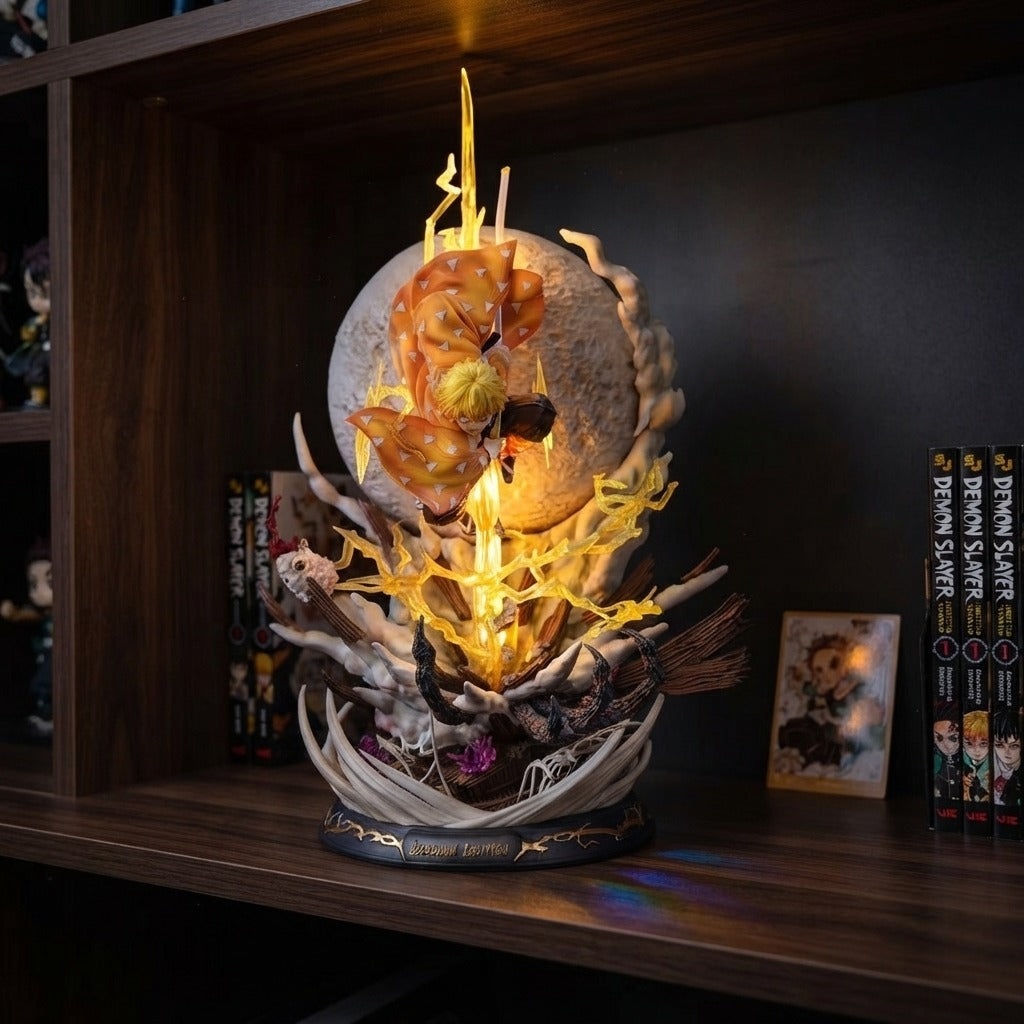
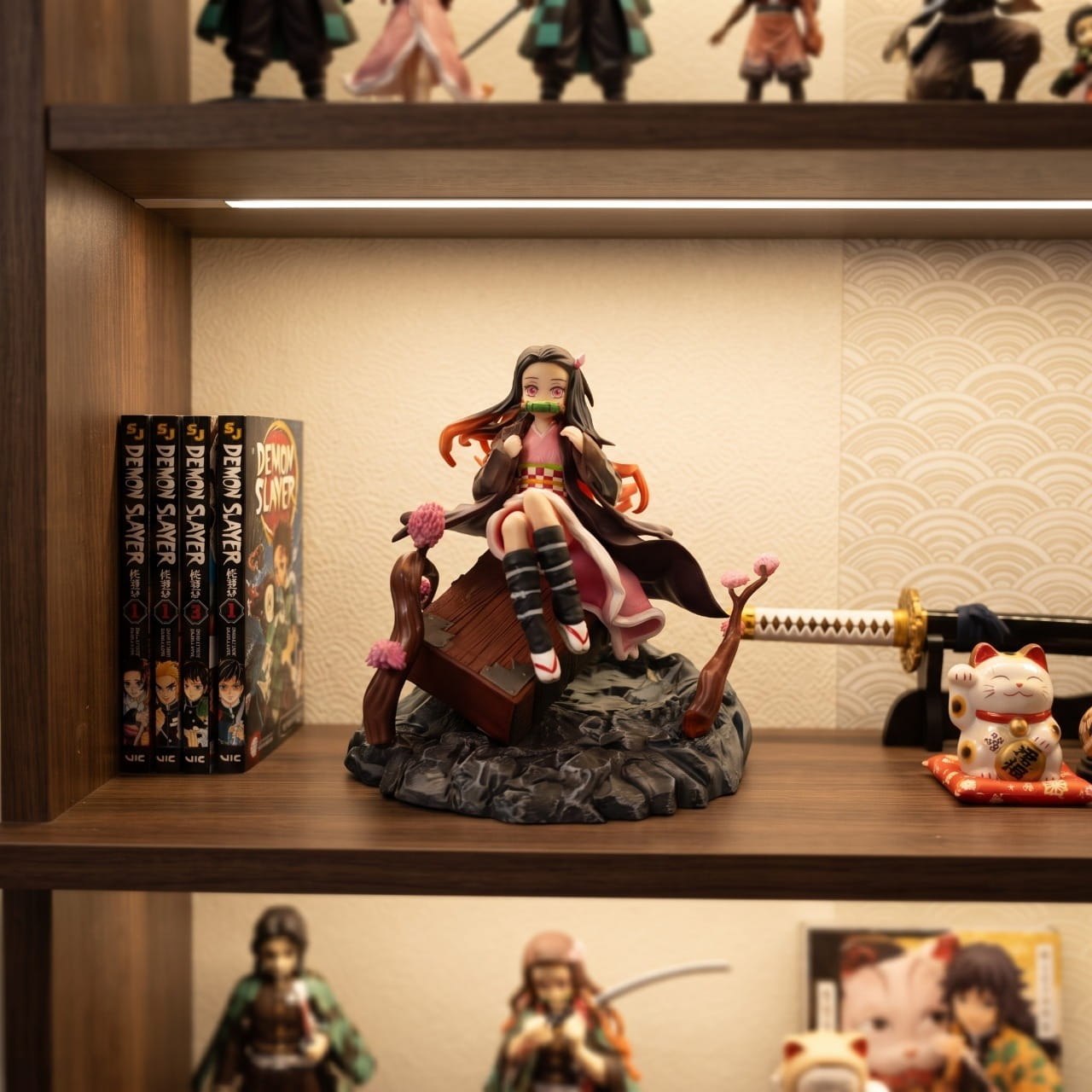
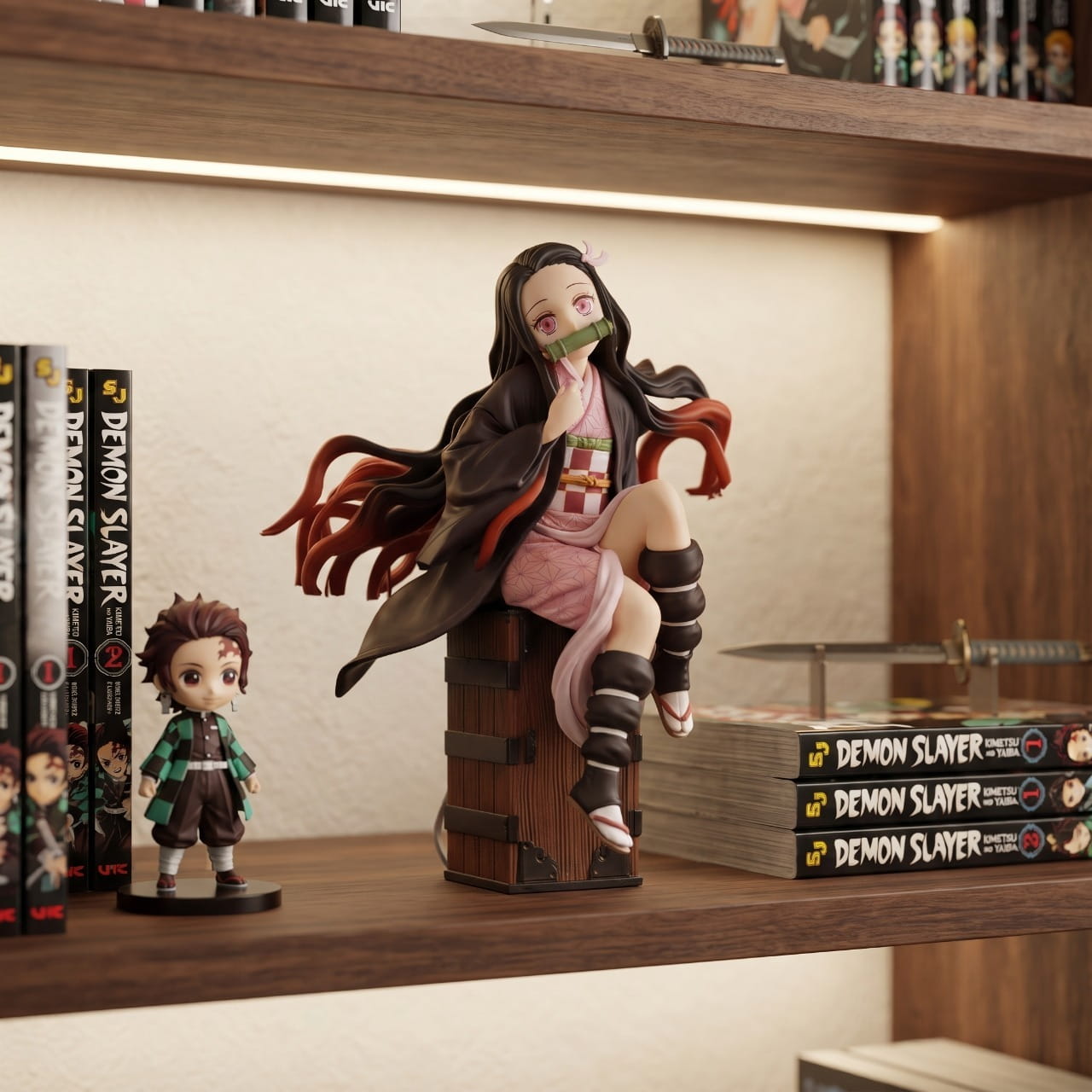
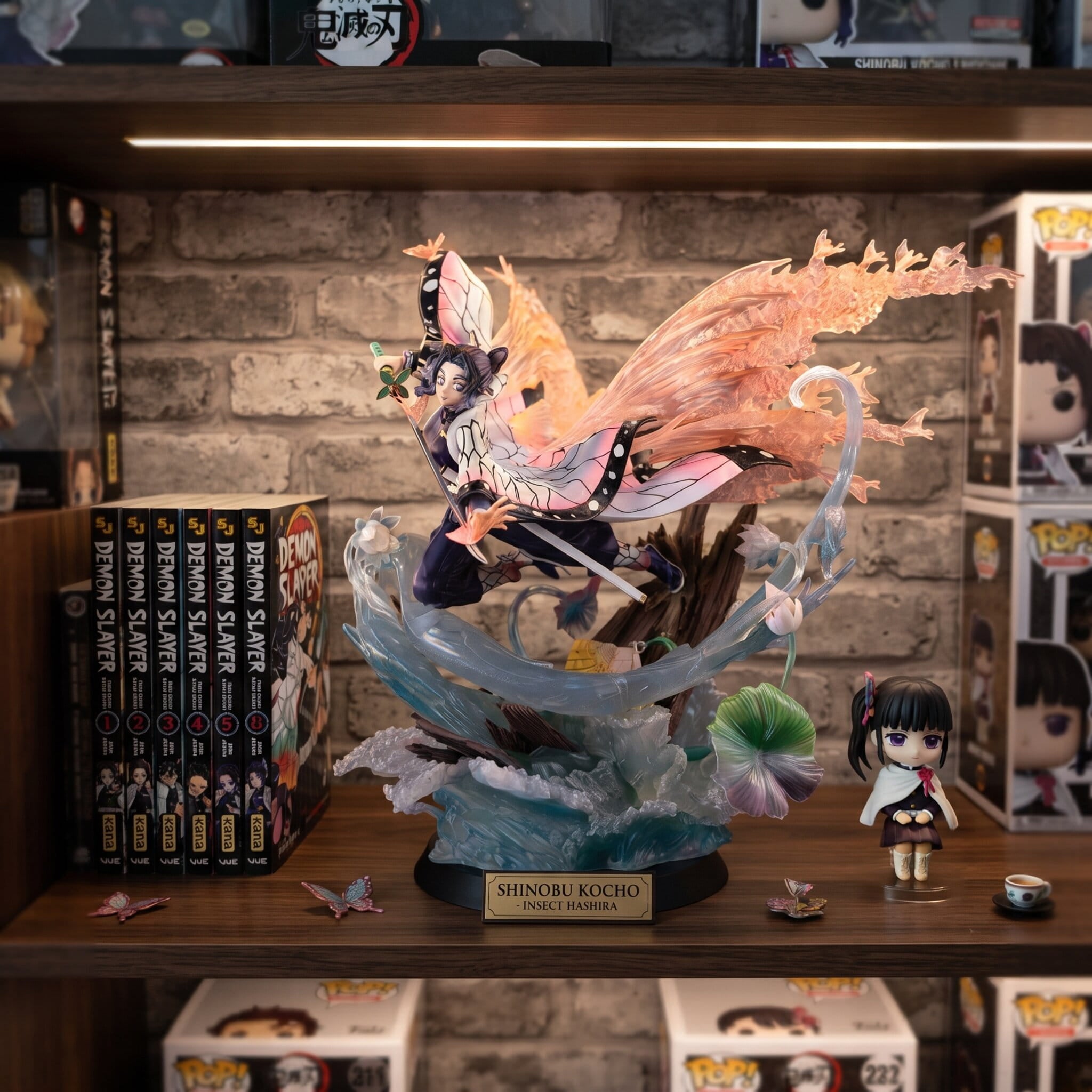
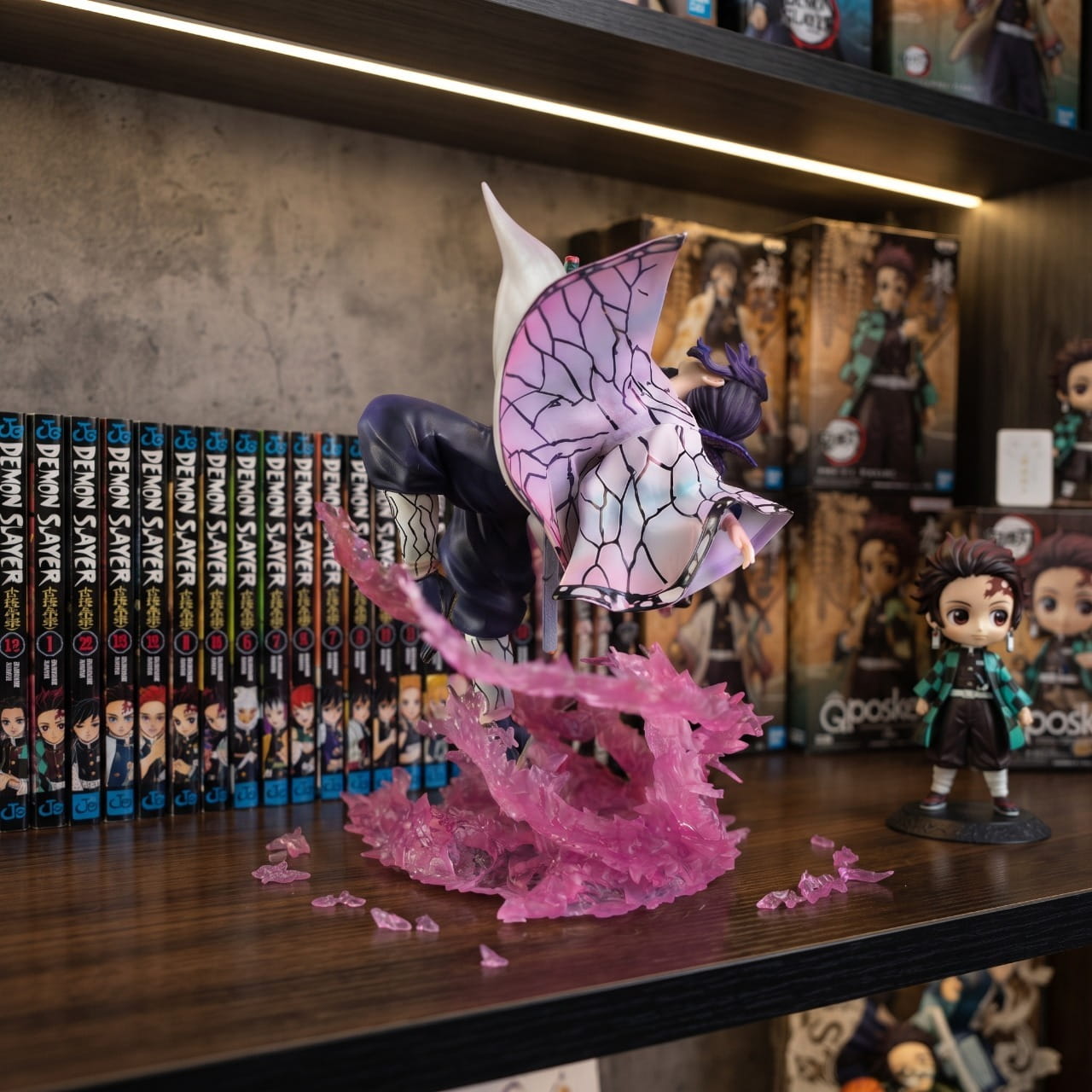
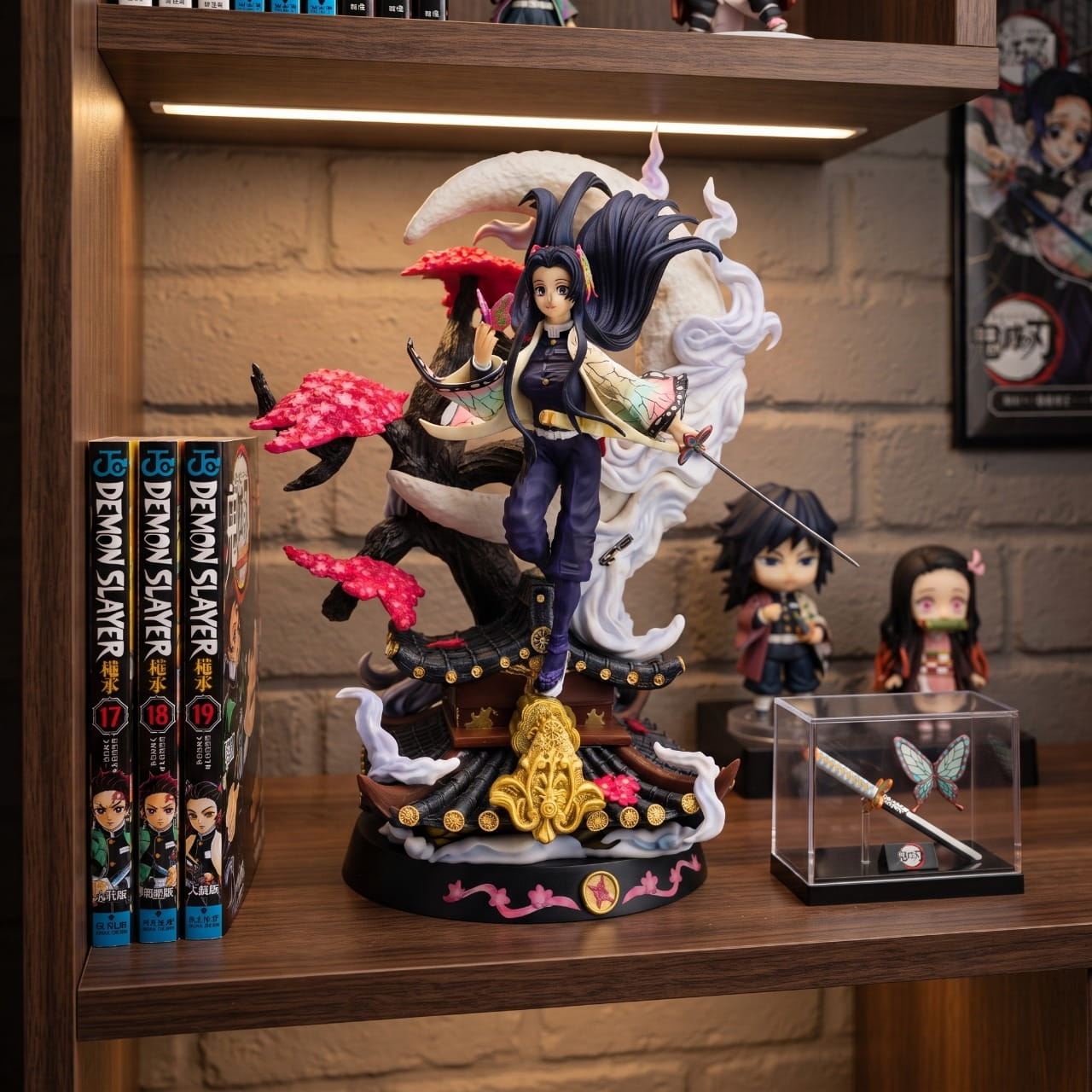
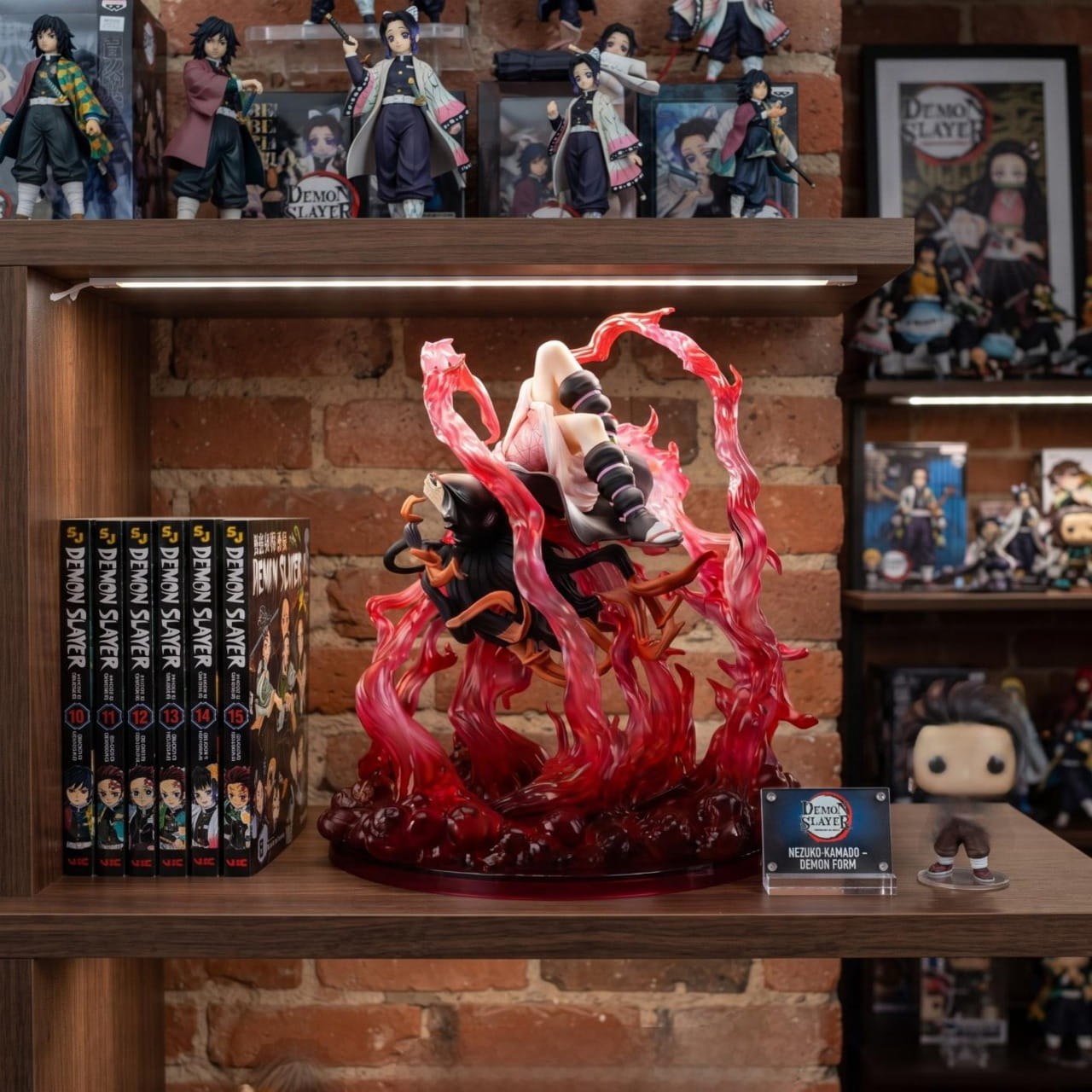
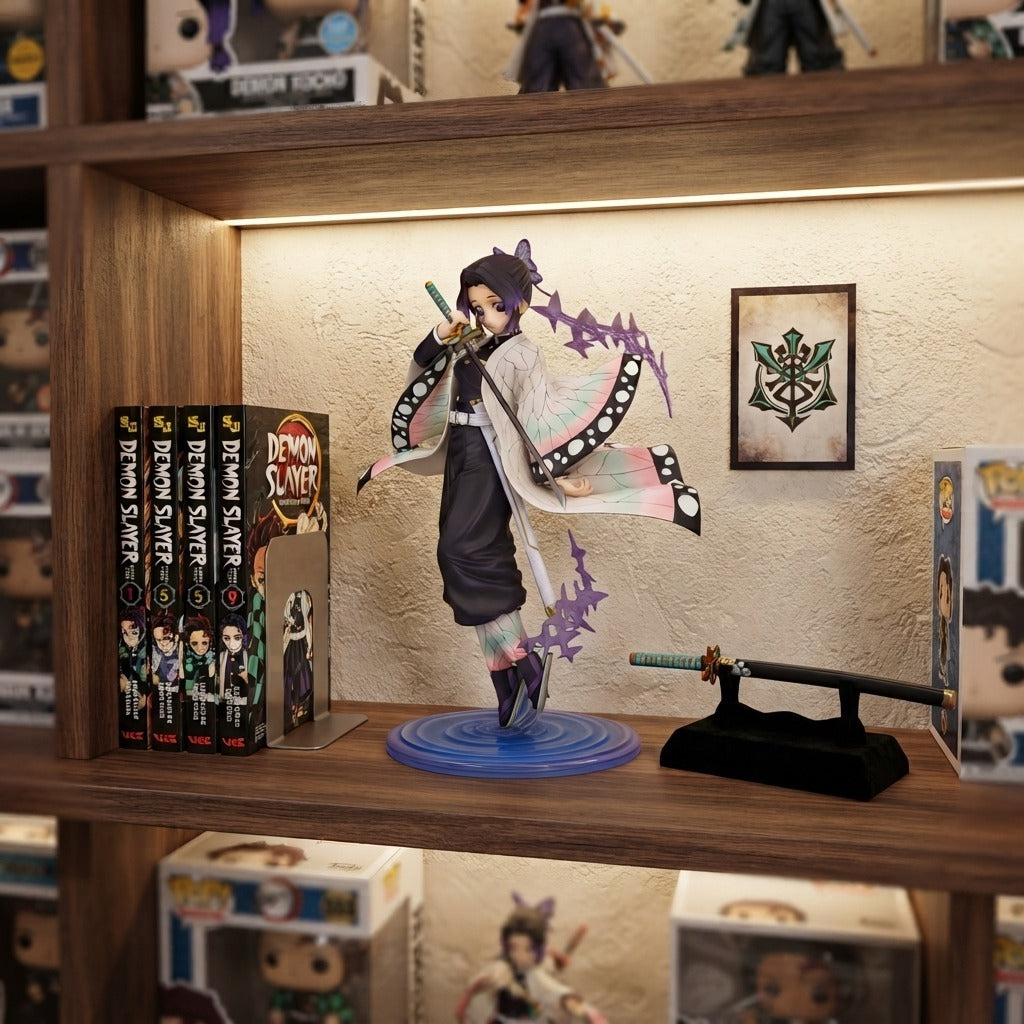
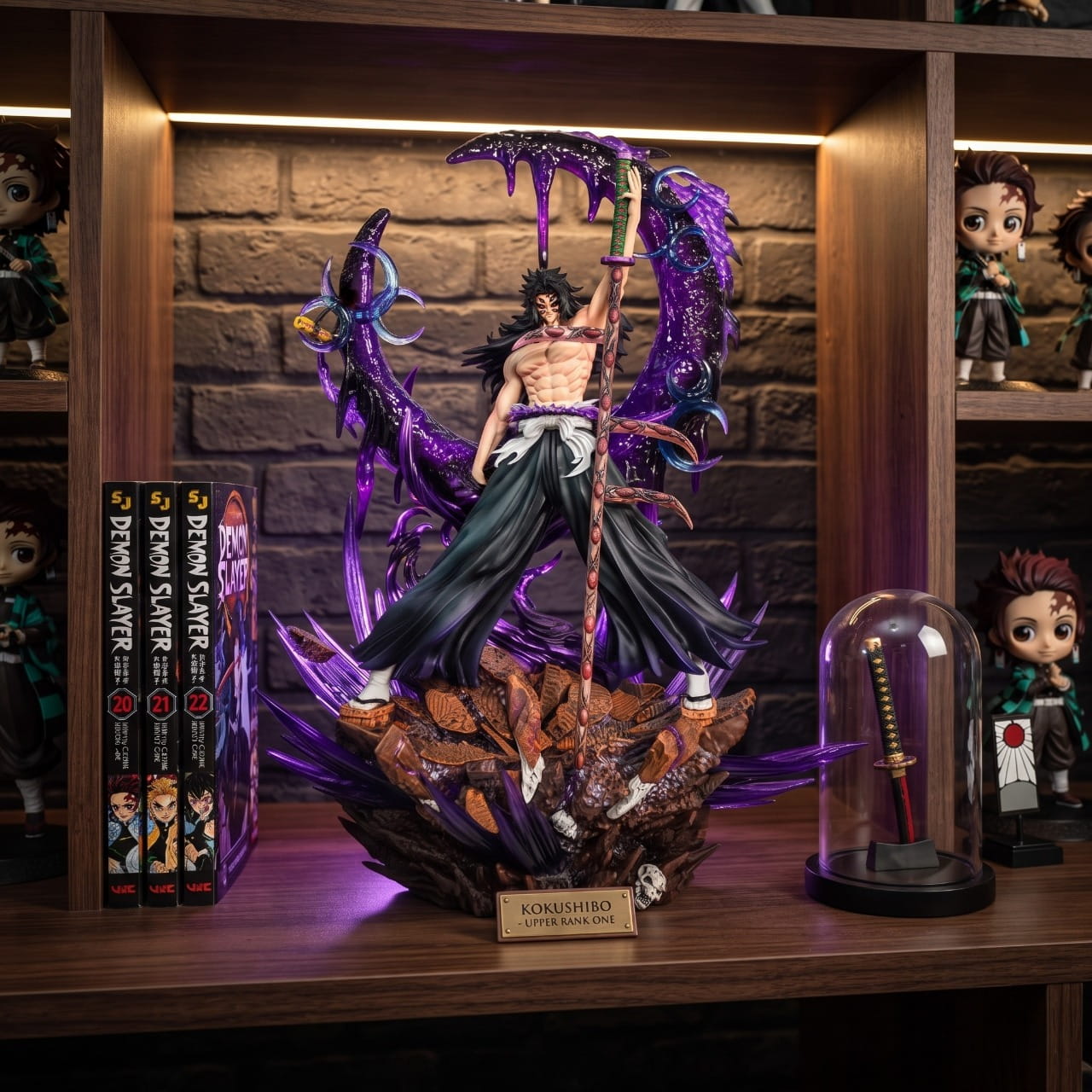
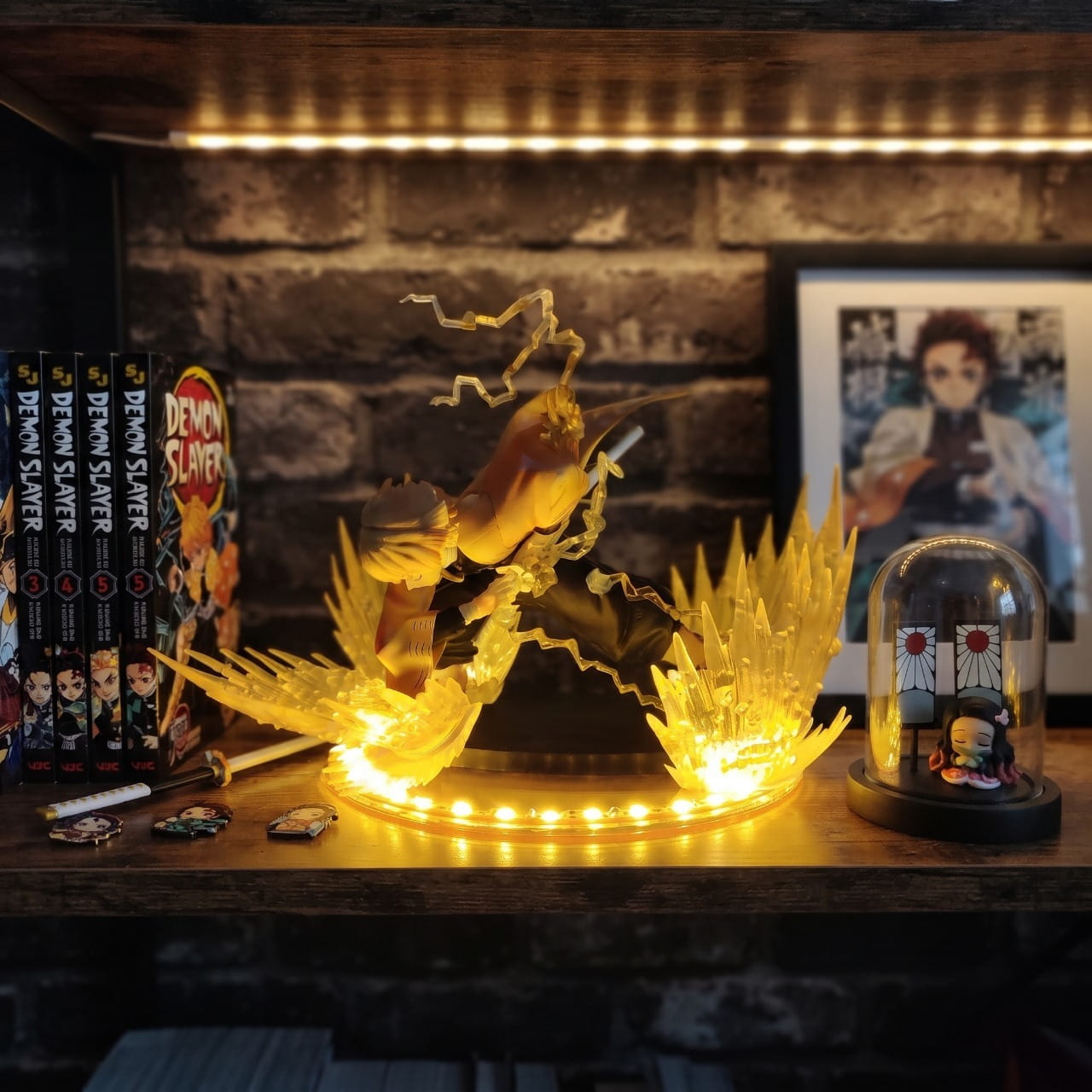
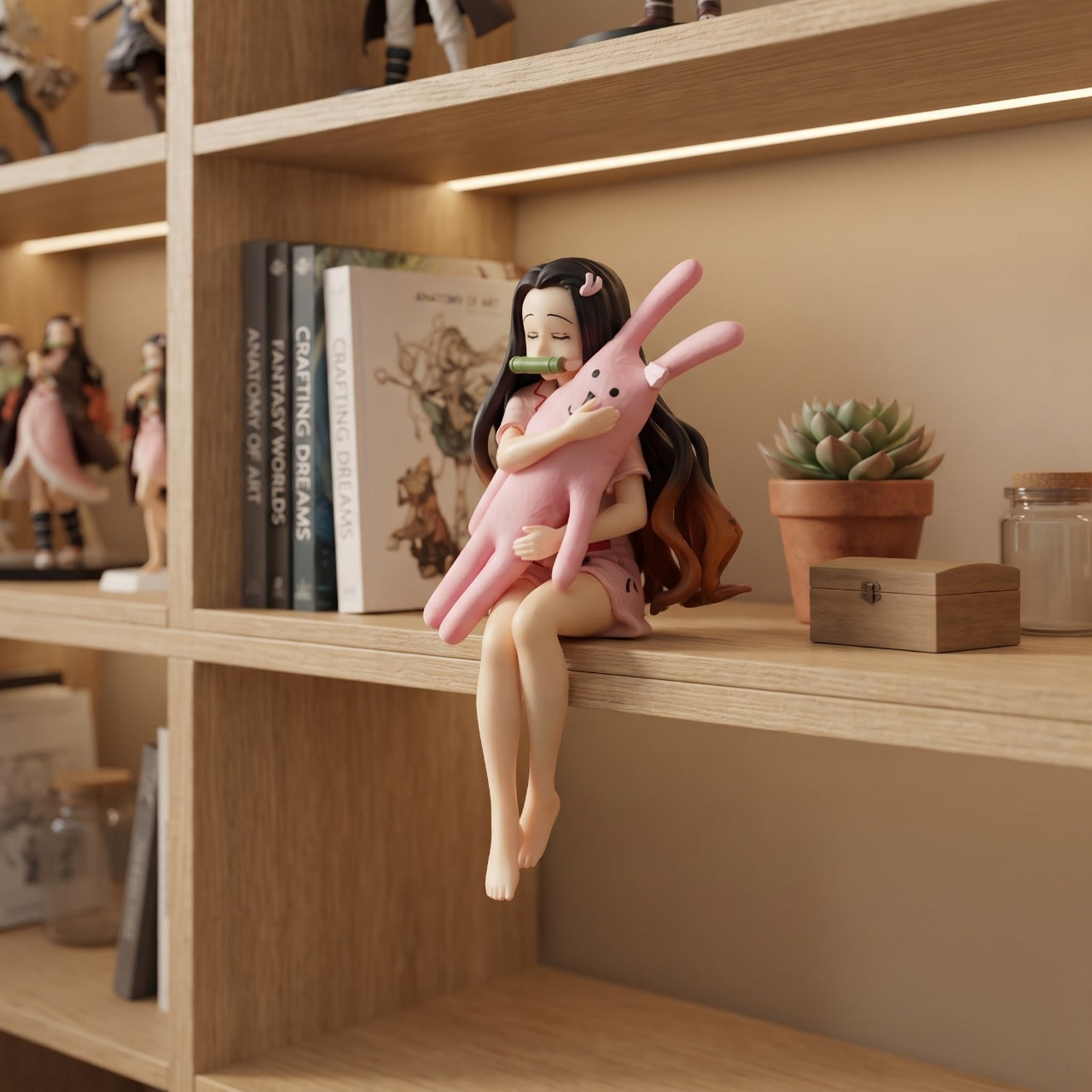
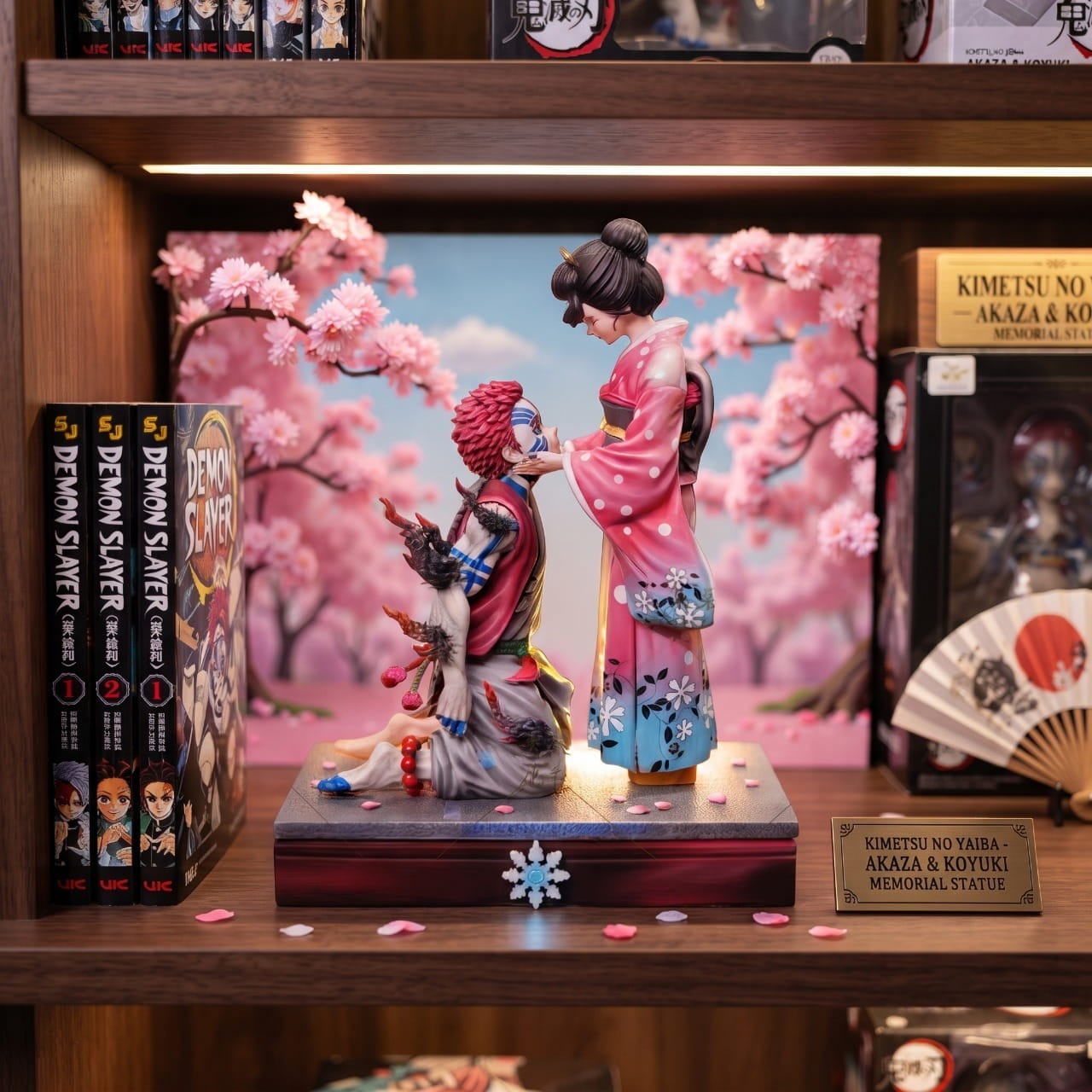
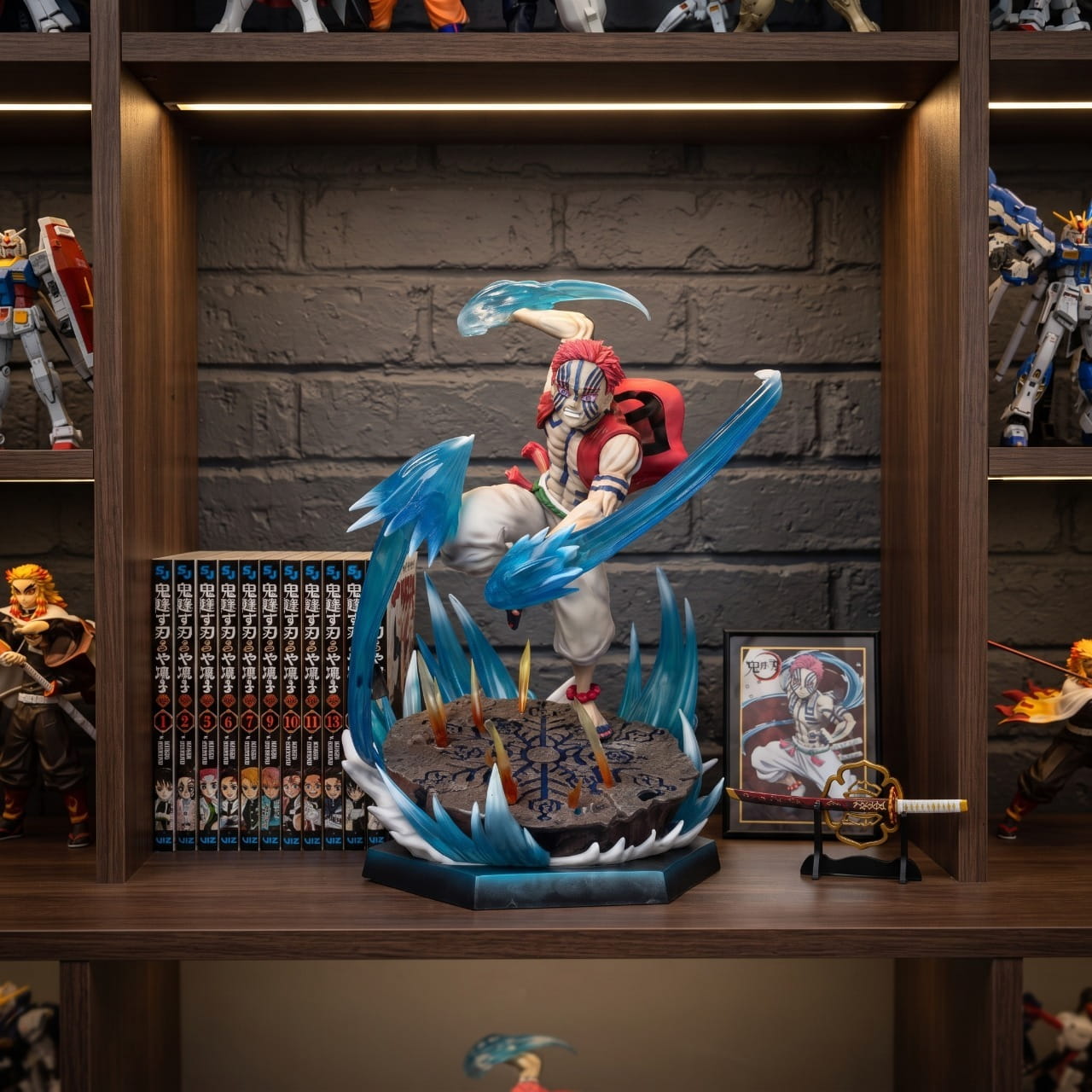
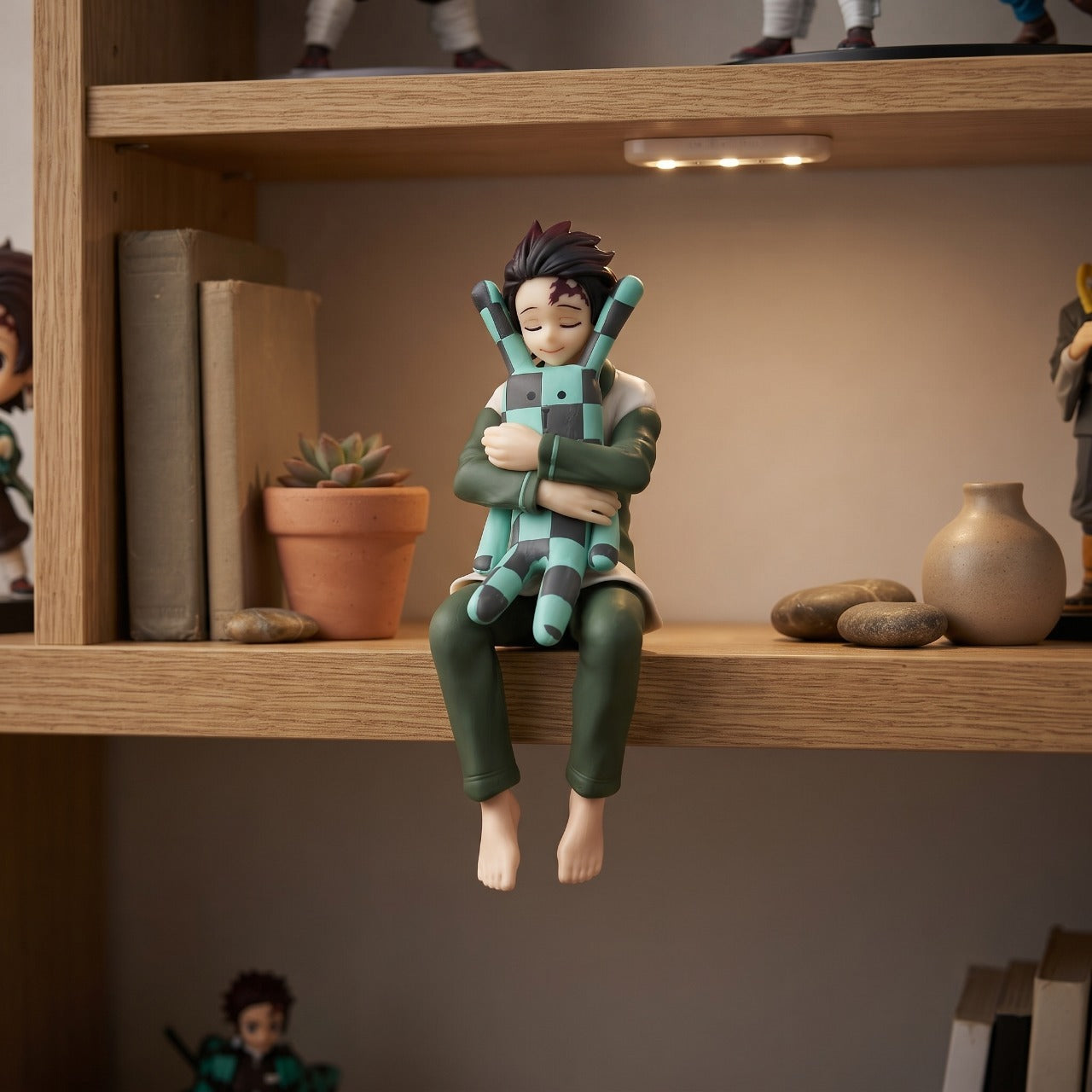
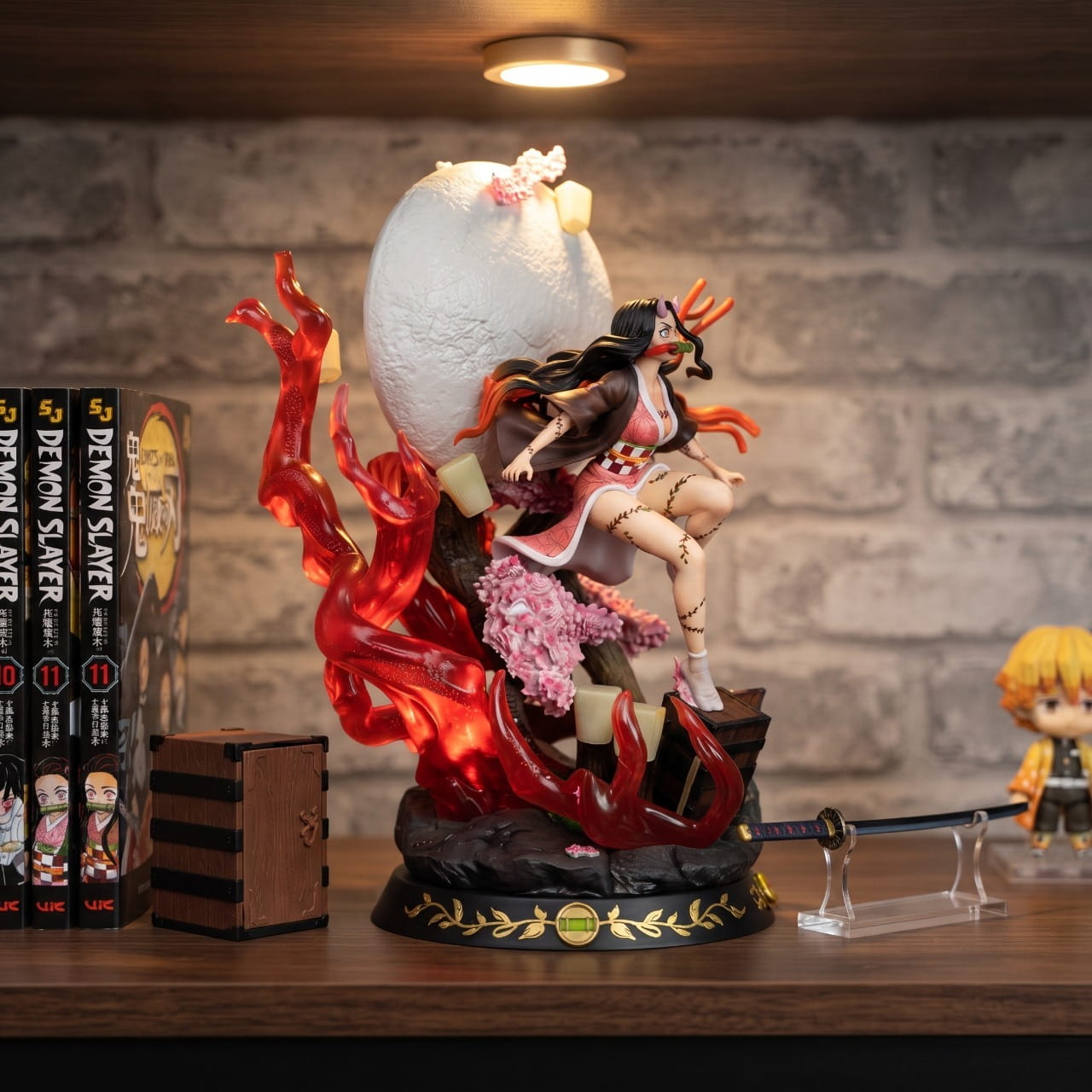
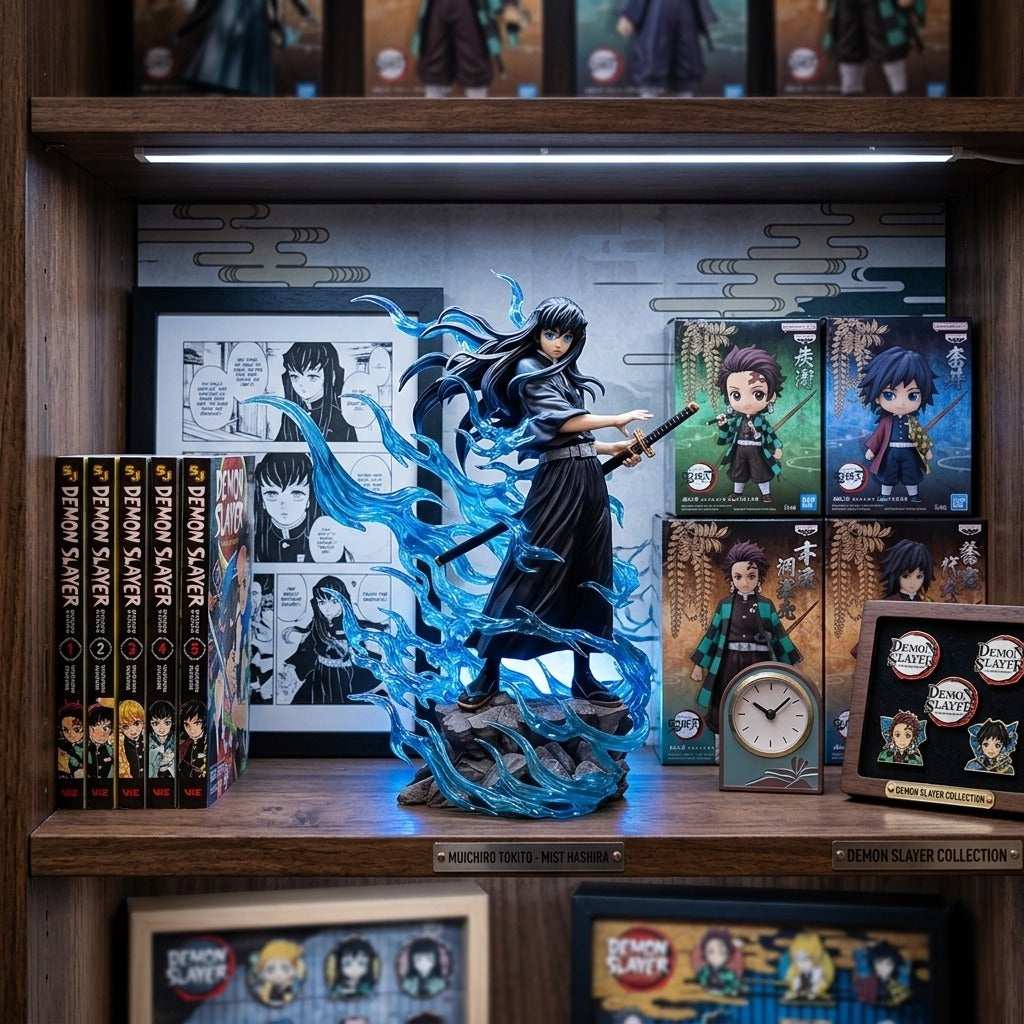

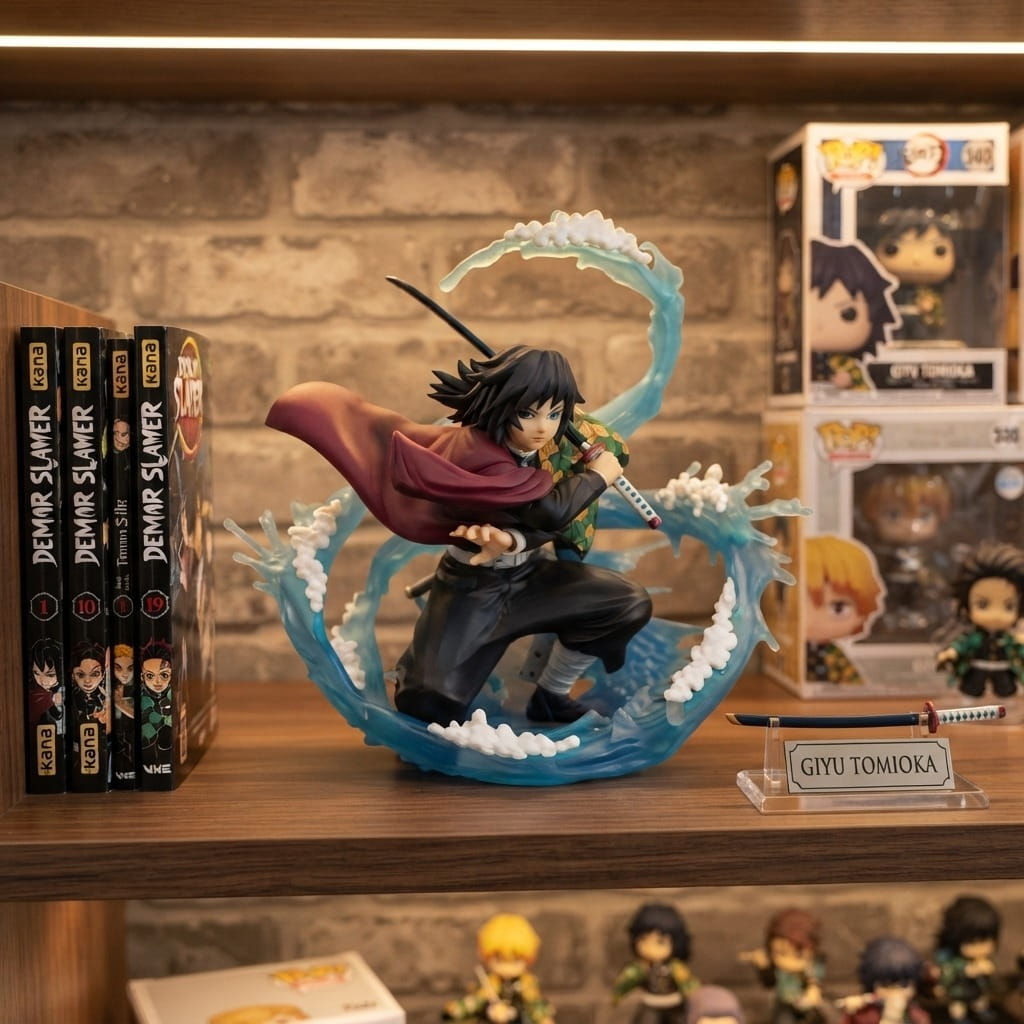
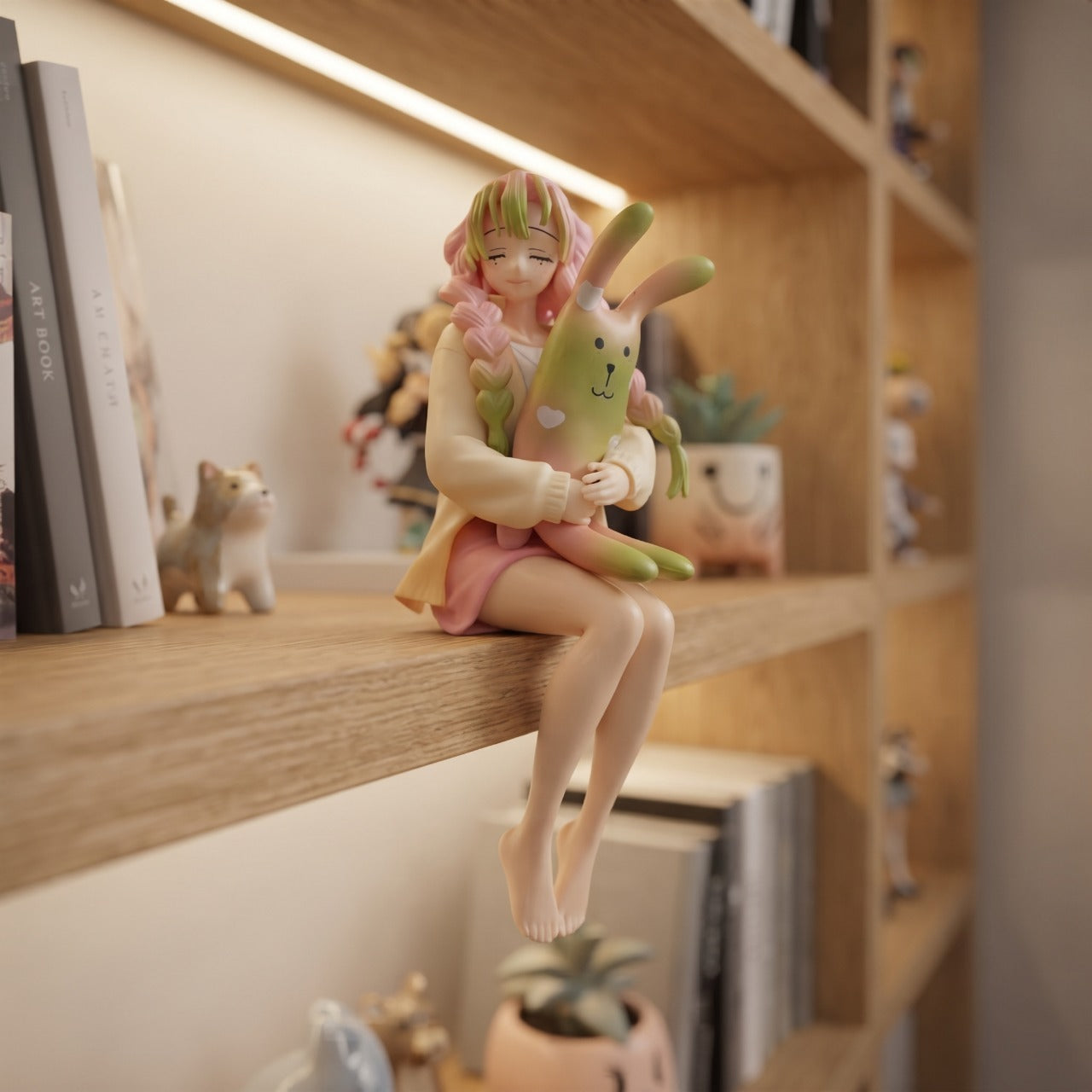
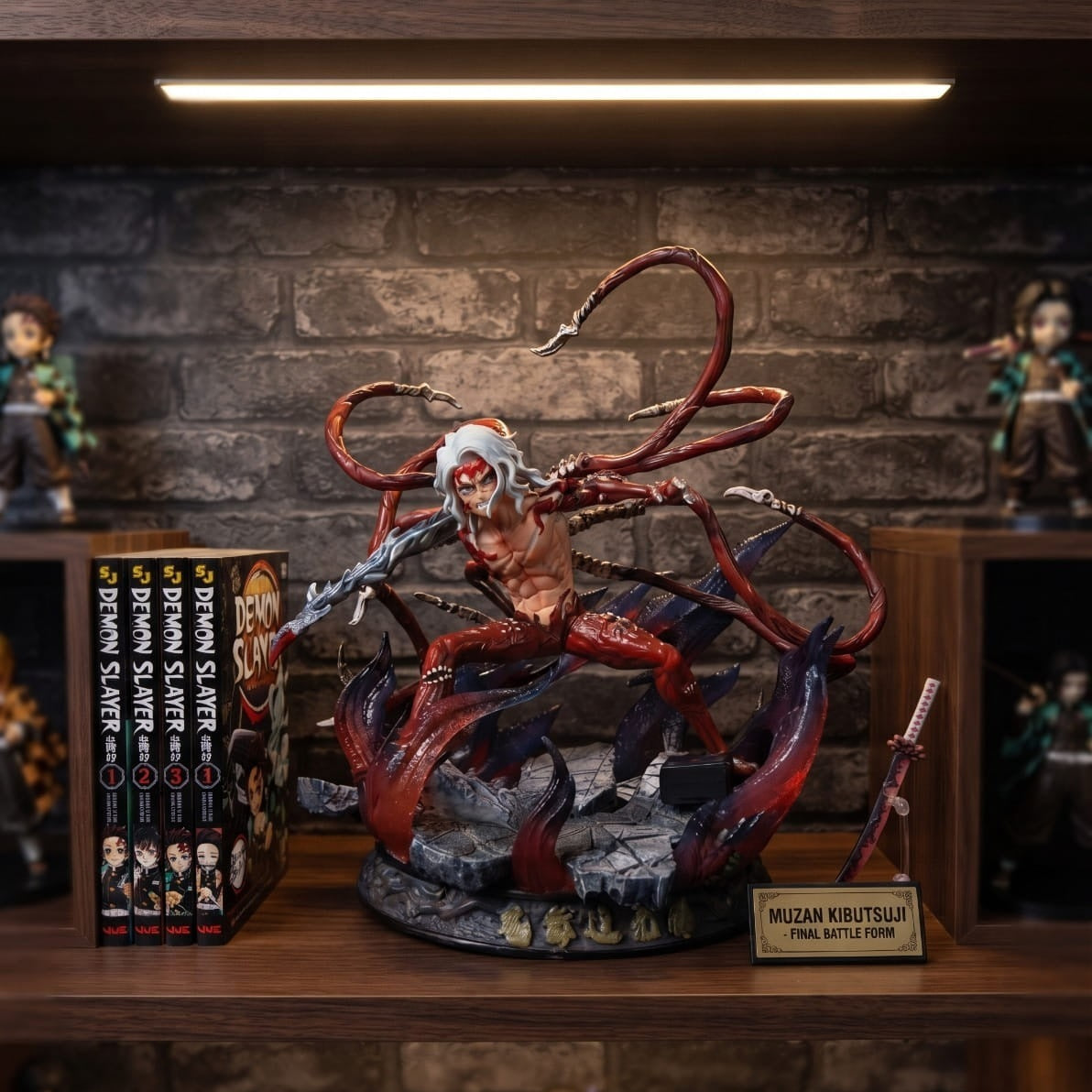
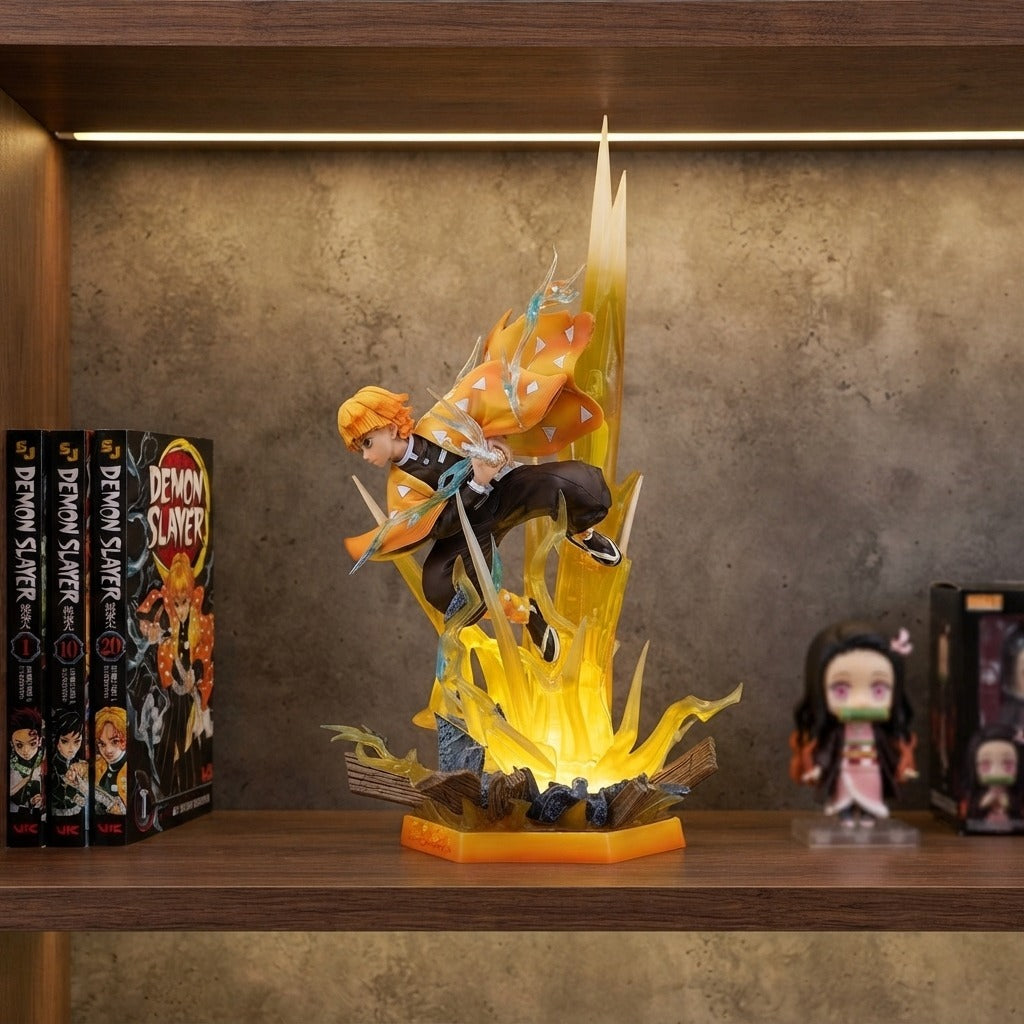
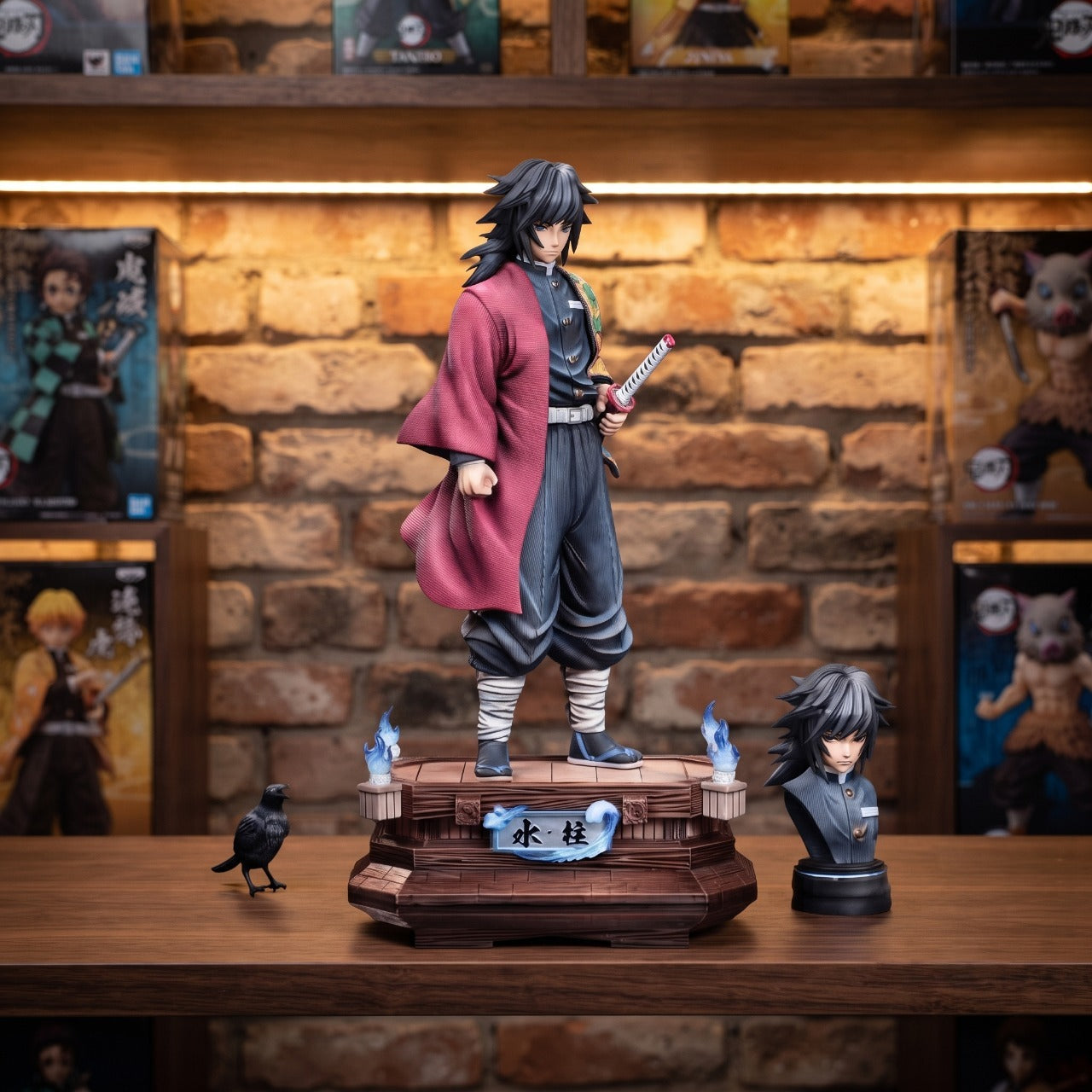

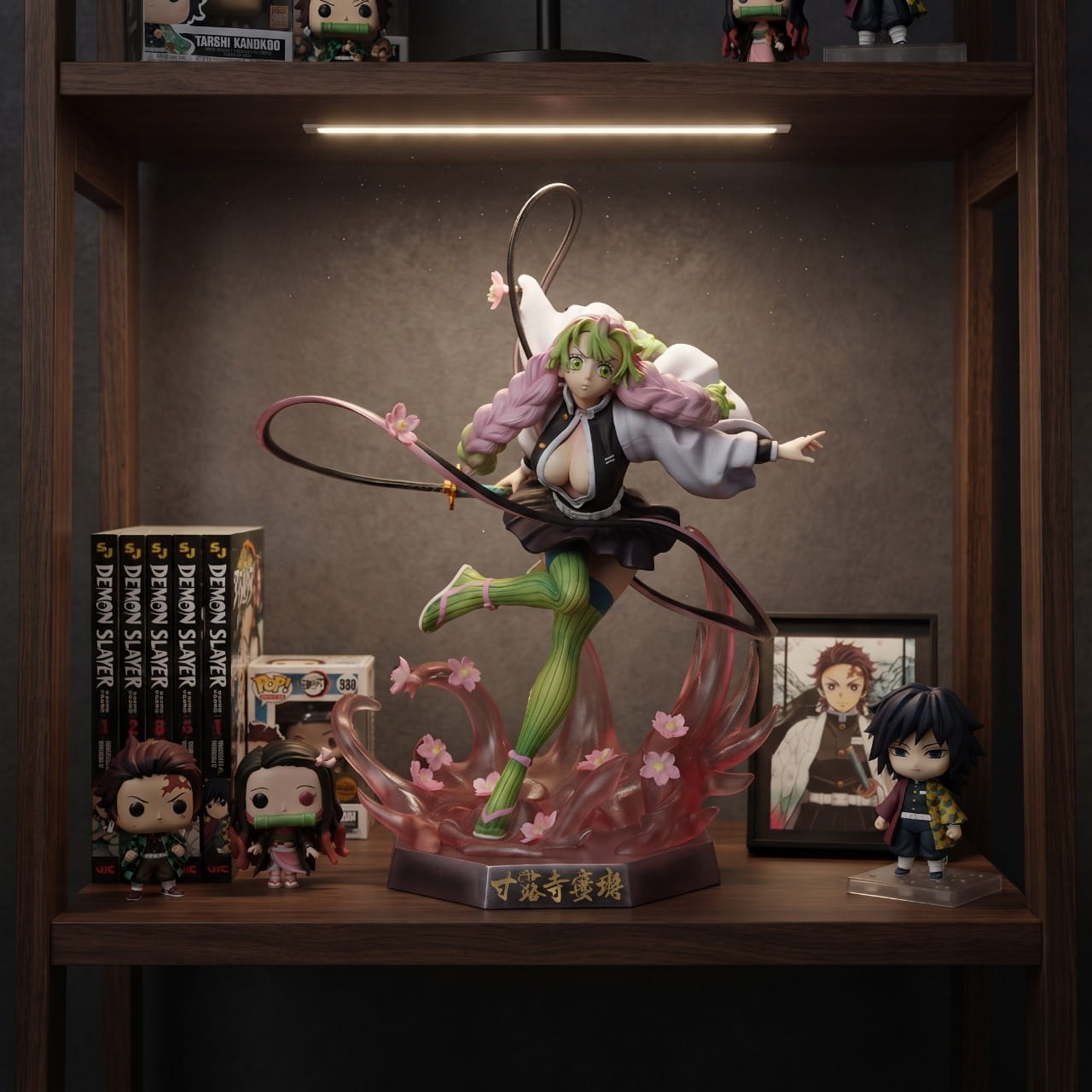
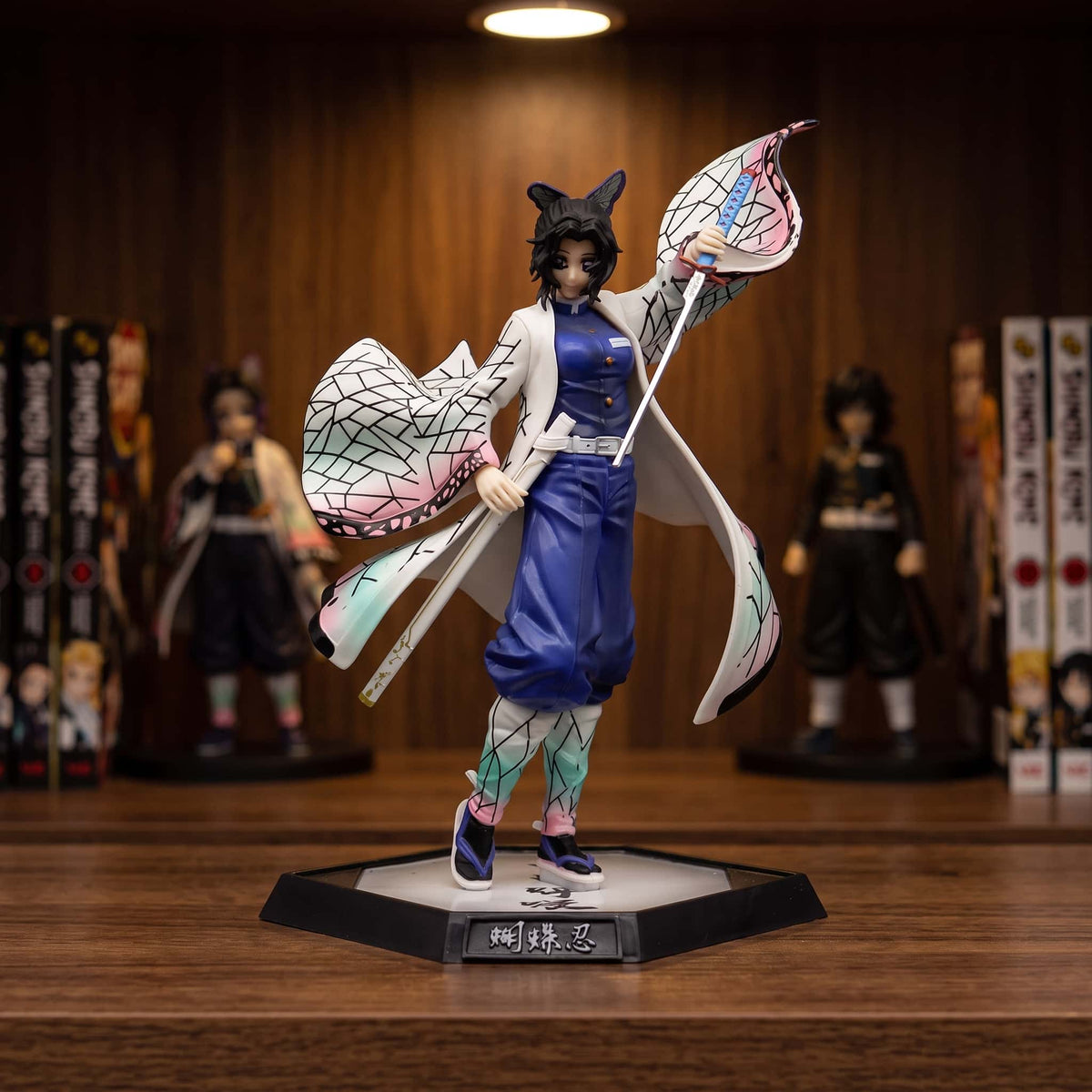
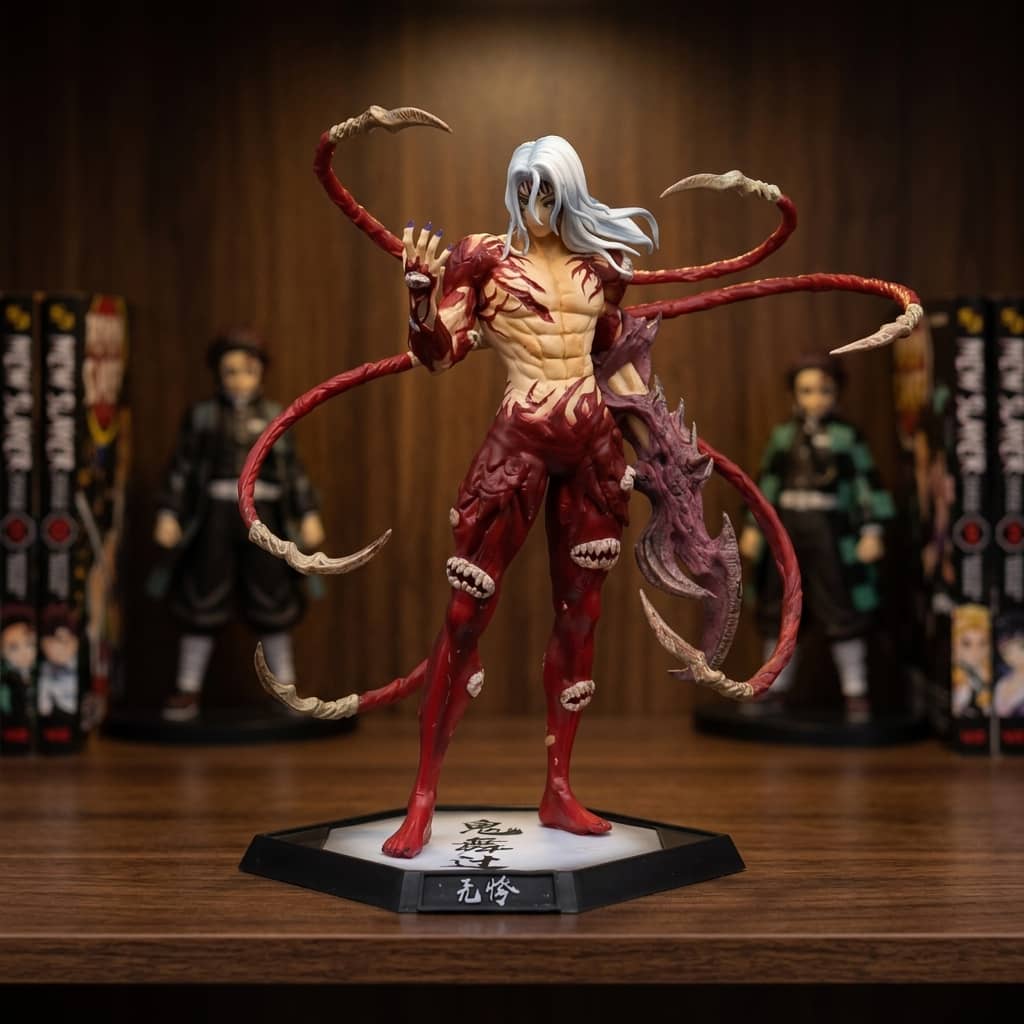
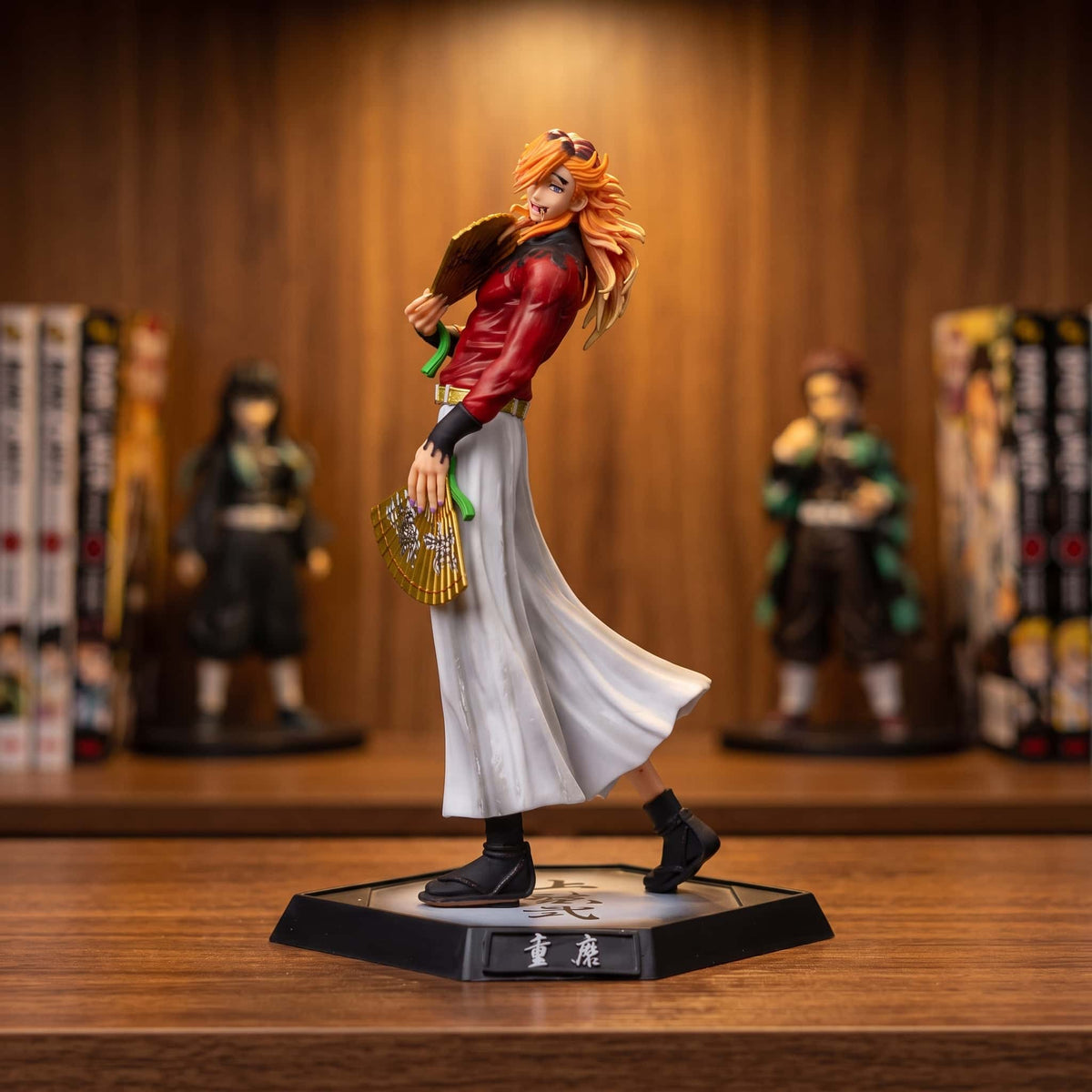
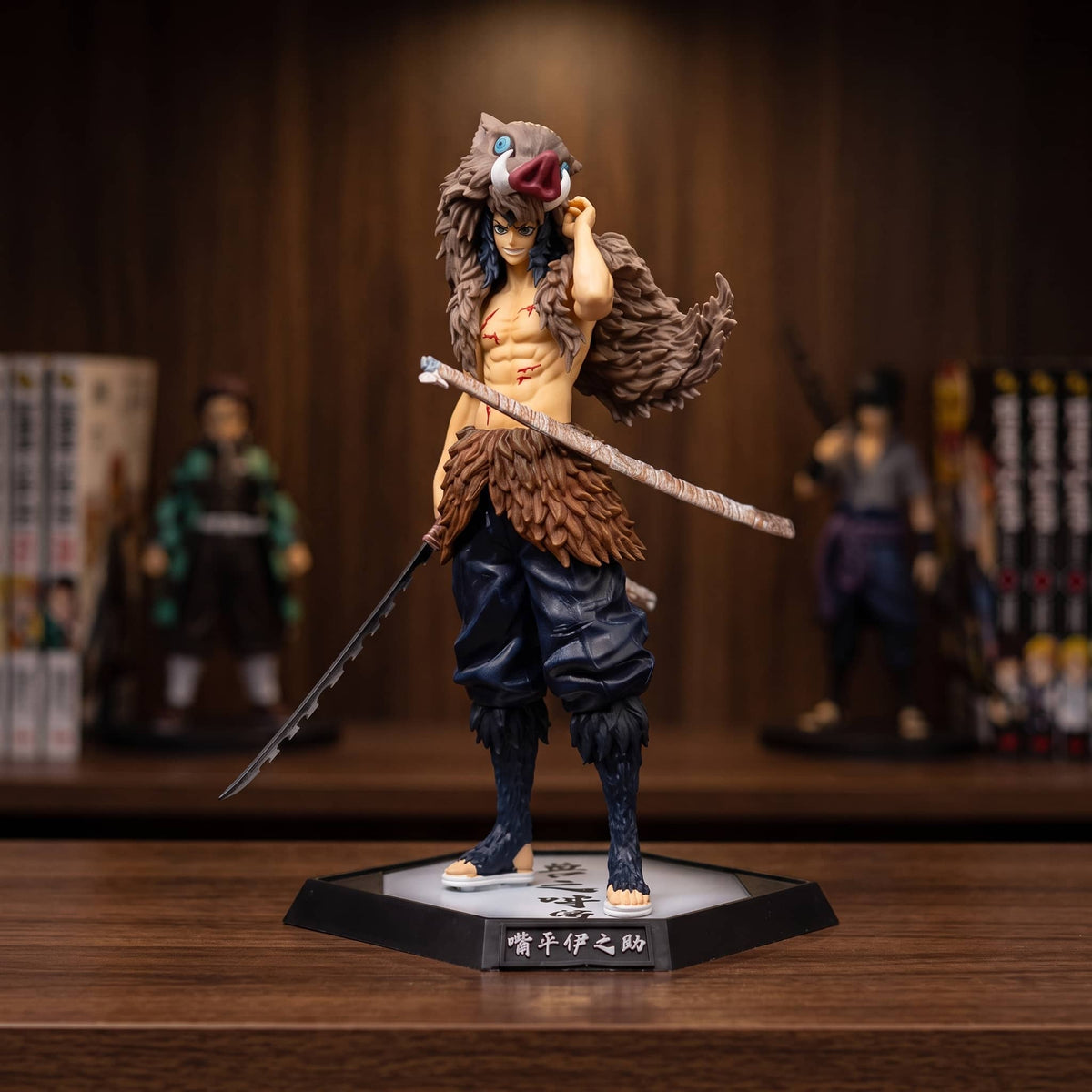
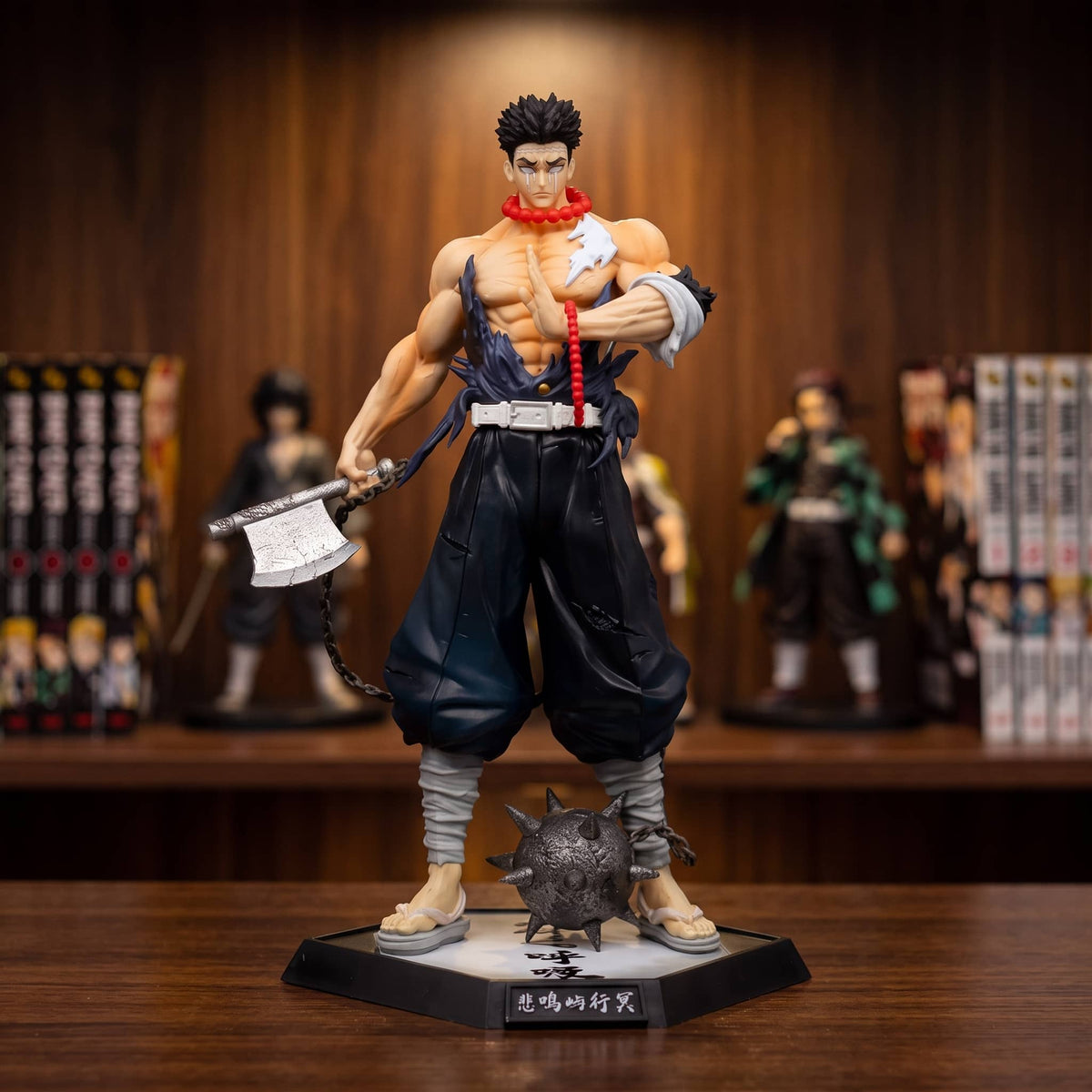
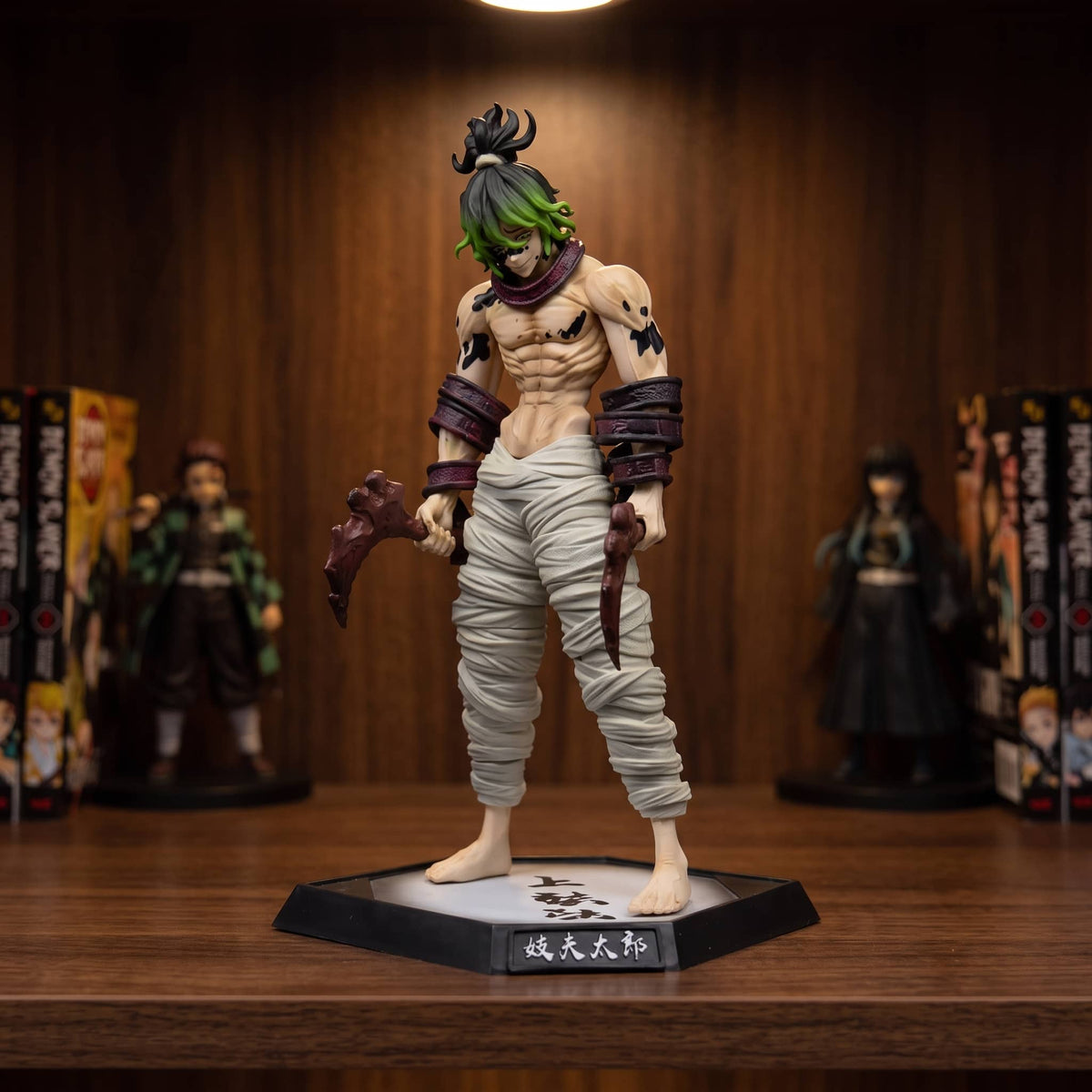
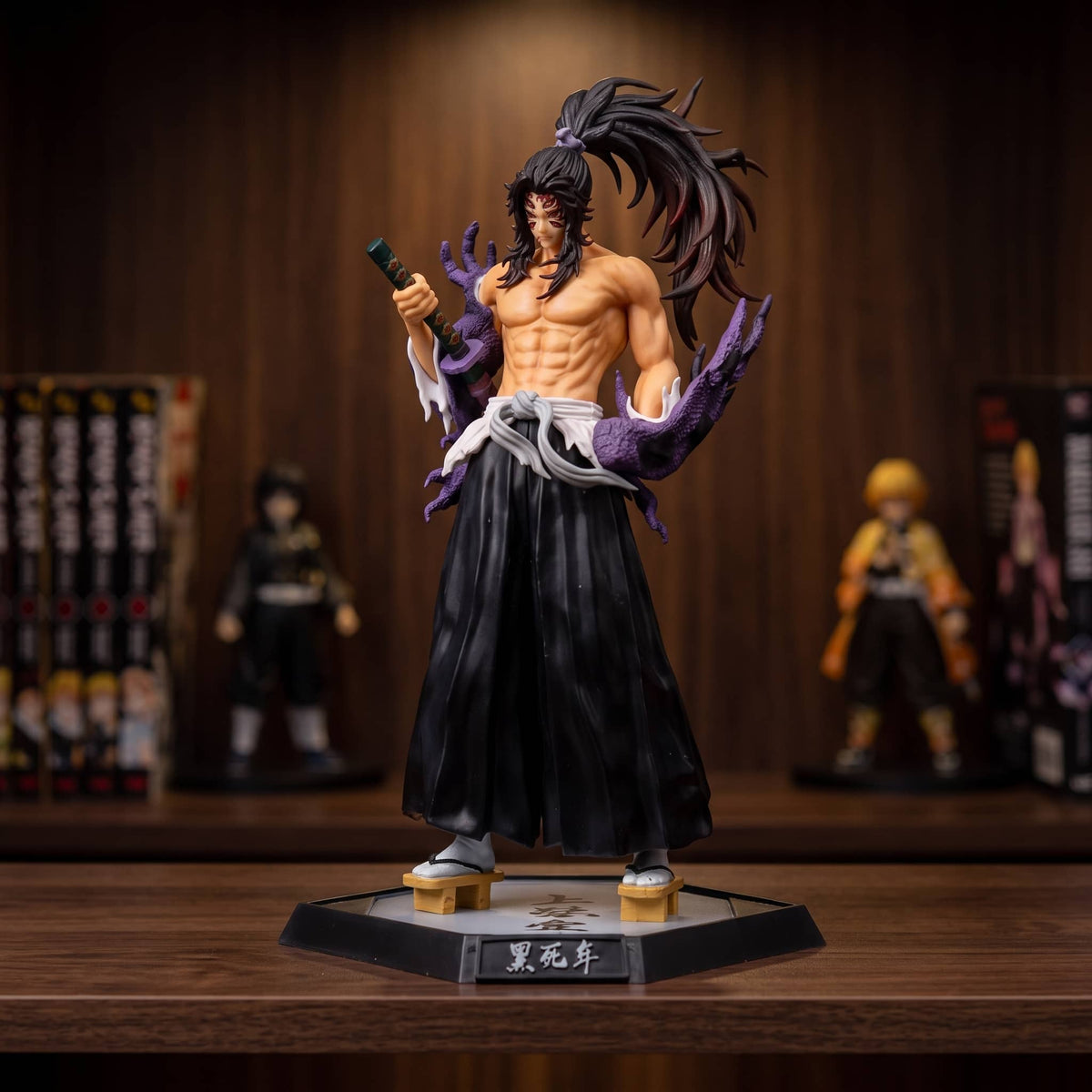
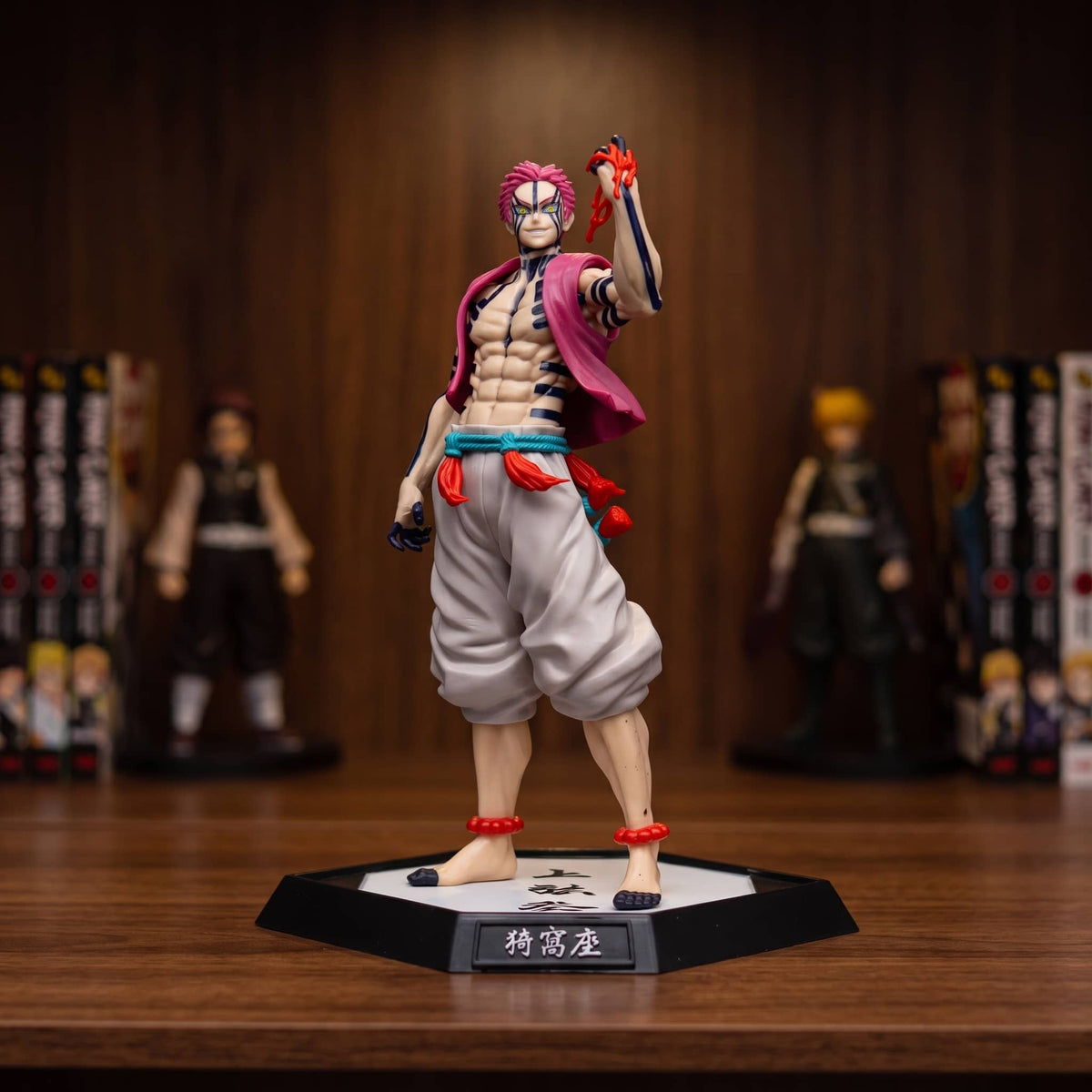
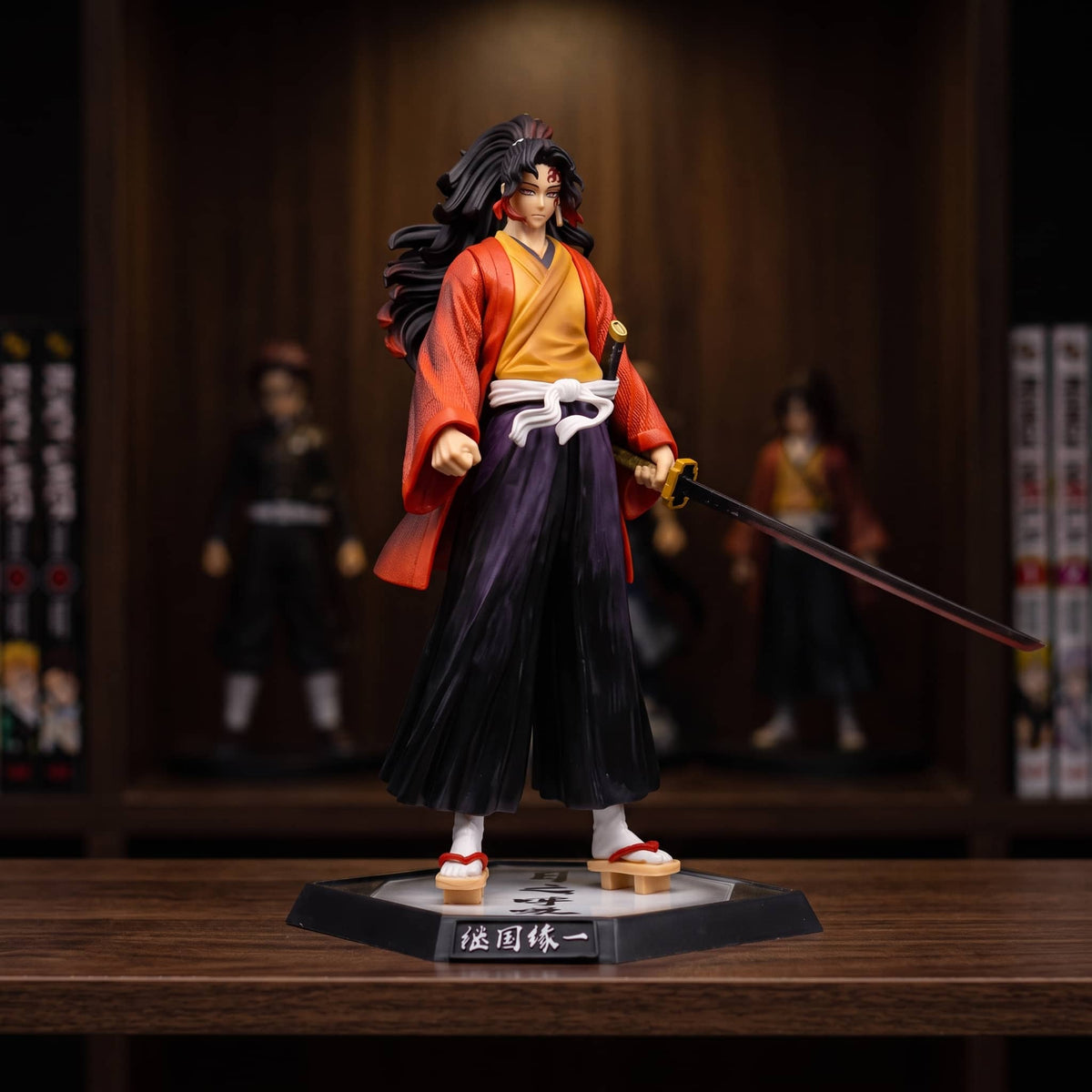
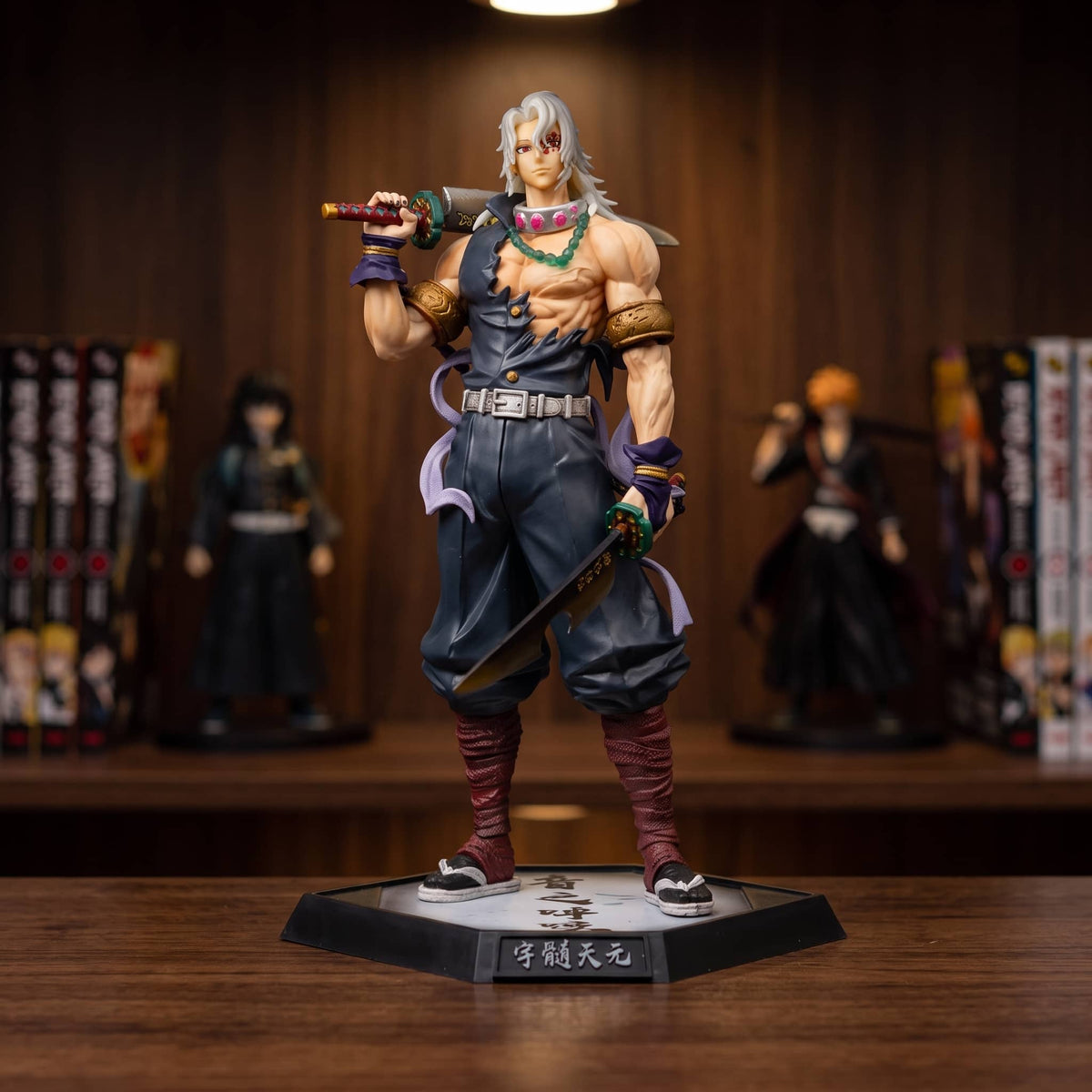
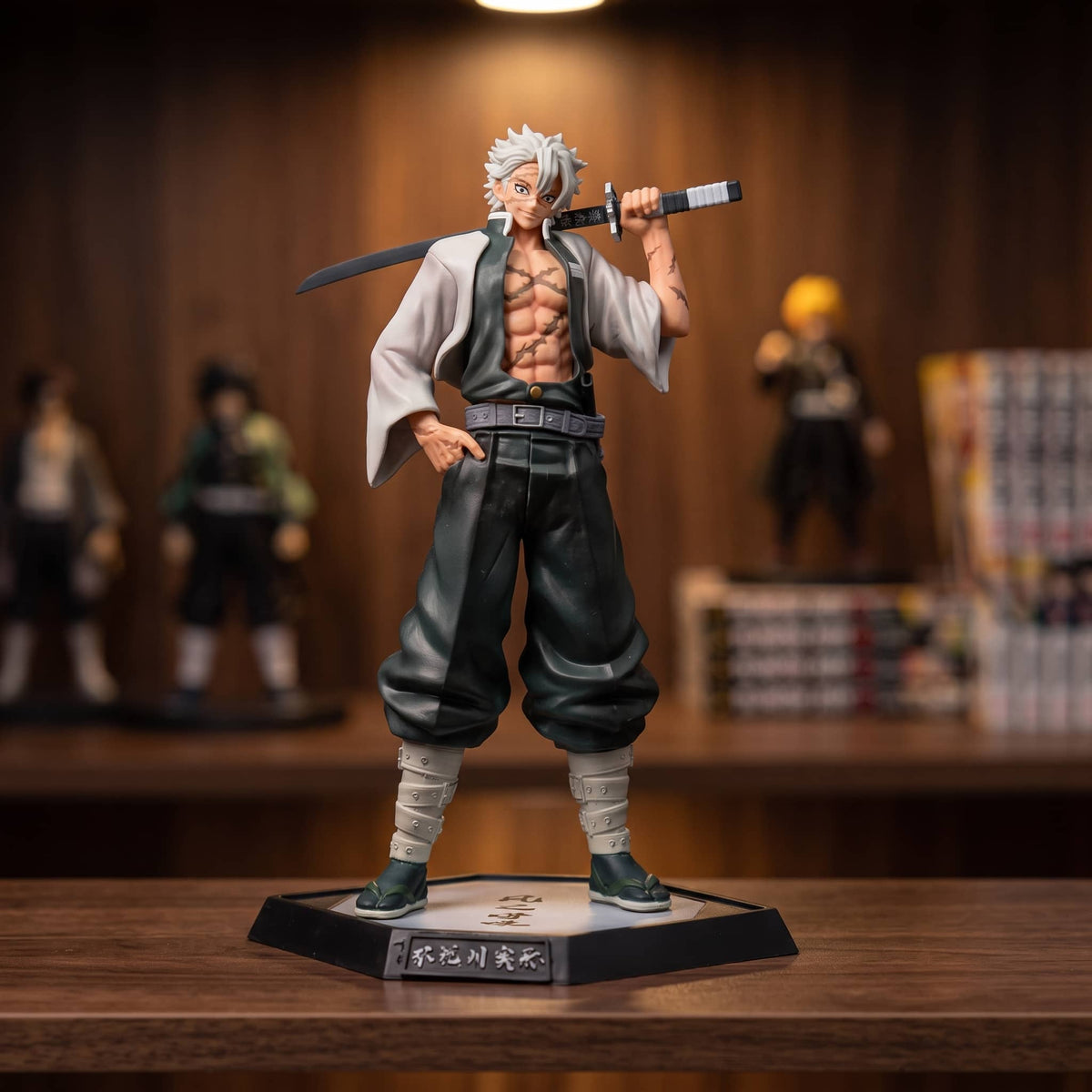
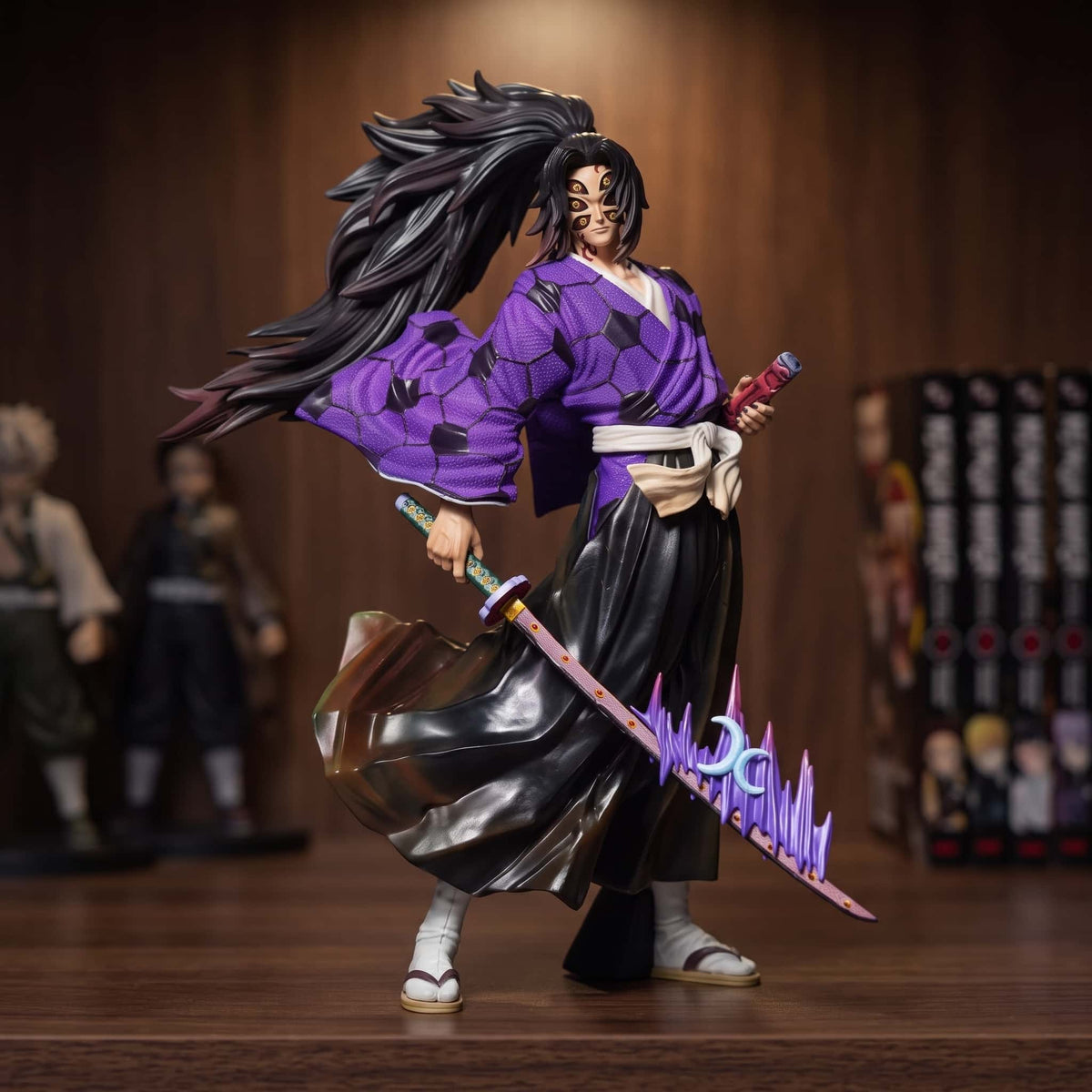
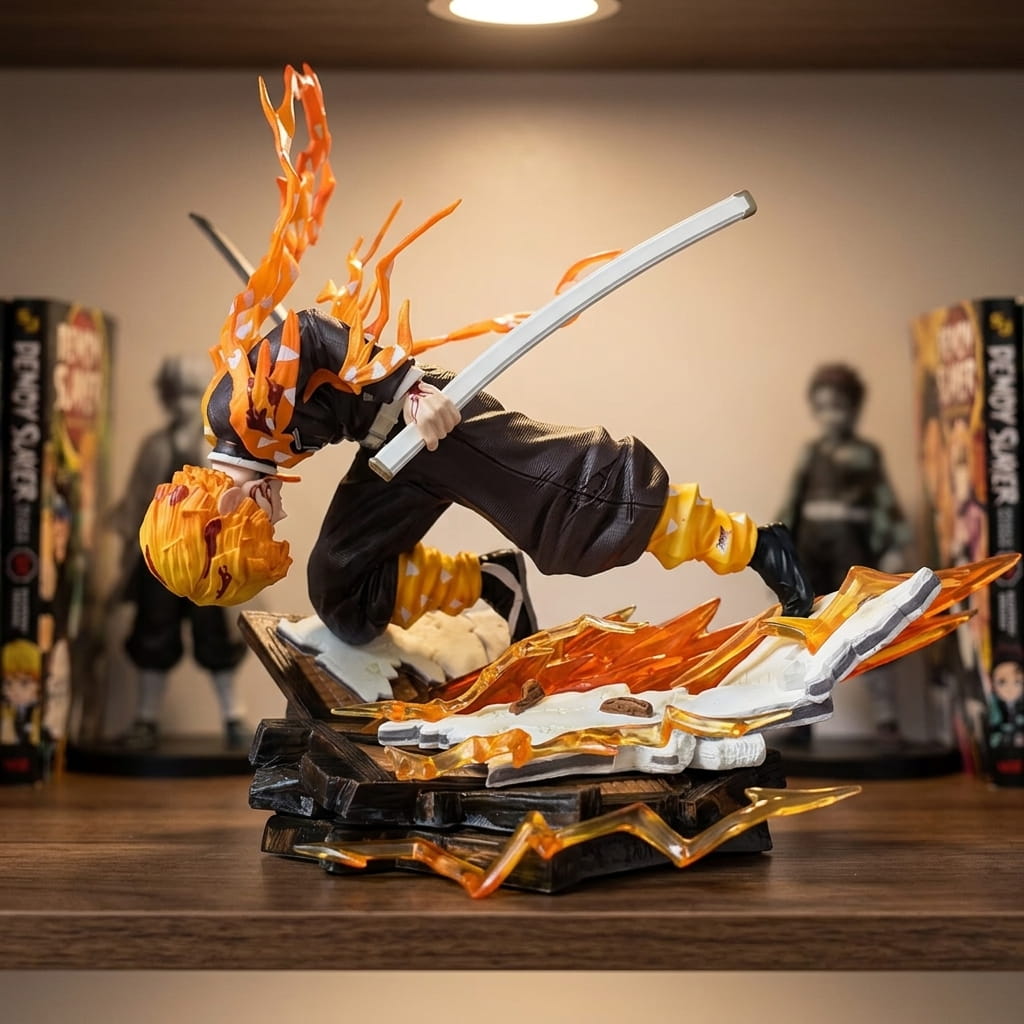
Demon Slayer Figures — learn more
This department brings together 44 Demon Slayer figures, ranging from 14 to 51 cm and from €18.90 to €374.90. This is the department where you will find the most demons, and not just slayers.
The haori, a hallmark
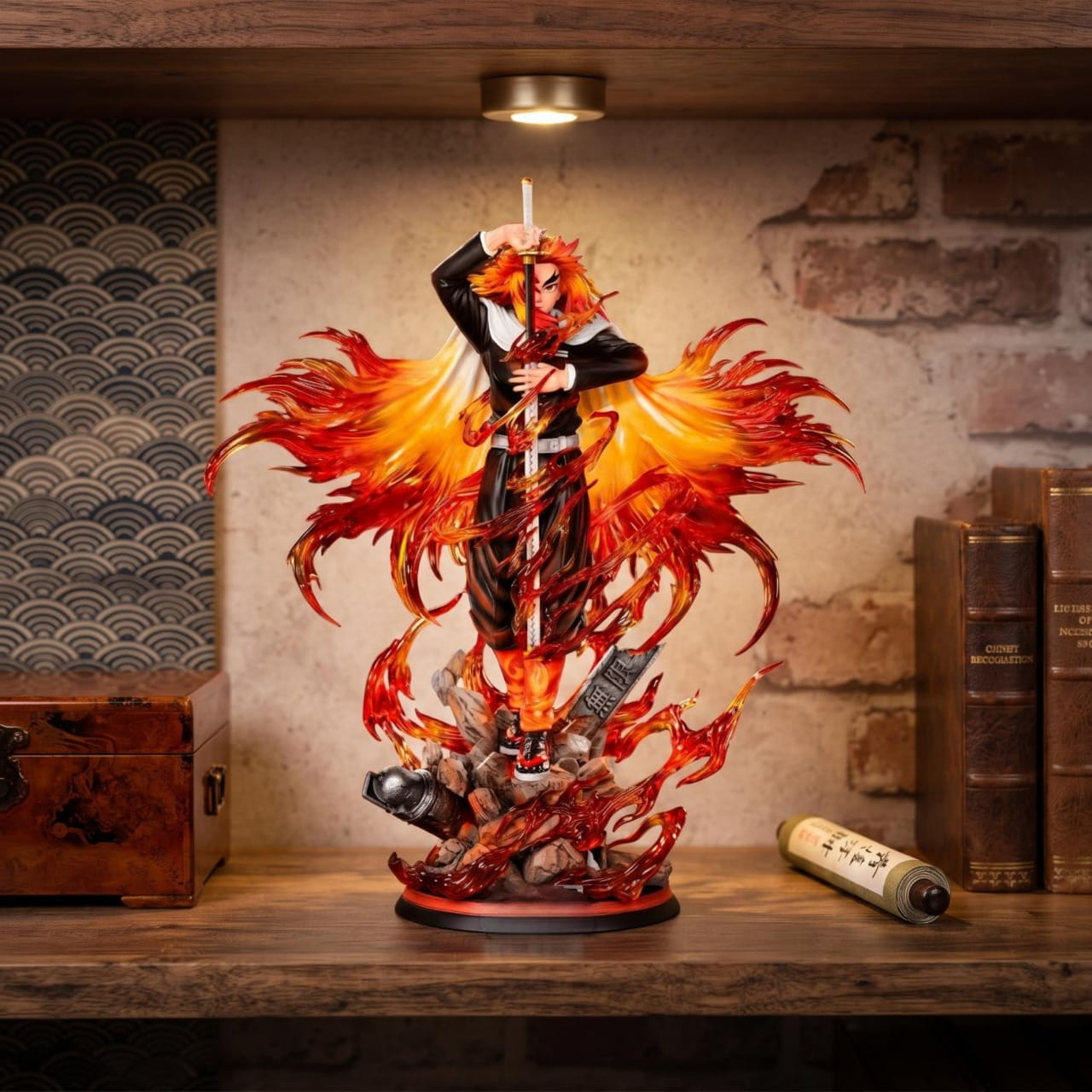
Each character in the series wears a textile pattern that identifies them better than their face: Tanjiro's green and black checkerboard, Nezuko's pink asanoha-patterned kimono, Rengoku's flames, Shinobu's butterflies.
It is a gift for the sculptor and a requirement for the painter: these patterns must follow the folds of the fabric without distorting. A Demon Slayer figure is judged first by its haori—a pattern that breaks at a fold betrays a flat-applied print.
Characters in the department
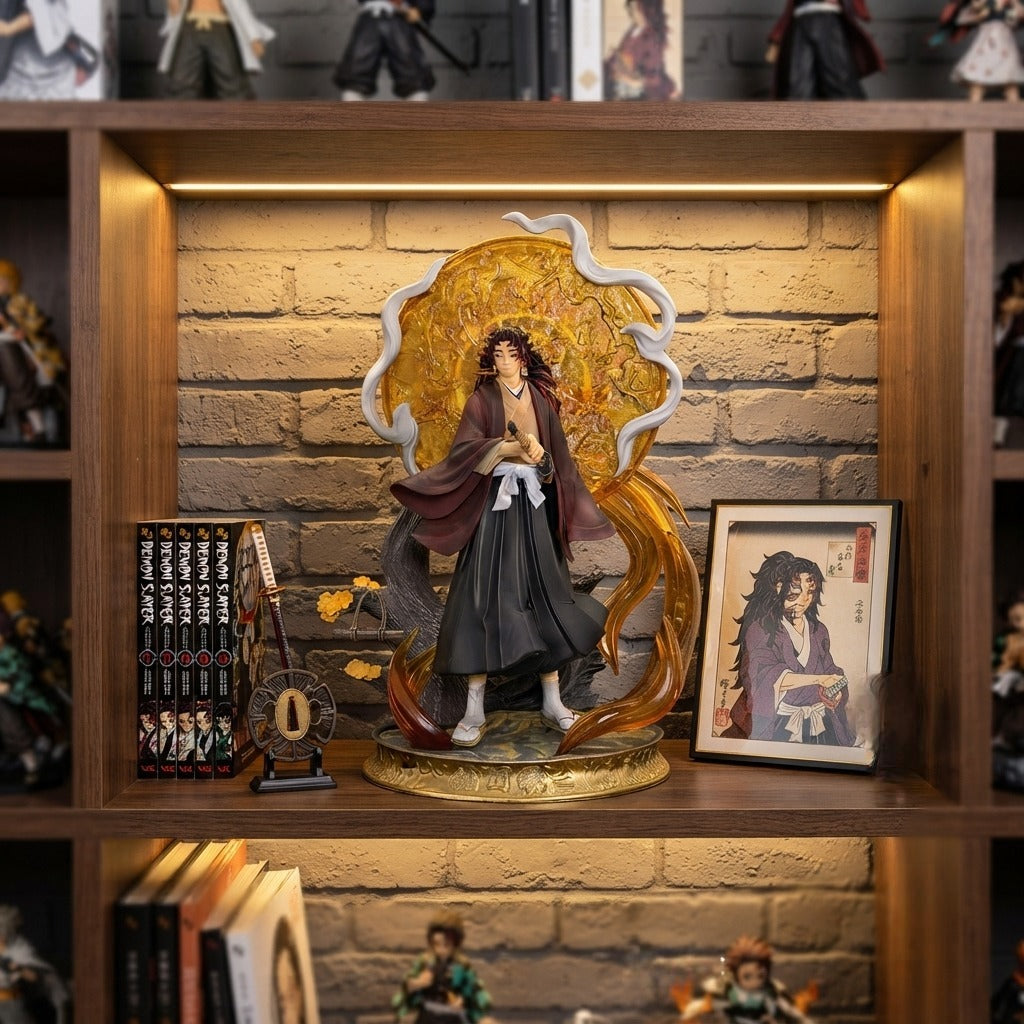
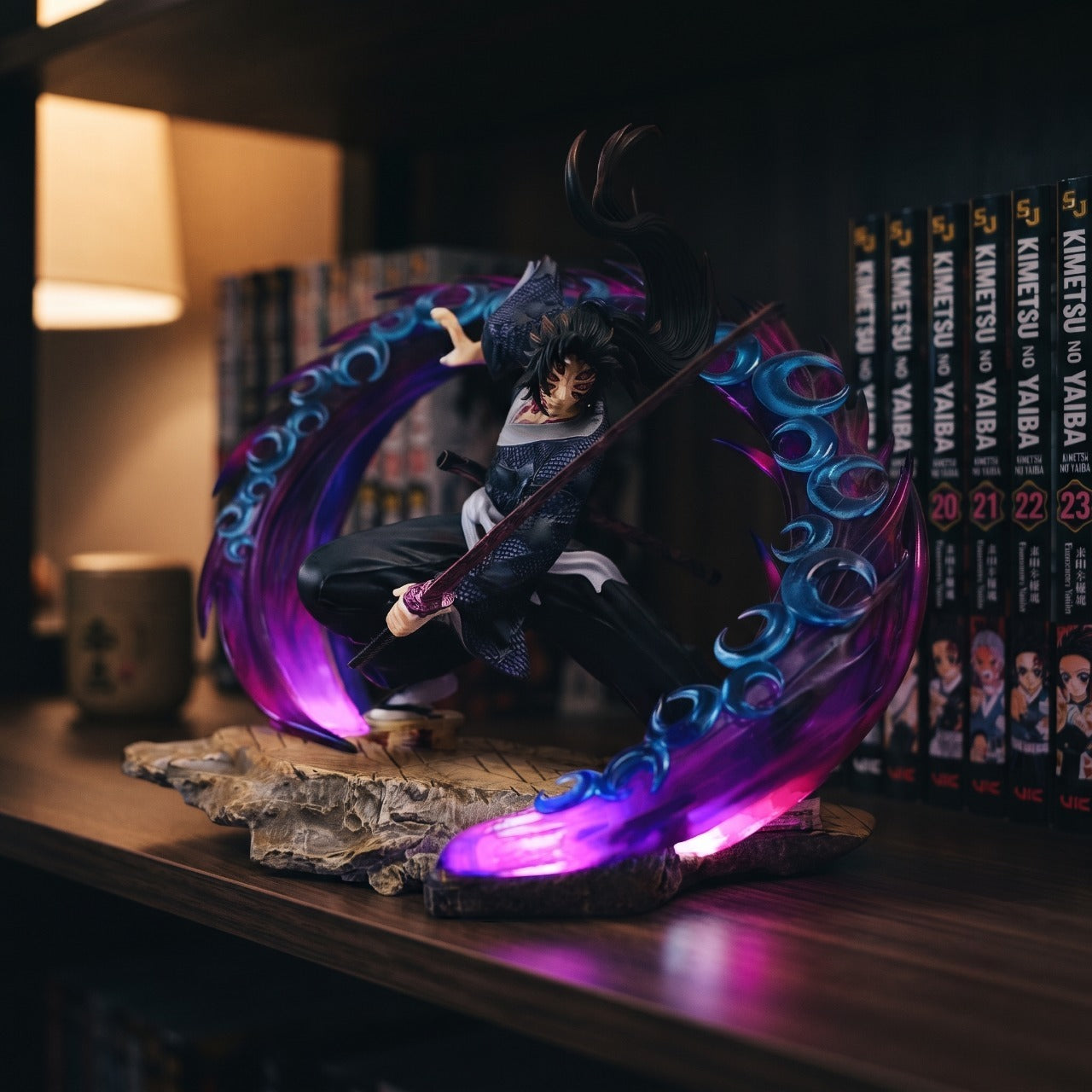
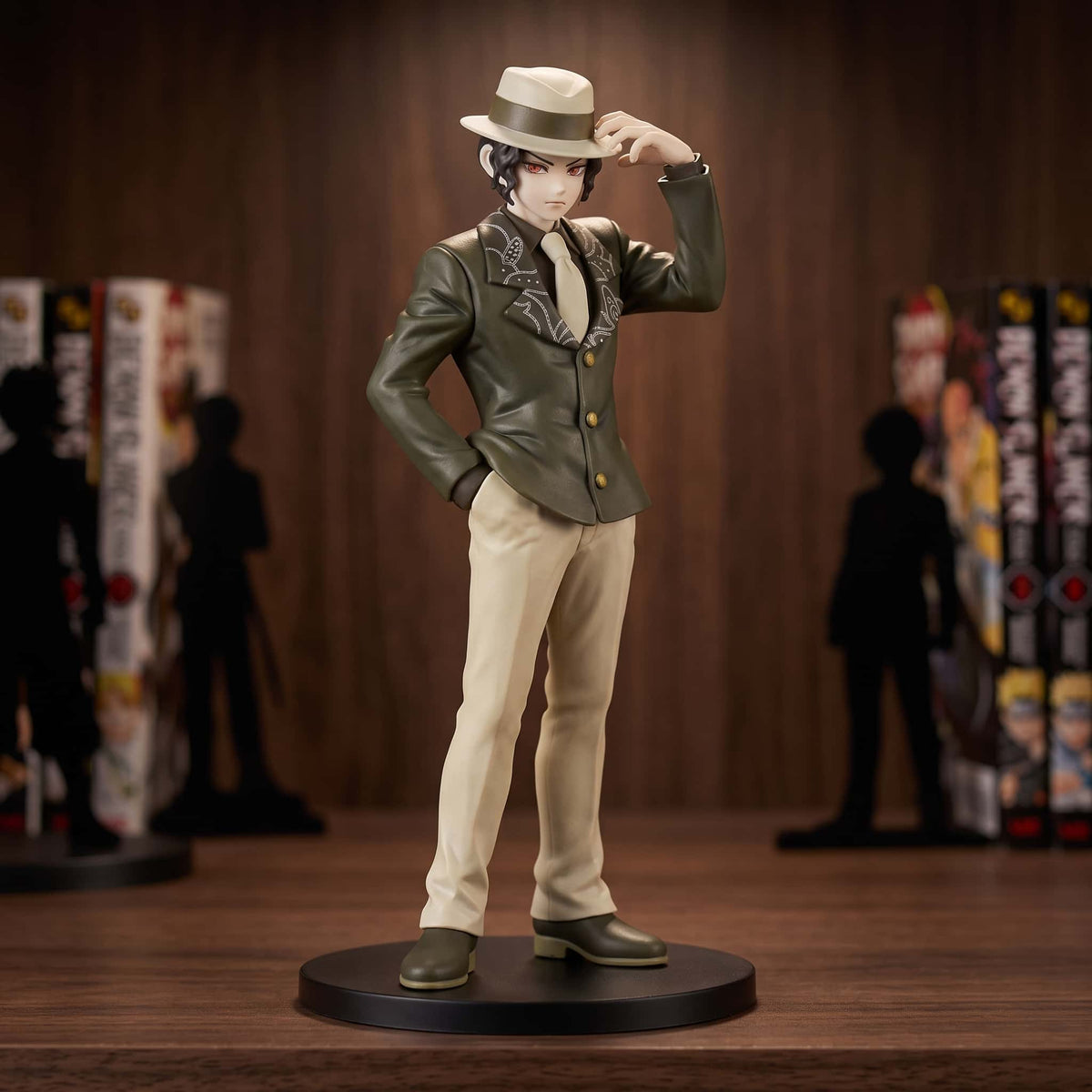
Demons are better represented than the heroes, which is rare. Akaza (4 pieces), Kokushibo (3), and the other Upper Ranks. These are also the largest and most expensive pieces, because their forms lend themselves to it: multiple arms, demon markings, impossible anatomies.
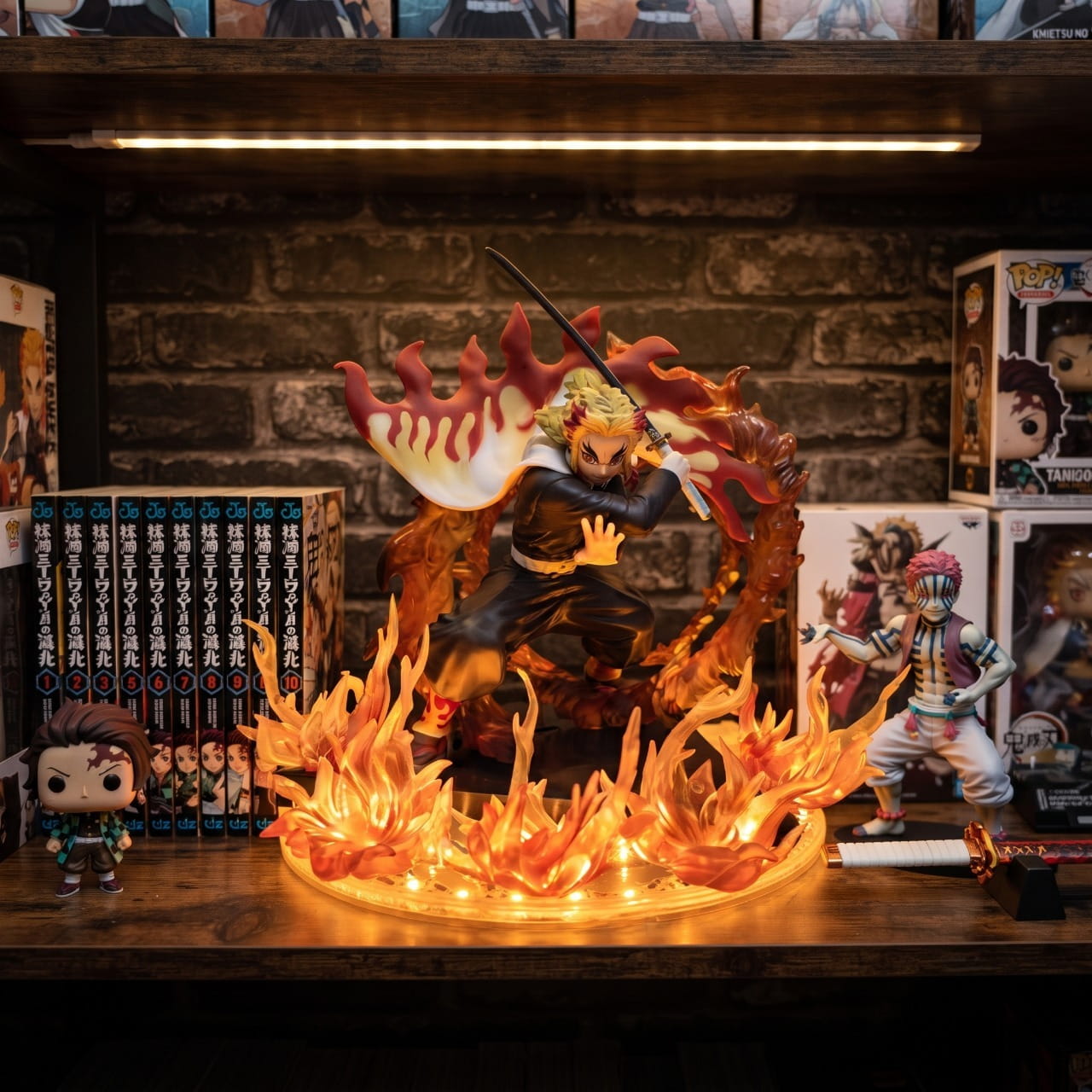
The Hashira: Shinobu Kocho (4), Rengoku, Giyu, Sanemi, Muichiro. Each has their own breathing color, which makes it possible to compose a row where two neighboring pieces never look alike.
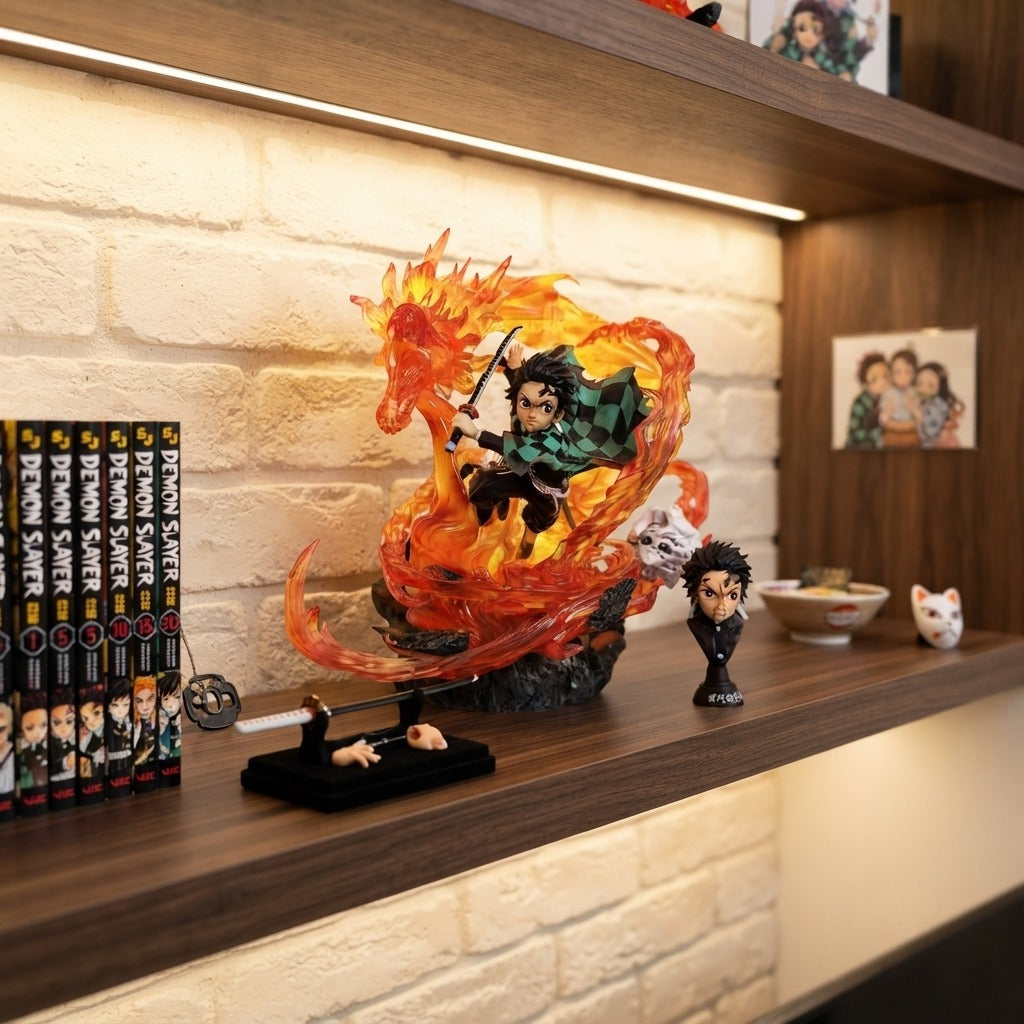
The Kamado siblings: Nezuko (5 pieces, the most varied in the department) and Tanjiro.
Yoriichi Tsugikuni (3), the original slayer, which provides the most sober pieces.
Choosing by size
The median of the department is at 28 cm, from the smallest at 14 cm to the largest at 51 cm. Here is how the catalog is distributed, and what each range implies.
- Less than 15 cm — 1 piece. The desk format: stands between two books, collectible in series.
- 15 to 24 cm — 7 pieces. The standard format, large enough for the sculpture to be appreciated on a standard shelf.
- 25 to 34 cm — 17 pieces. The focal point: one per shelf, not three.
- 35 cm and above — 6 pieces. The statue, which requires its own space and a background that does not compete with it.
The department is concentrated on the intermediate format: 17 pieces between 25 and 34 cm, which is the format that is visible without monopolizing the shelf.
Choosing by budget
From €18.90 to €374.90, with a median of €104.90. Three tiers, and they correspond to three different types of objects.
- Under €50 — a good, simple sculpture, often in small format, on a flat base. This is the entry point for gifts and first-time purchases.
- €50 to €150 — the heart of the department. Intermediate to large size, detailed base, careful painting. This is where the ratio between what you pay and what you see is the best.
- Above €150 — the display piece. Large format, diorama, transparent effects, multiple characters. You buy one of these, not five.
The lowest starting price in the shop is €18.90. This is also the department where demon pieces occupy the top end of the price range.
Breathing styles, between water and flame
Each combat style has its color and shape: water in blue waves, flame in orange tongues, lightning in yellow bolts, insect in purple trails. It is the second effect to look at after the haori.
The technical difficulty is the same as with auras: rendering movement with static matter. The best pieces use tinted translucent material and cut the effect into successive layers rather than a single molded piece.
What you will find in this department
Diorama clashes, notably the fight against Akaza, which is the most sculpted scene in the license.
Small-format pieces — the department has the lowest entry price in the shop, at €18.90.
Plush toys, which fall outside the figure category but remain in the department because they represent the same characters.
Reading a figure photo
We buy based on images, and not all images are created equal. Here is what to look at, in order, before making a decision.
The face, by zooming in. This is where everything happens. The eyes must be symmetrical and sharp, the hairline clean. Cross-eyed gazes or smudged bangs betray a worn-out mold, and no other detail can make up for that.
The joints. Between the character and their energy effect, between the body and the base, between two limbs. A visible joint is normal—the piece is molded in several parts—but it must be clean, not filled with glue.
The base. It often accounts for a third of the price and is what ages the best or the worst. A detailed base—terrain, debris, decor—provides context; a plain black disc leaves the piece floating.
Photos from several angles. A single front view usually hides a sloppy back. Our product pages show several angles when the supplier provides them, and we prefer to say so when that is not the case.
What determines the price of a piece
Three factors, in the order of their importance. Height first: the volume of material and the difficulty of molding increase much faster than the size. Number of elements next—a diorama with a sculpted base, transparent effects, and two characters requires several molds and assembly. Paint fineness lastly, which is visible on the faces and gradients, and is what really distinguishes two pieces of the same size.
What does NOT determine the price: the popularity of the character. A well-sculpted supporting role costs more than a poorly made hero, and that is a good thing.
Before ordering
The height is in the title, base included. This is the only reliable reference: a studio photo on a neutral background gives no sense of scale, and the same framing is used for a 12 cm piece and a 40 cm one.
Packaging information is on the product page. Part of the catalog arrives without an original box, in protective packaging. It does not take anything away from the piece, but if the box matters to you, check the line before ordering.
No direct sunlight. PVC warps in heat and UV rays fade paint. A display cabinet facing south is the worst possible place, even behind glass.
Frequently asked questions
What material are these figures made of?
Painted PVC for almost all of them,
sometimes with ABS resin elements for fine parts and tinted translucent plastic
for energy effects. This is the standard for collectible figures: it holds detail well during sculpting
and does not break at the first impact.
Is assembly required?
Most arrive assembled. Some
require fitting the piece onto its base or attaching a separate effect, without tools or glue. The
product page specifies when this is the case.
How to dust them?
With a soft brush—a clean makeup brush
works very well. A cloth pushes dust into the crevices and scratches shiny surfaces. Never use alcohol or household cleaners: they attack the varnish.
Do you deliver to Belgium and Switzerland?
Yes, as in the rest of Europe,
with tracking. Shipping is free on orders over €49, which a single piece from this department most often reaches.
What if a piece arrives damaged?
Photograph it in its packaging
before taking it out, and write to us. The photo in the box settles the file in two
messages rather than ten.
To explore further: our Chibi Demon Slayer figures — 48 pieces, the largest chibi department in the shop — our Demon Slayer wall scrolls, our Demon Slayer iPhone cases, and our guide to the Hashira. And the rest of the department: all our manga figures — or related licenses: One Piece, Naruto, Dragon Ball, Jujutsu Kaisen.