
Filters
213 products
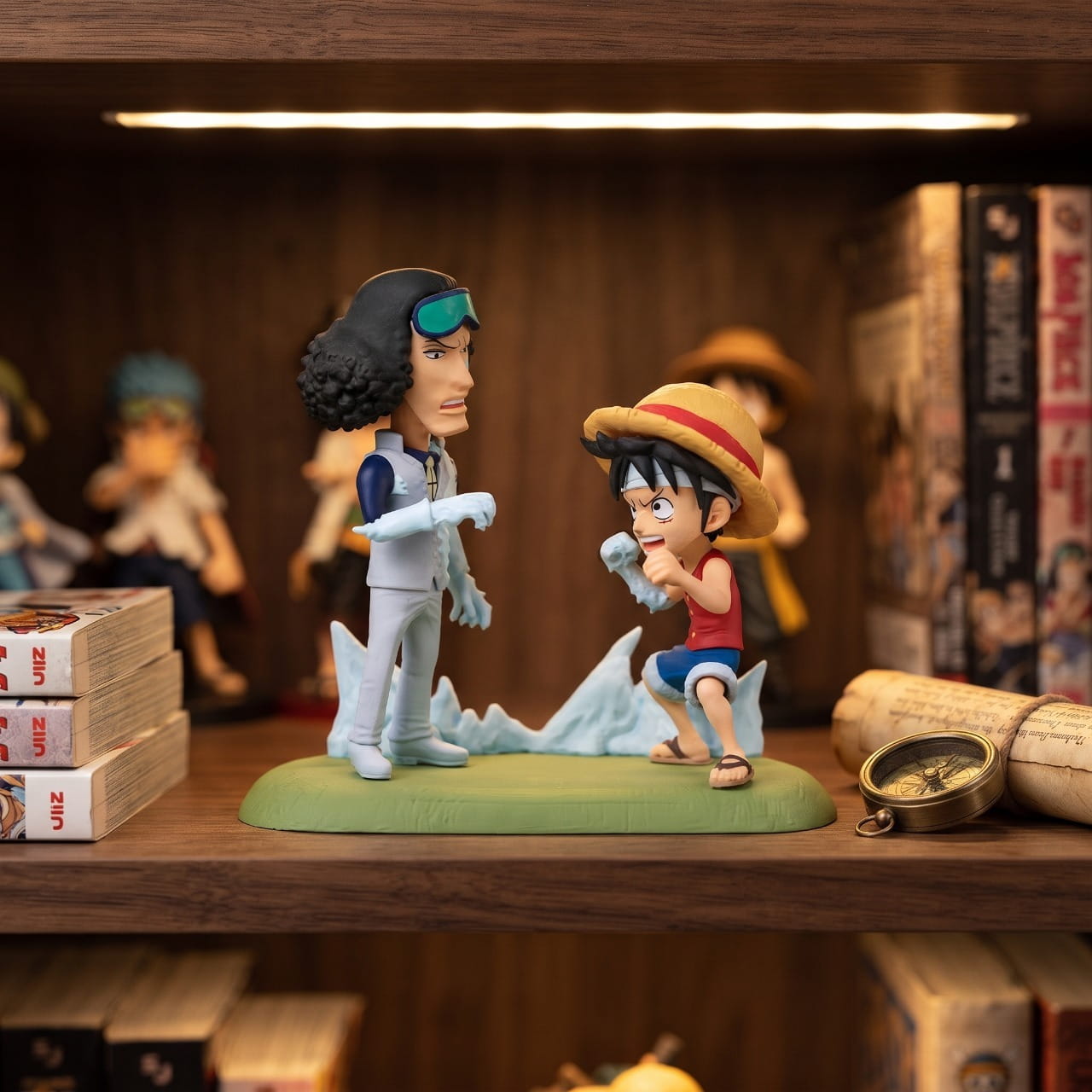
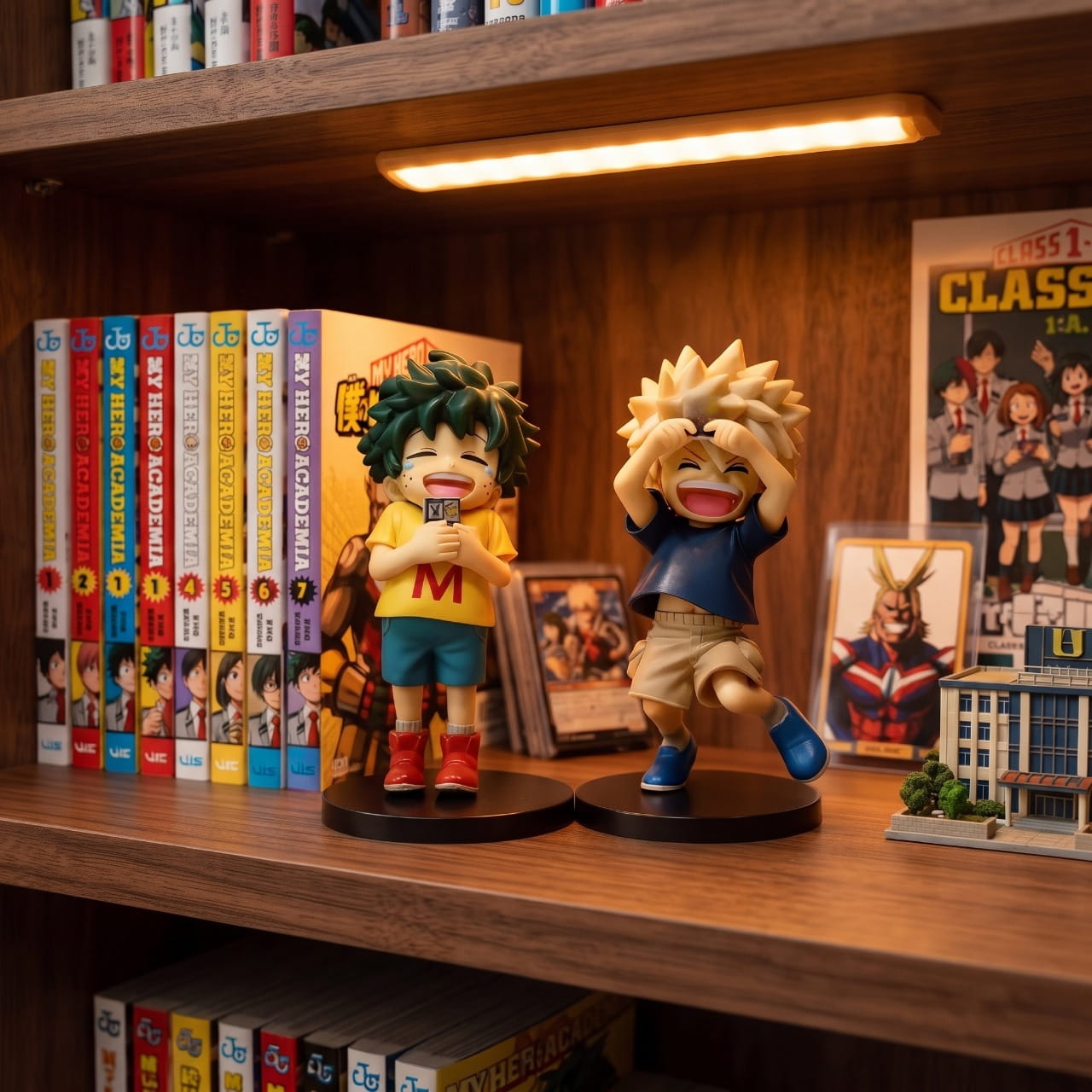
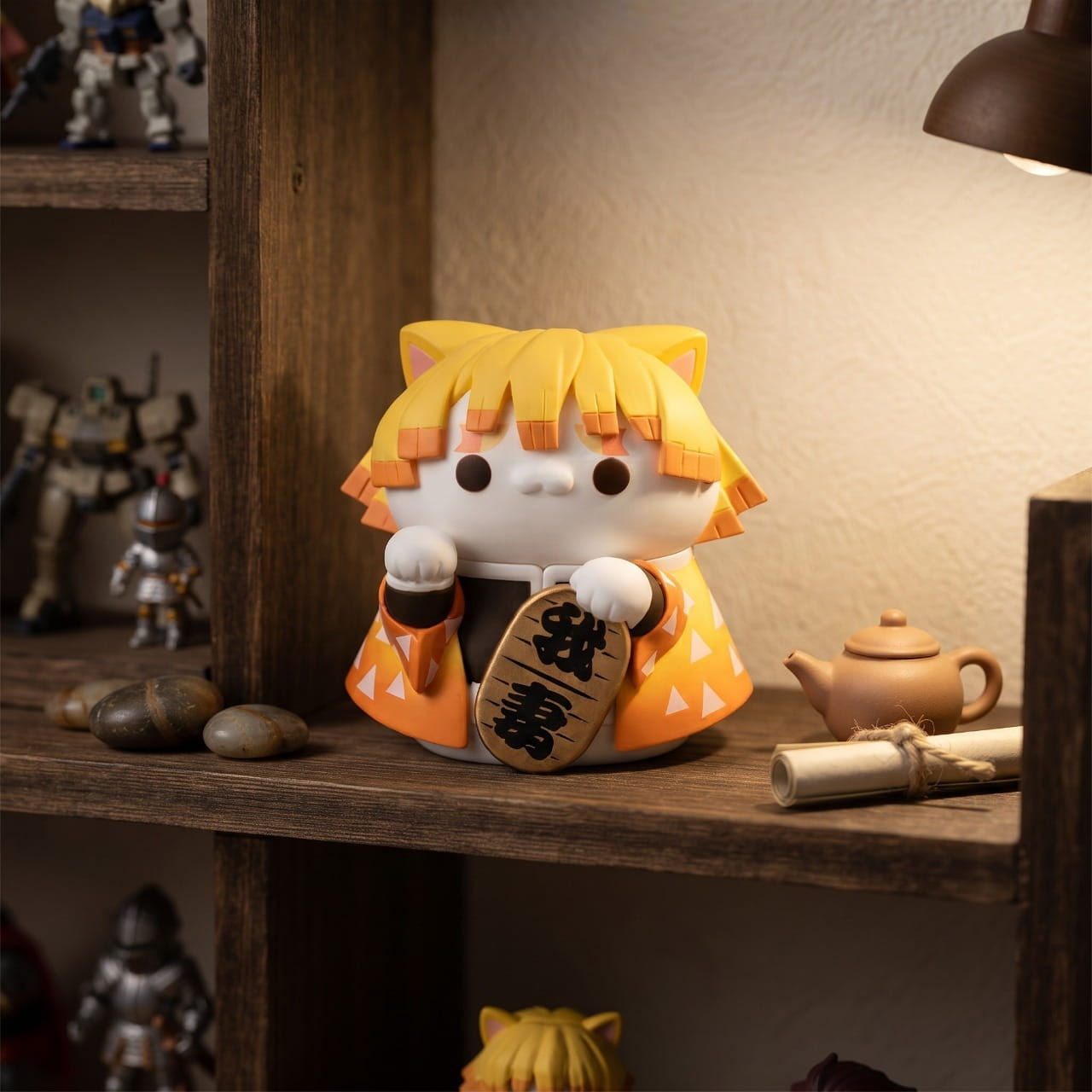
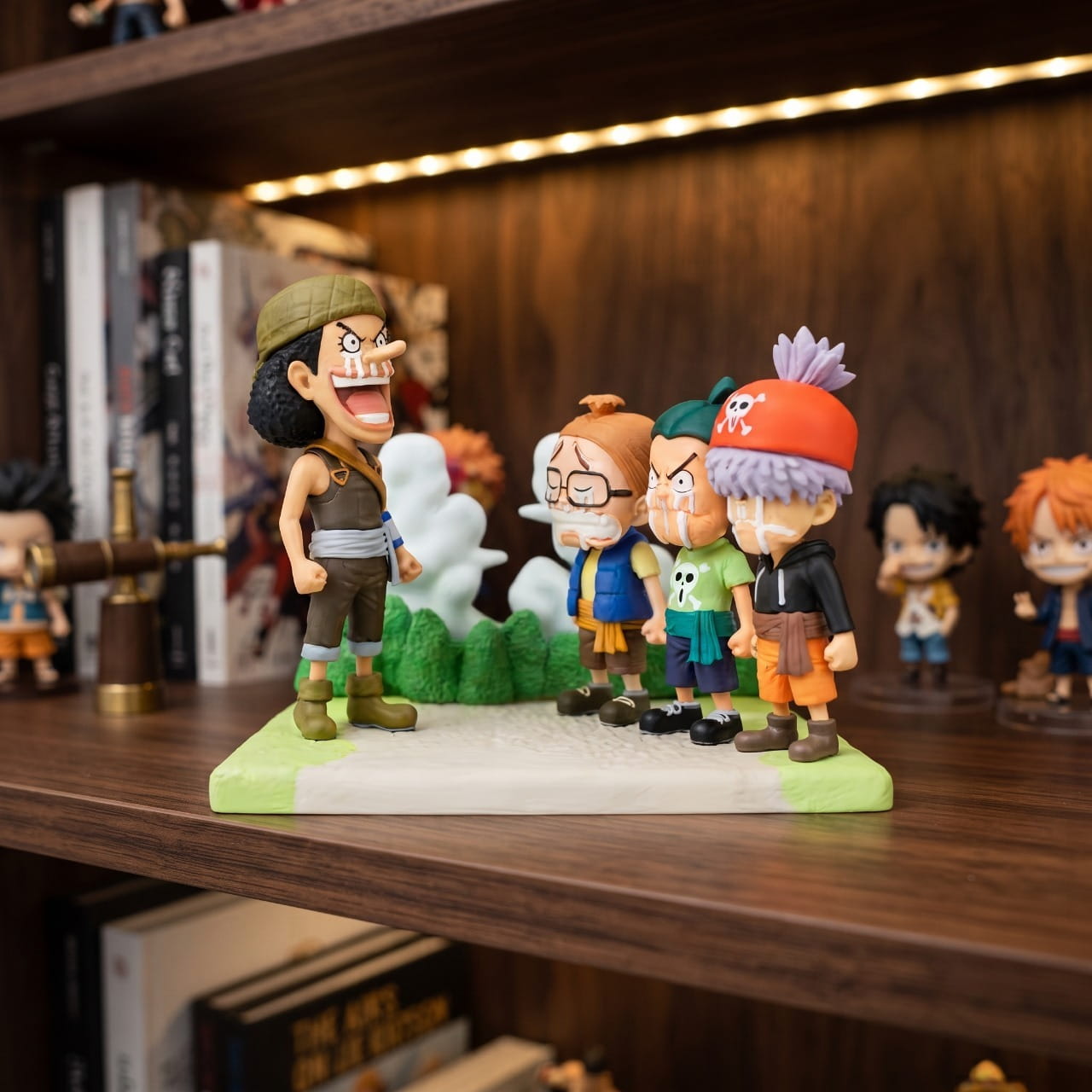
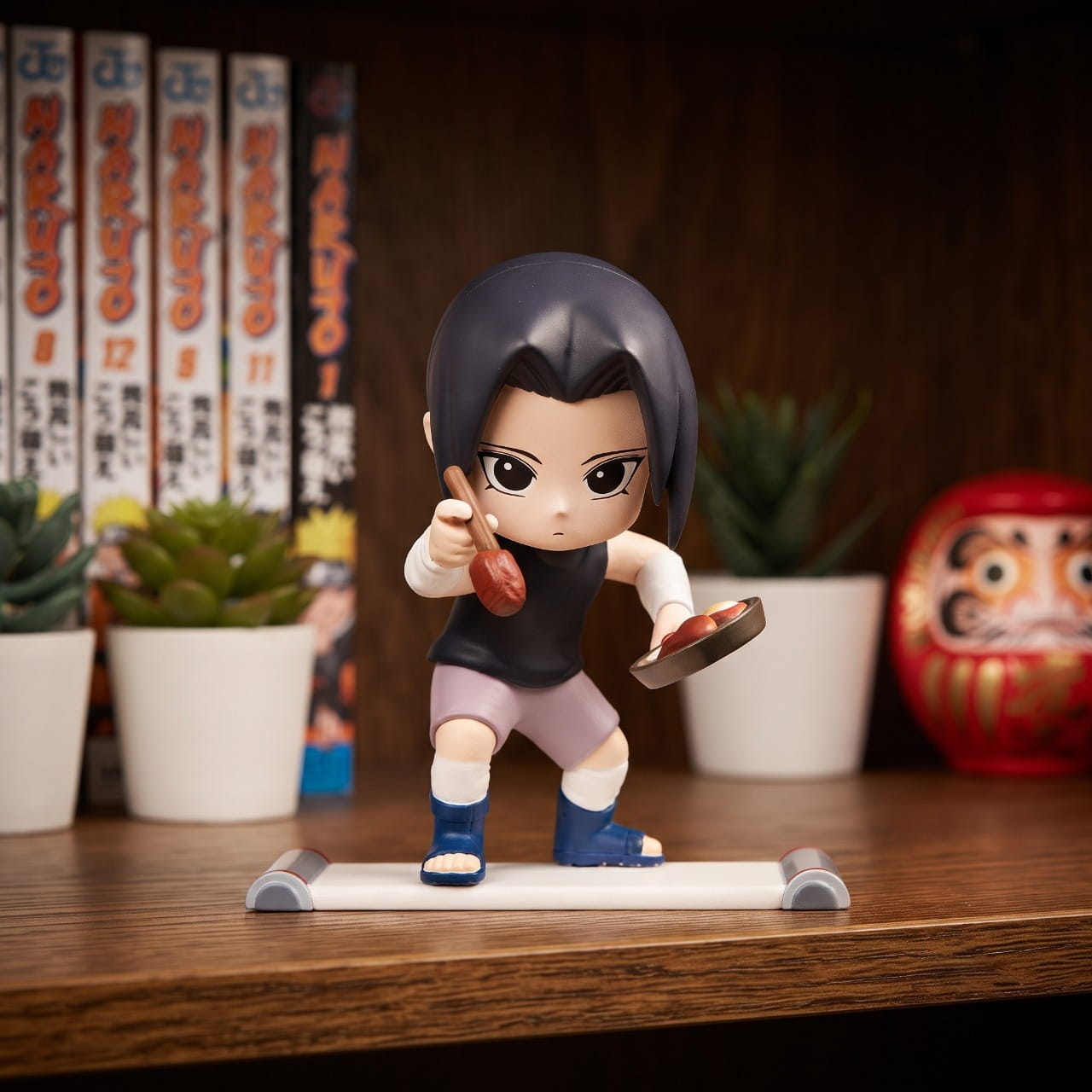
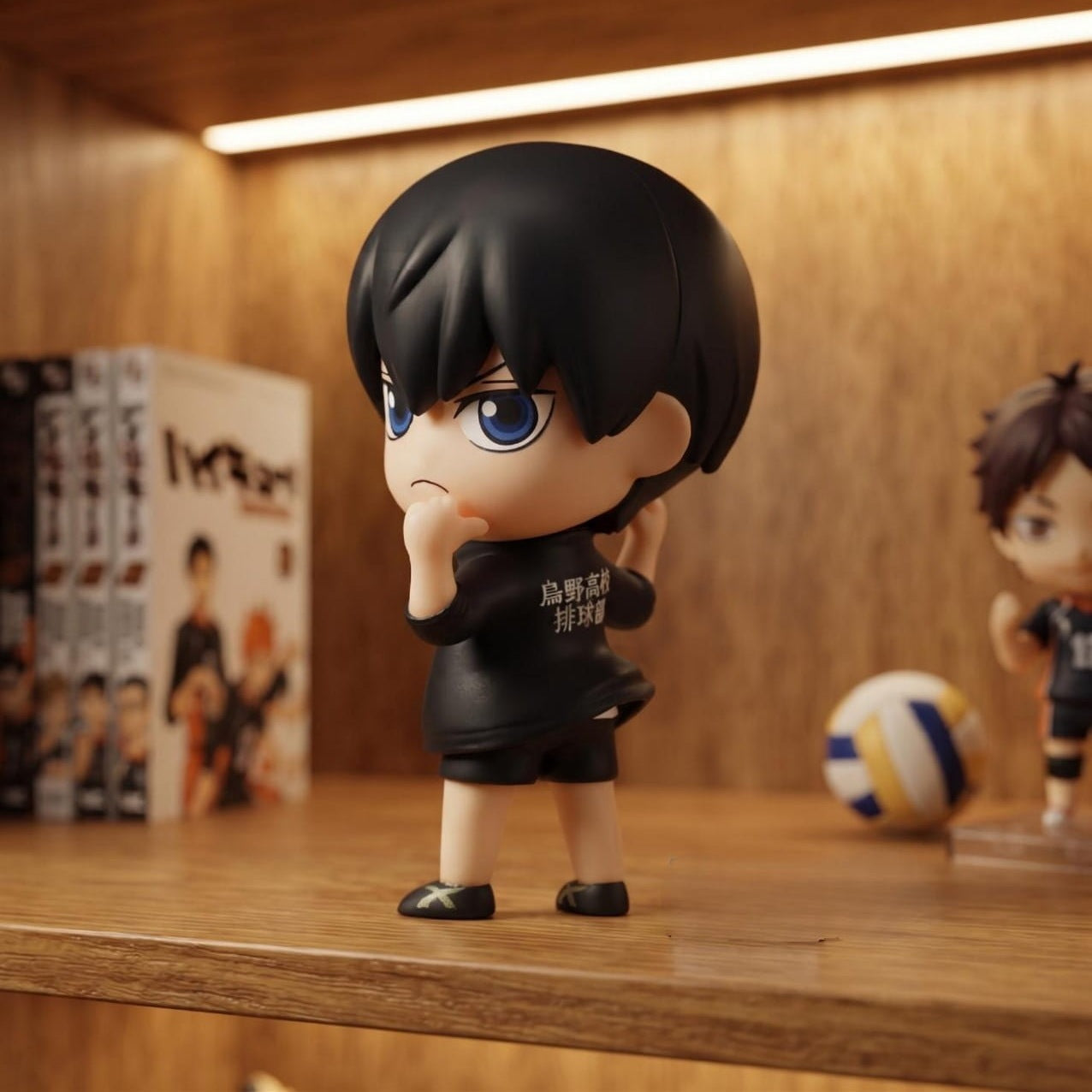
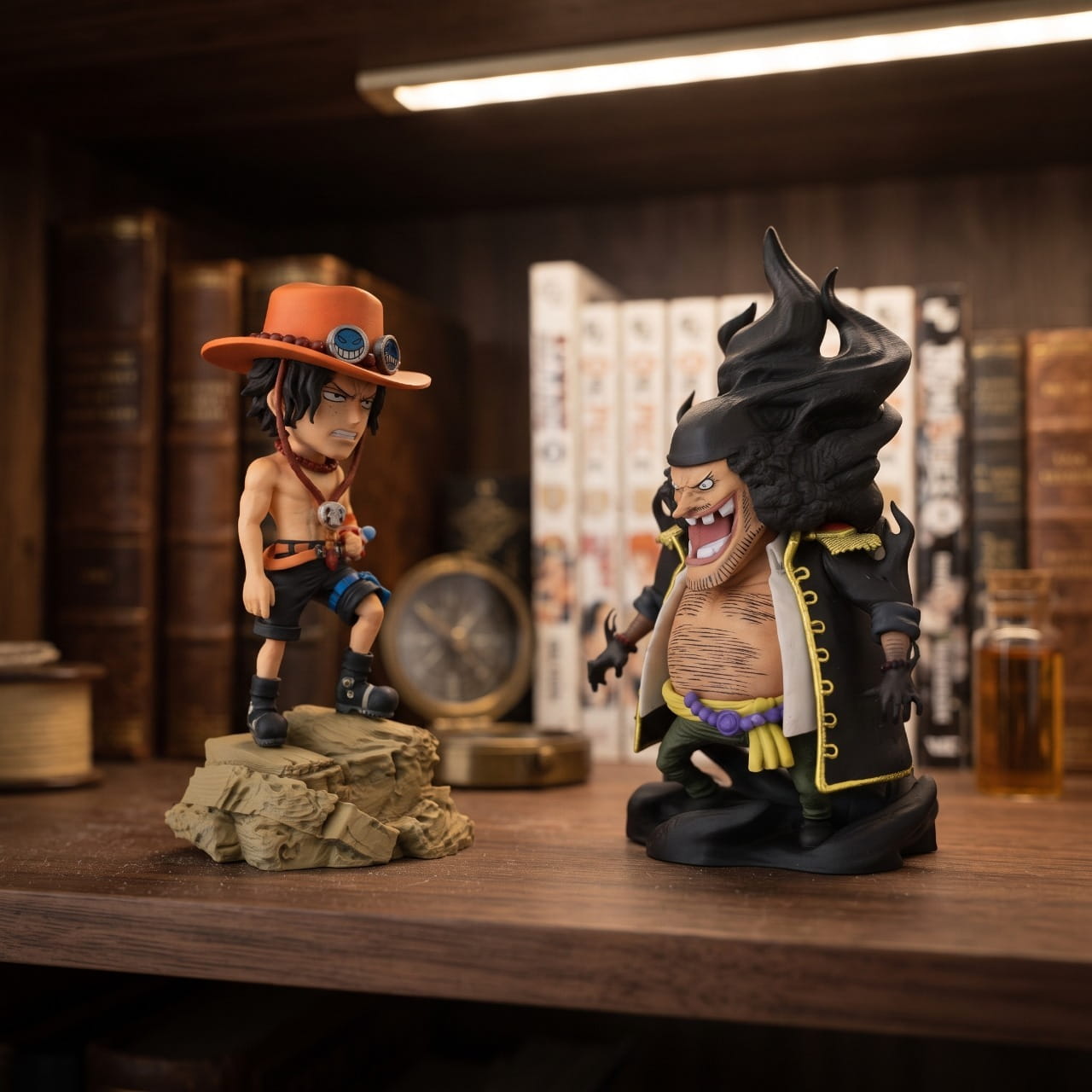
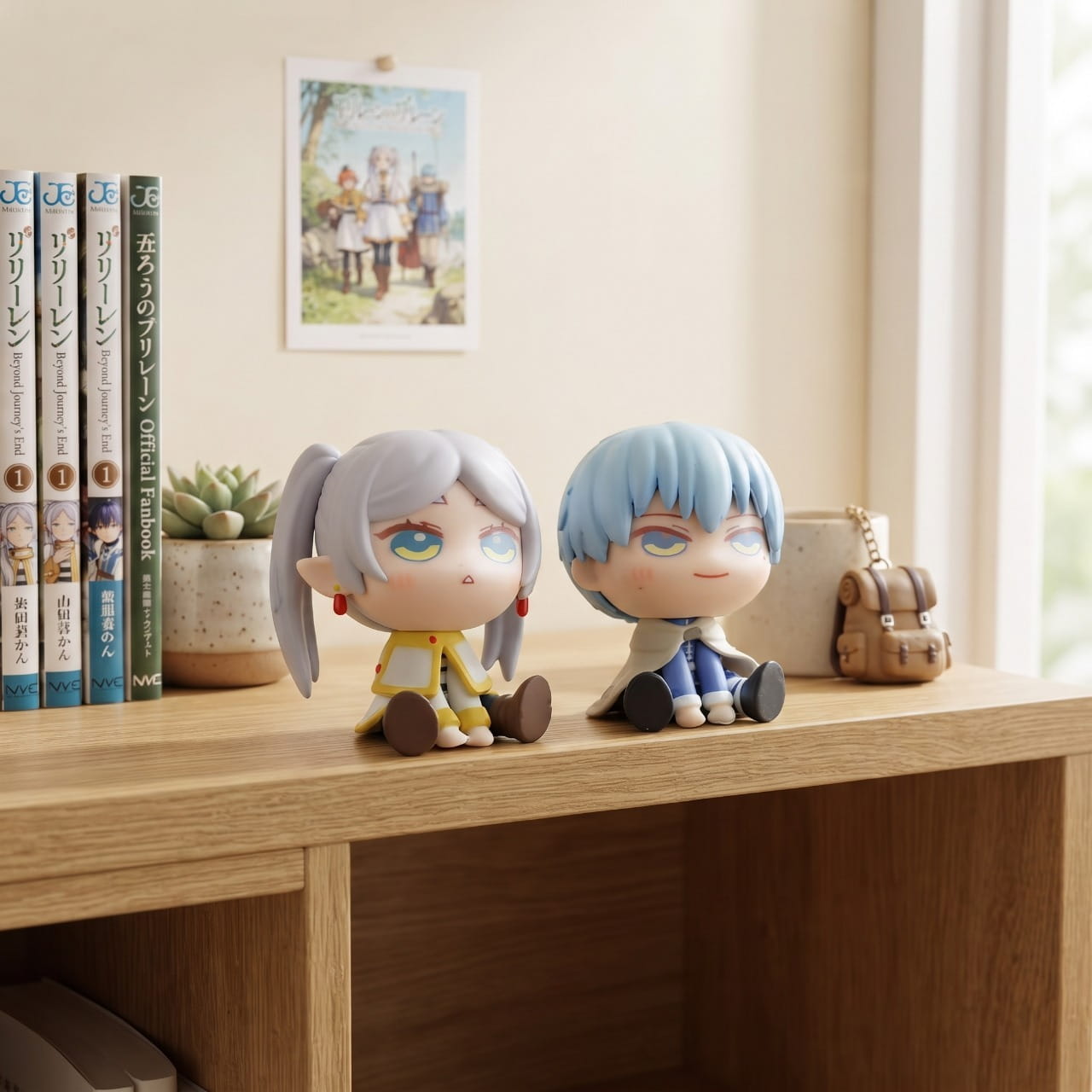

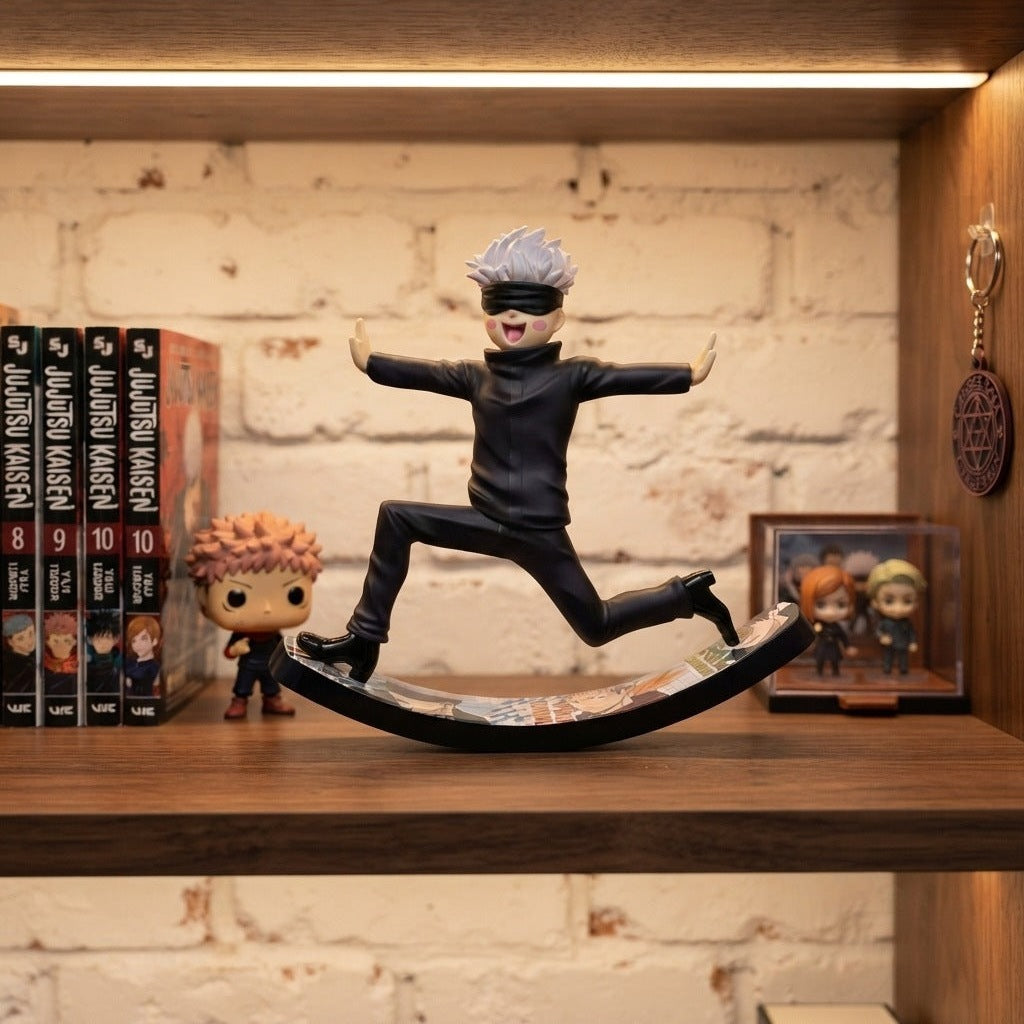
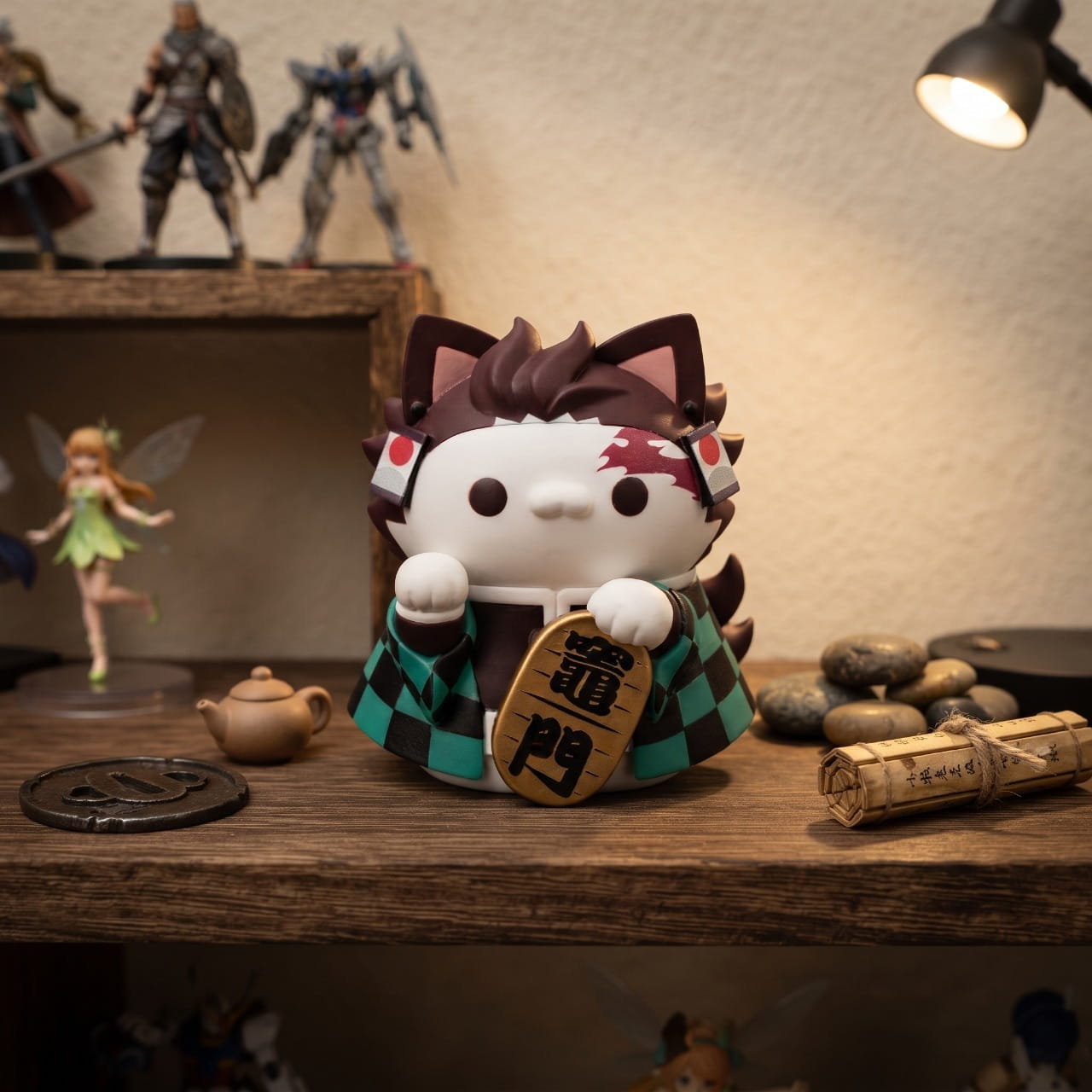
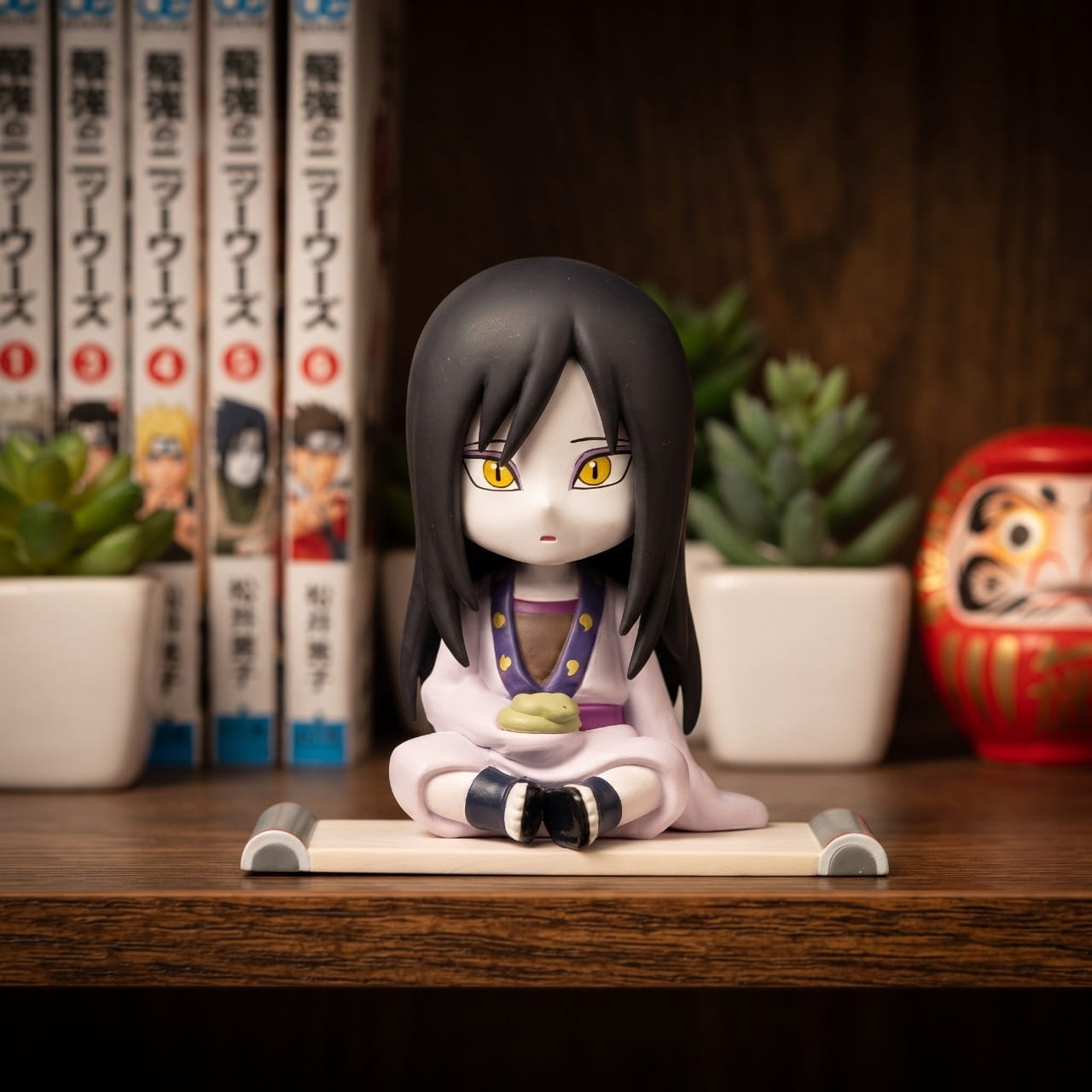
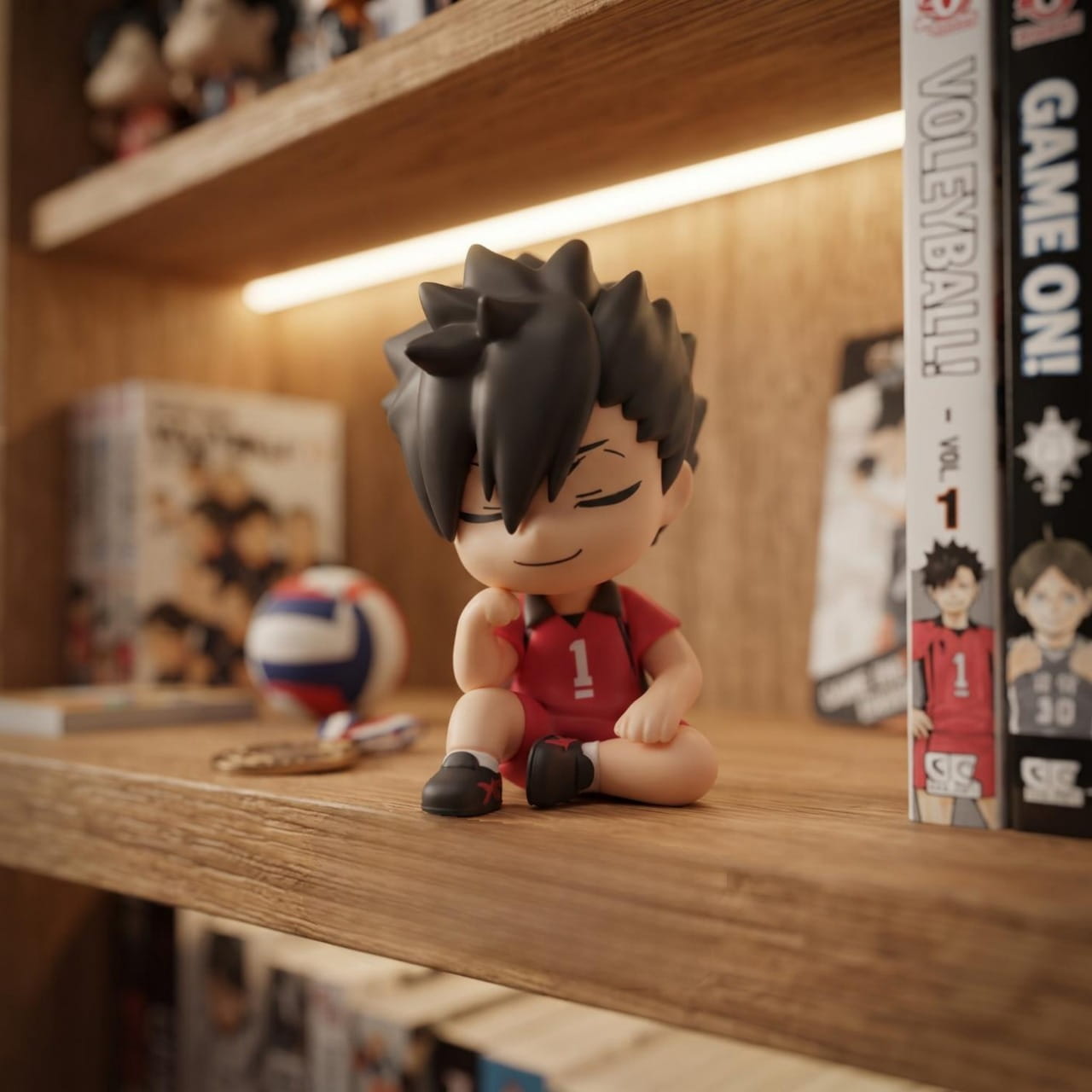
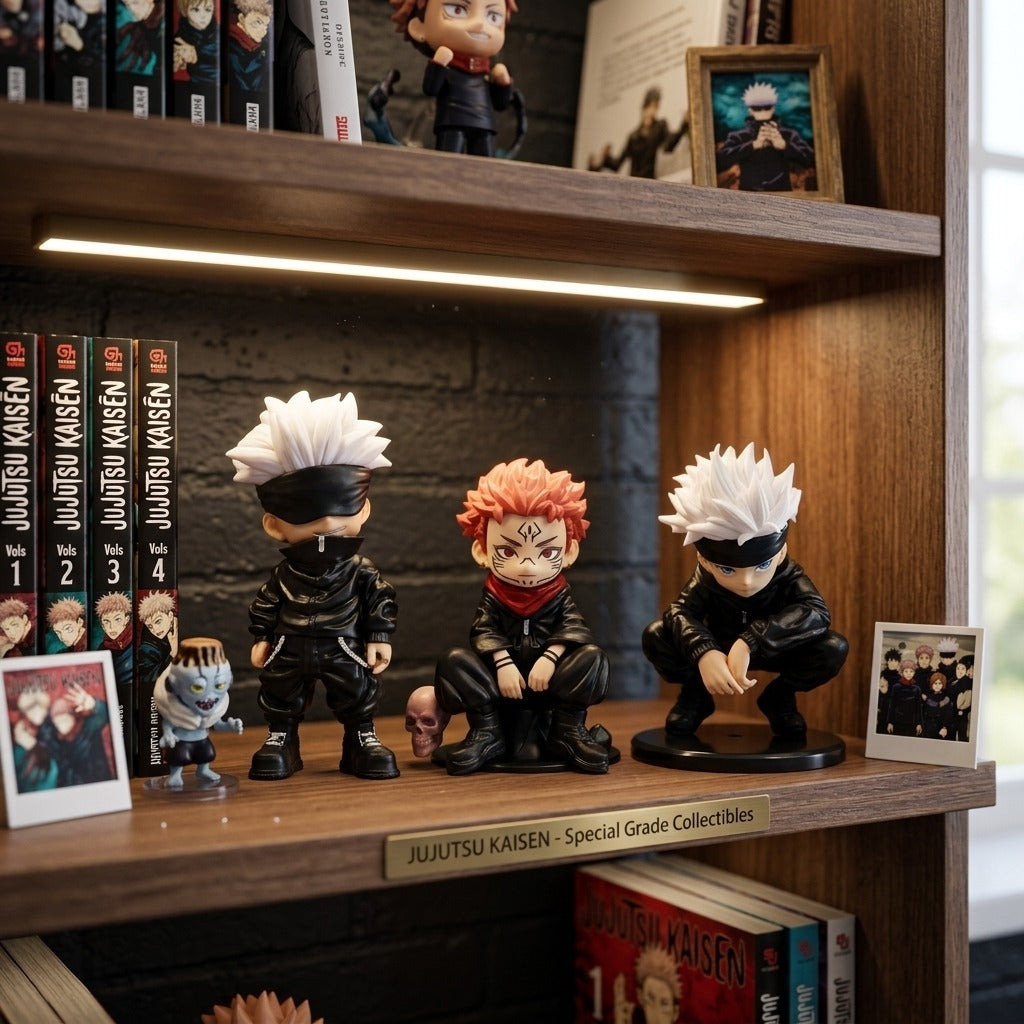
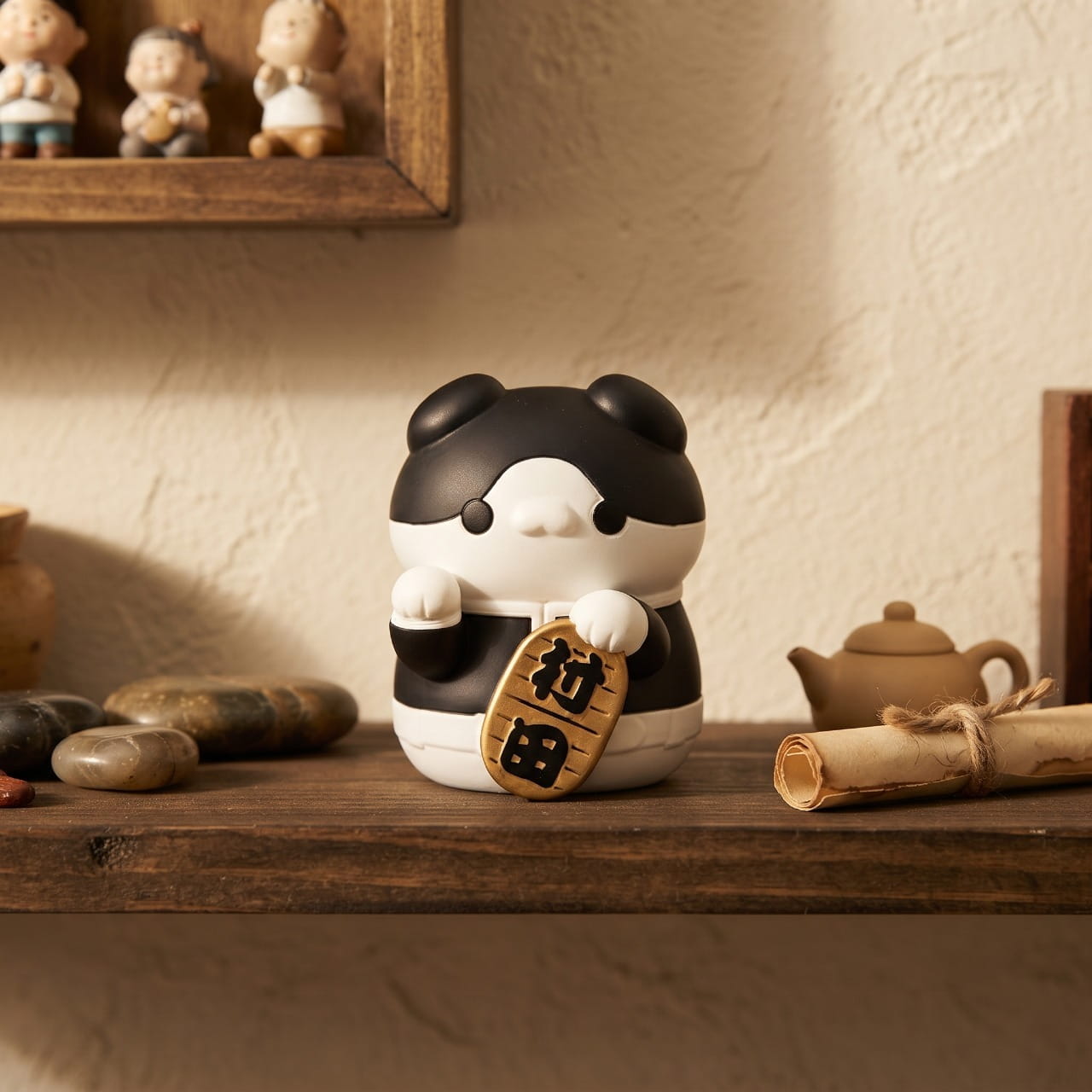
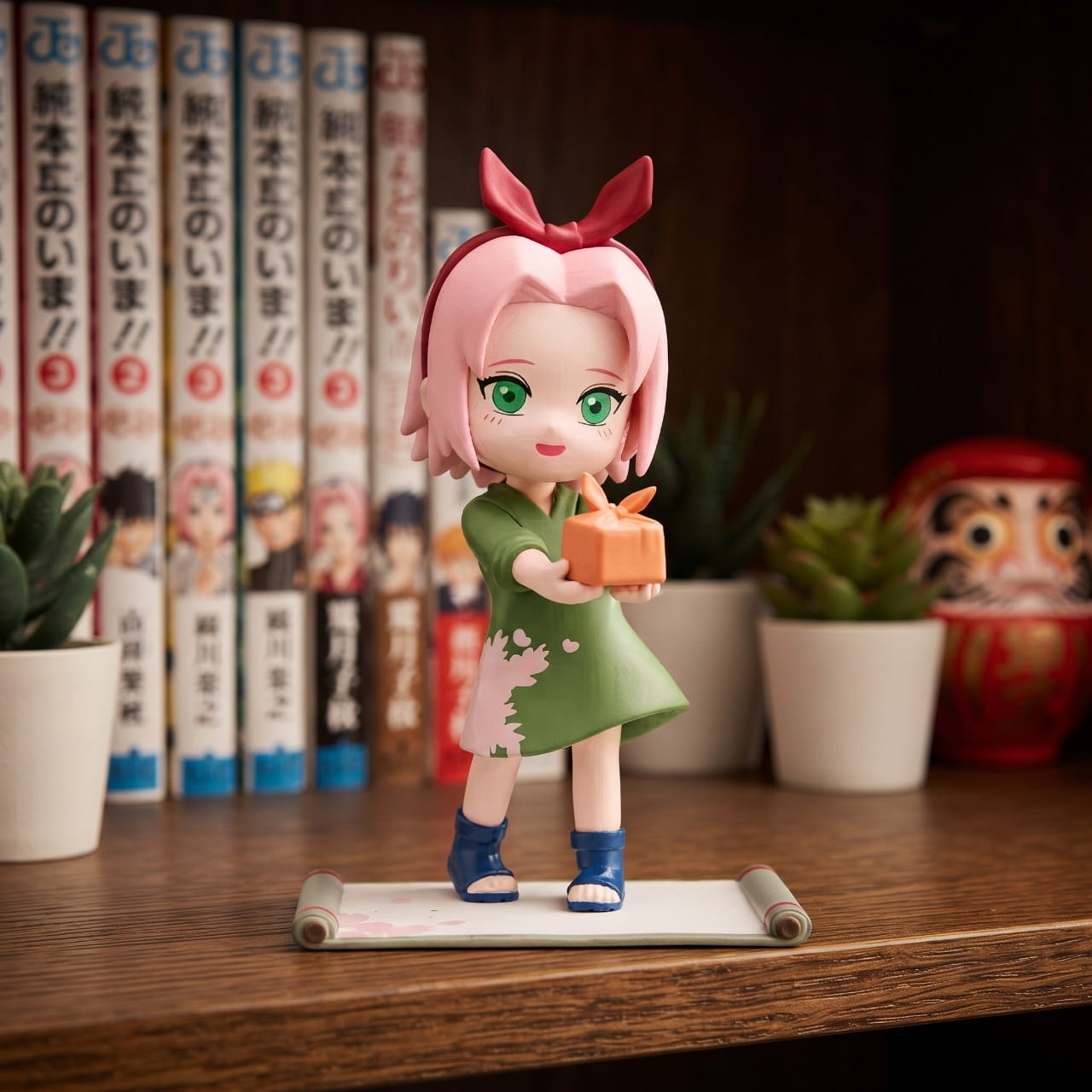
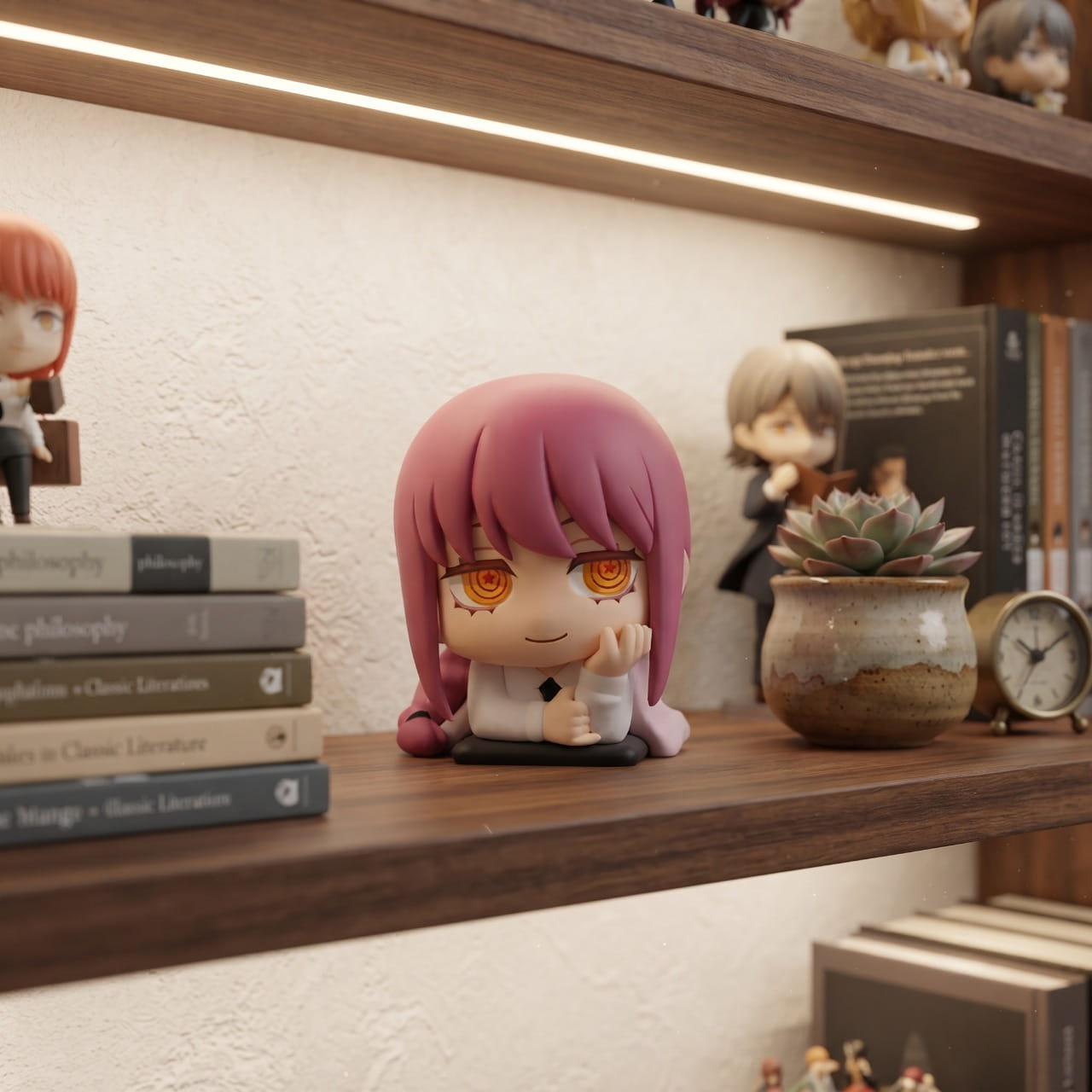
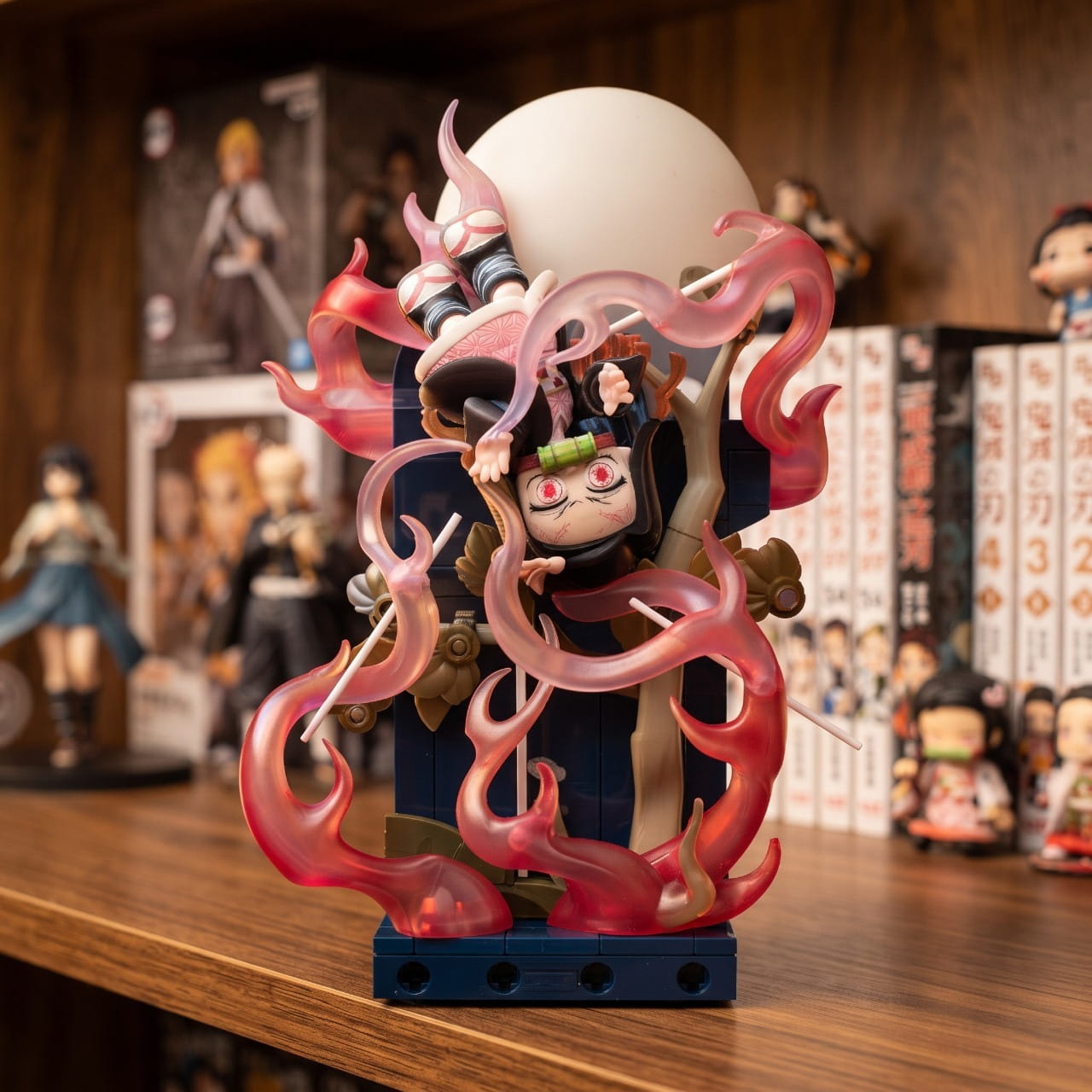
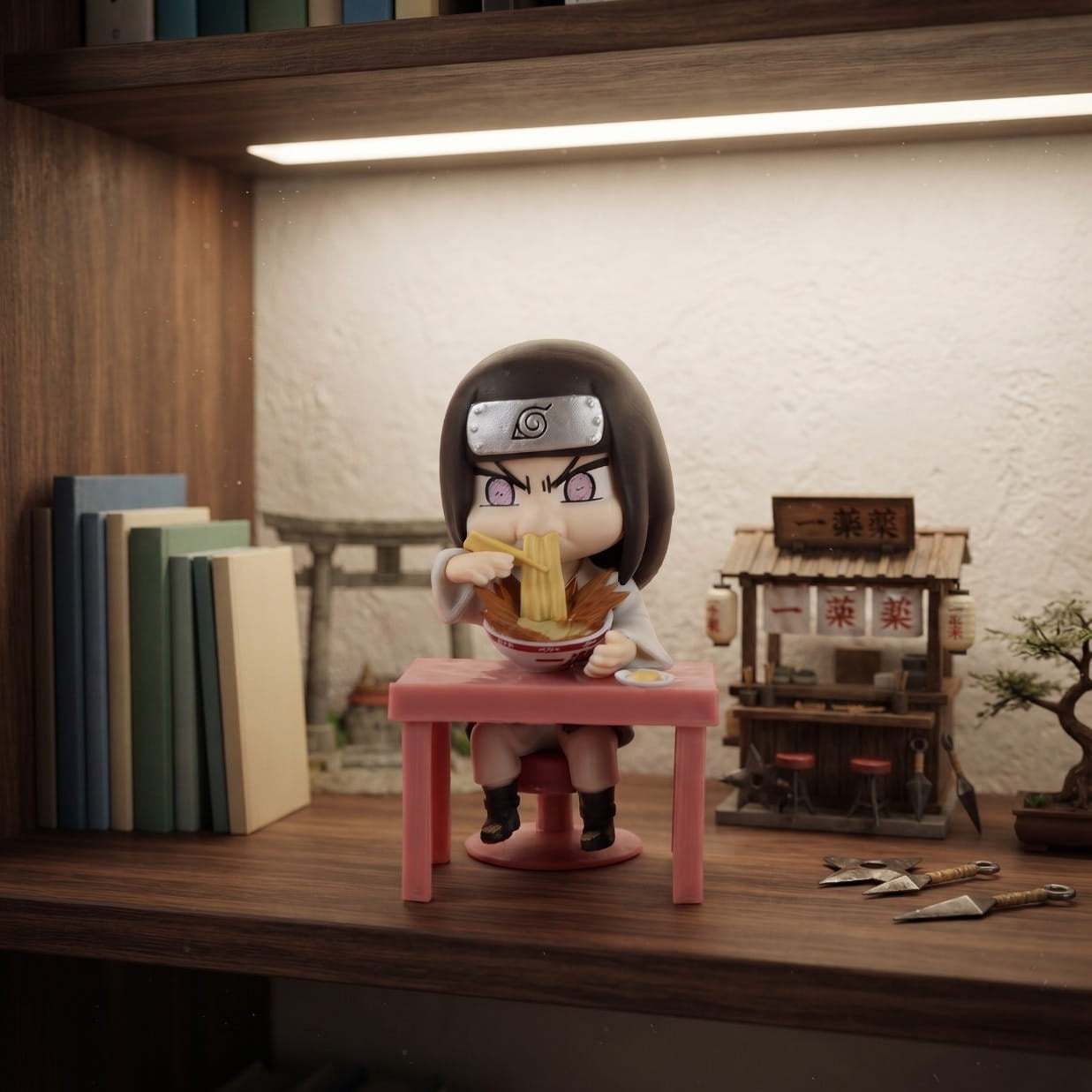
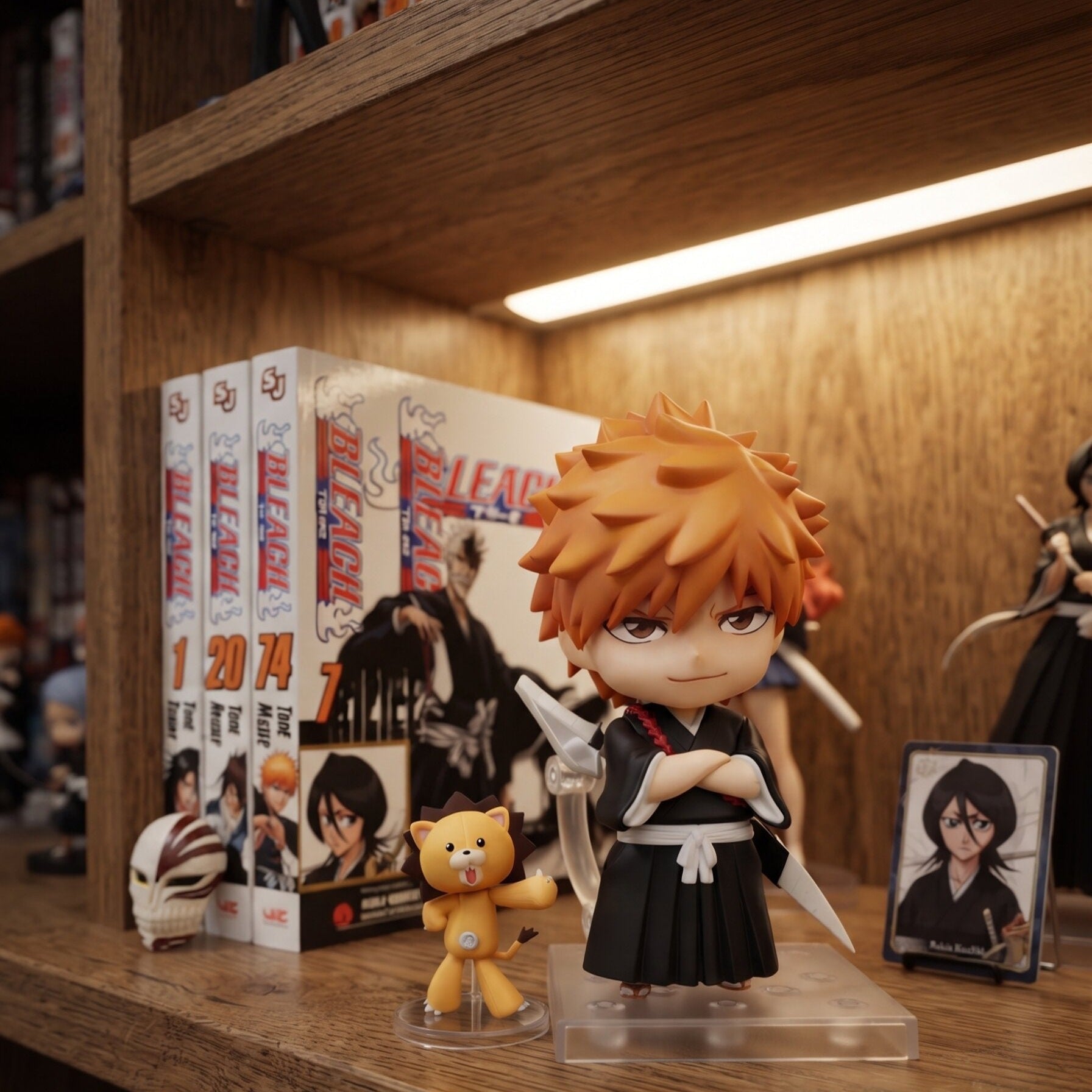
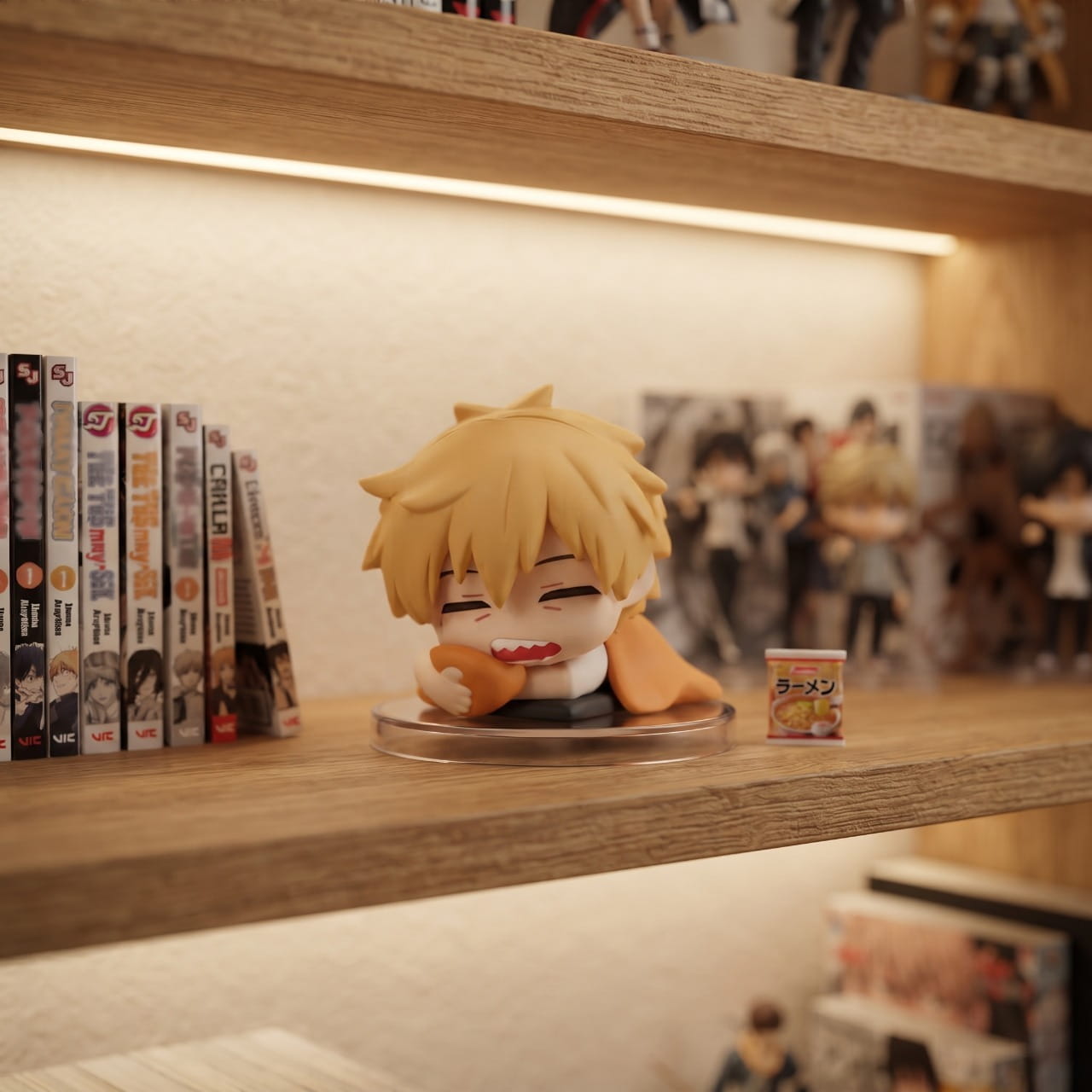
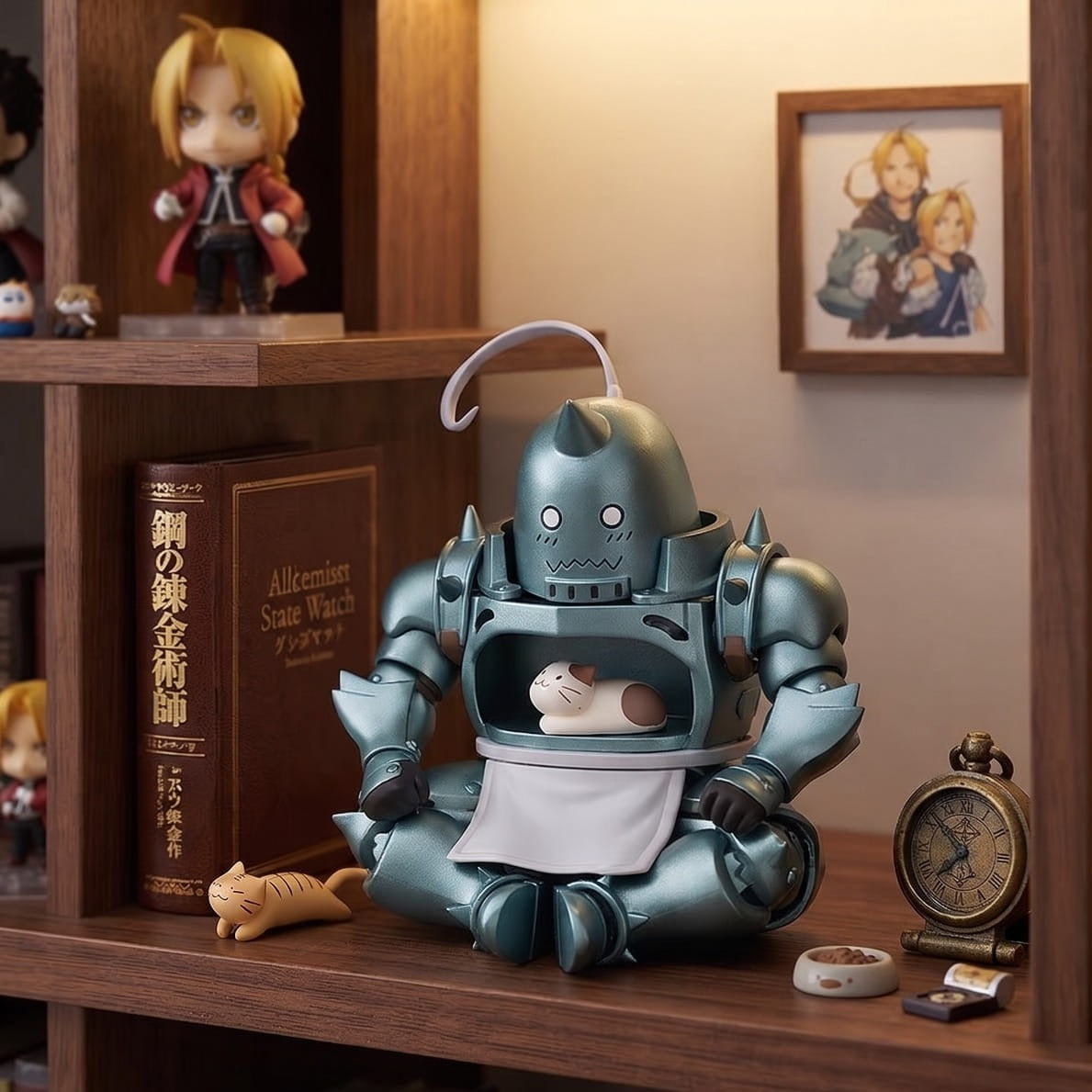
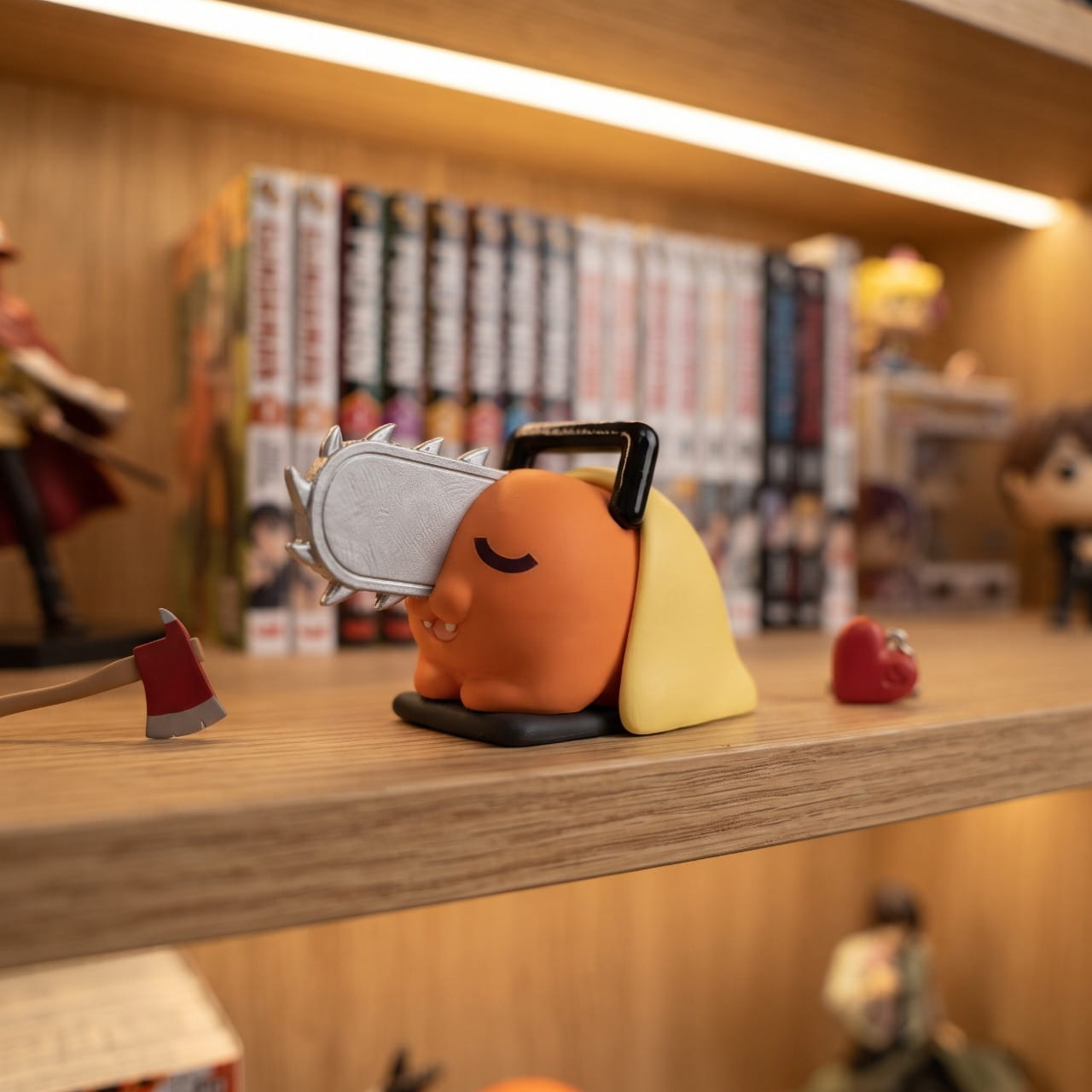
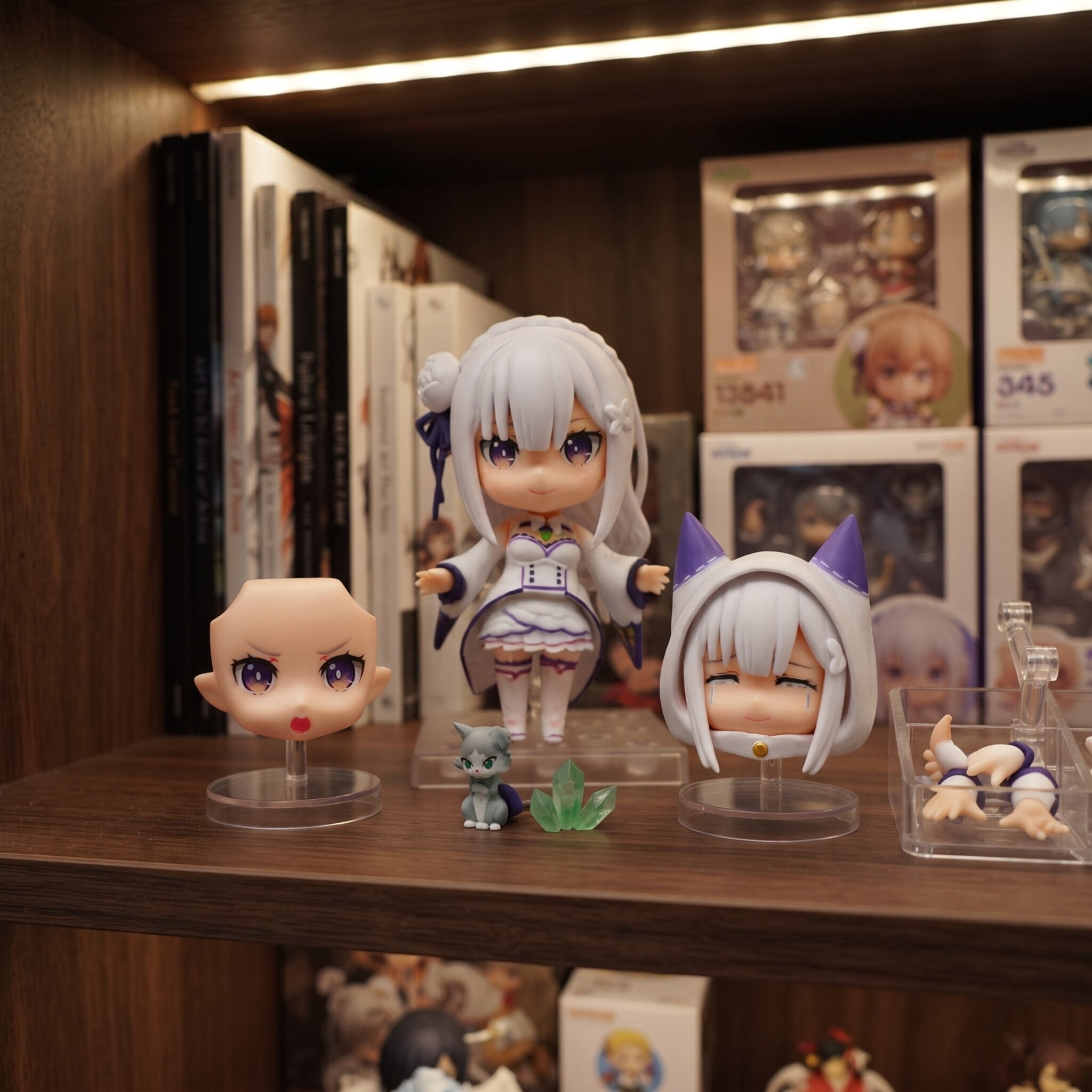
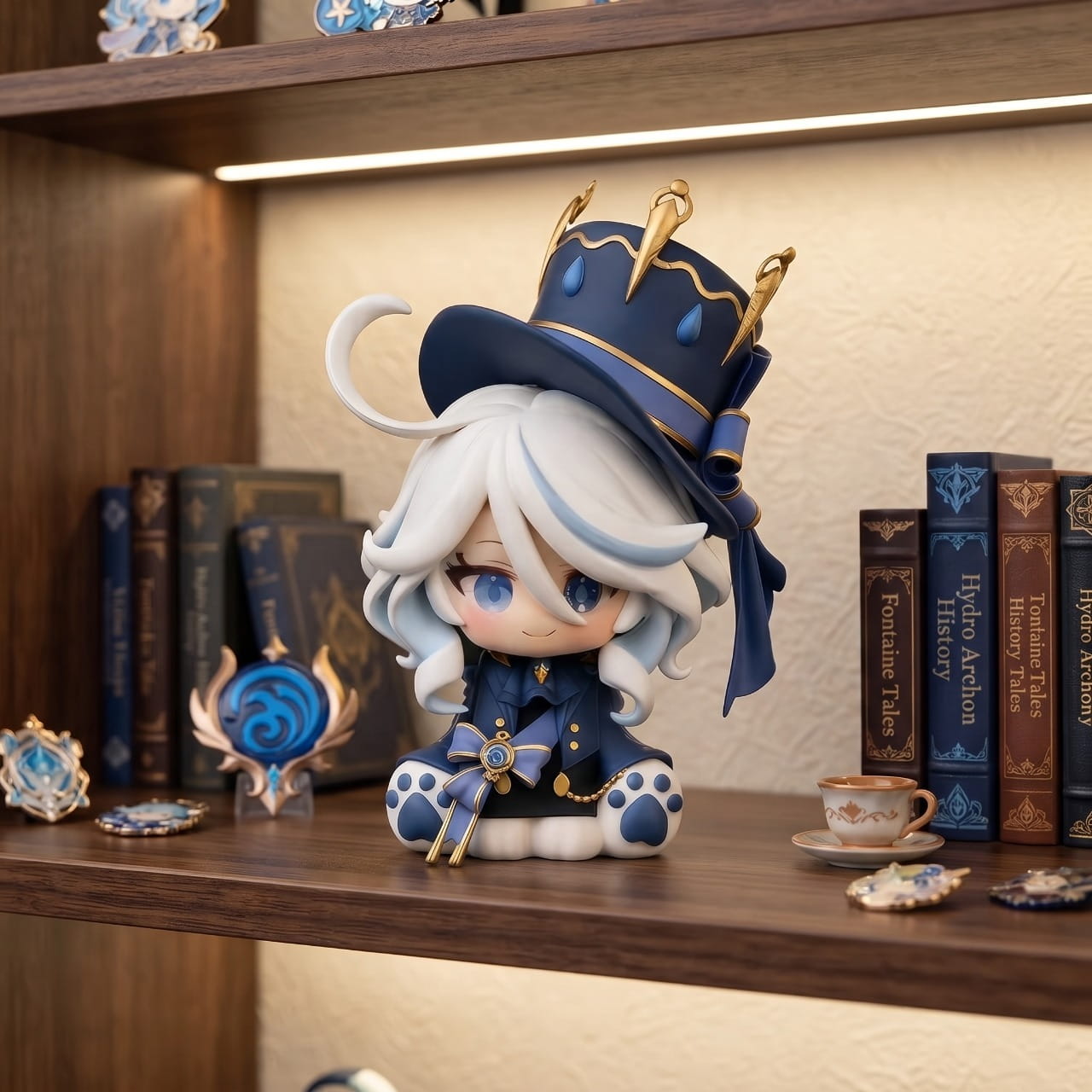
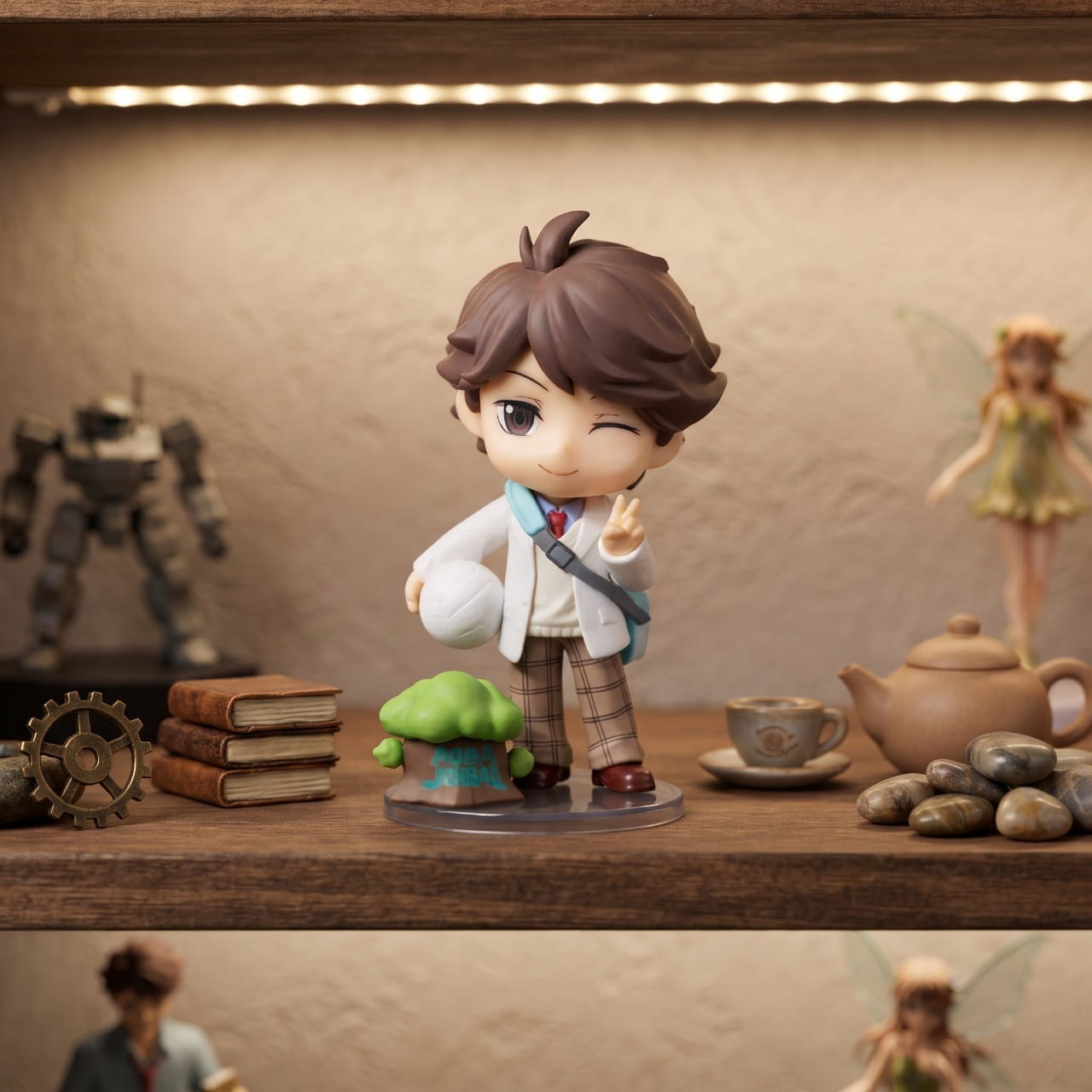
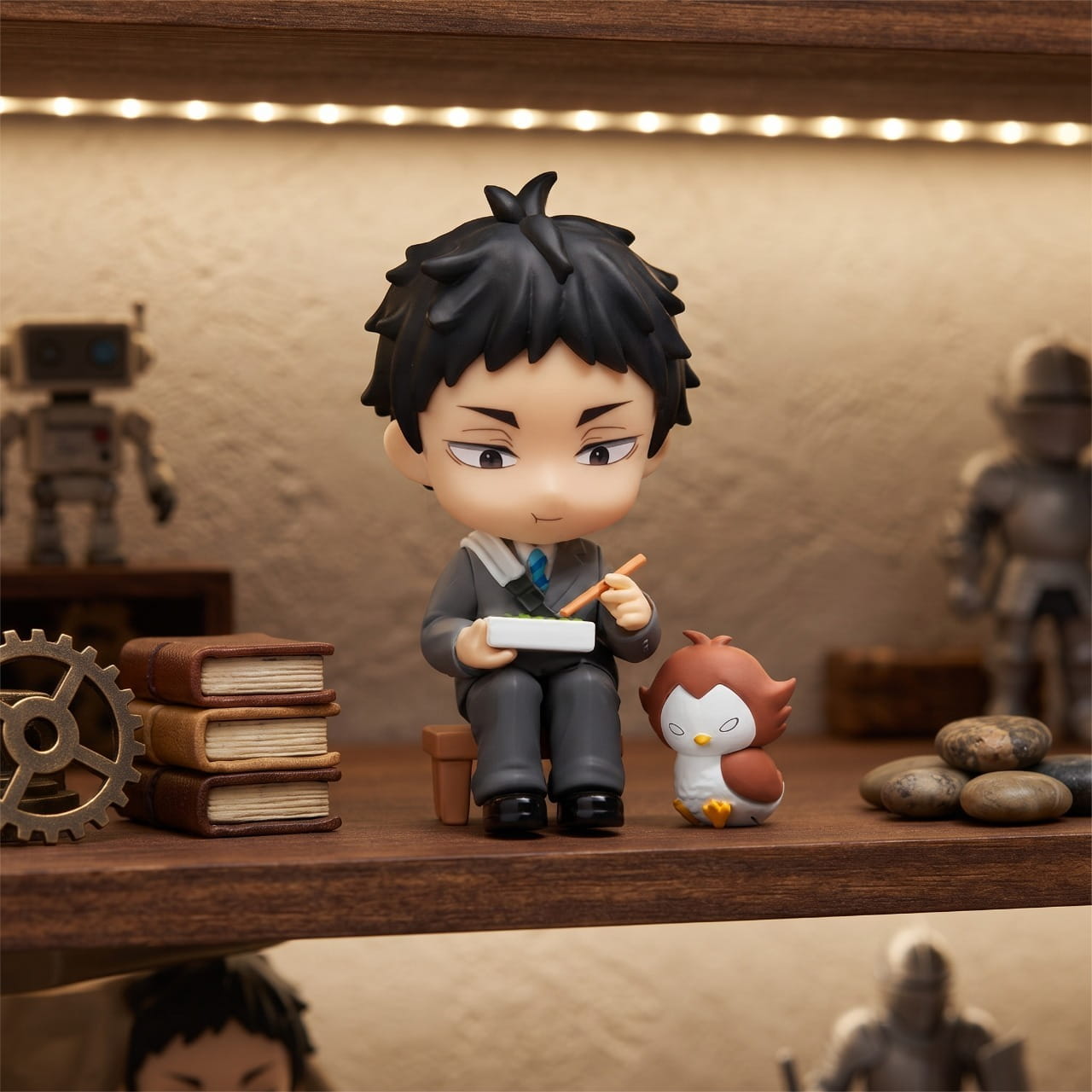
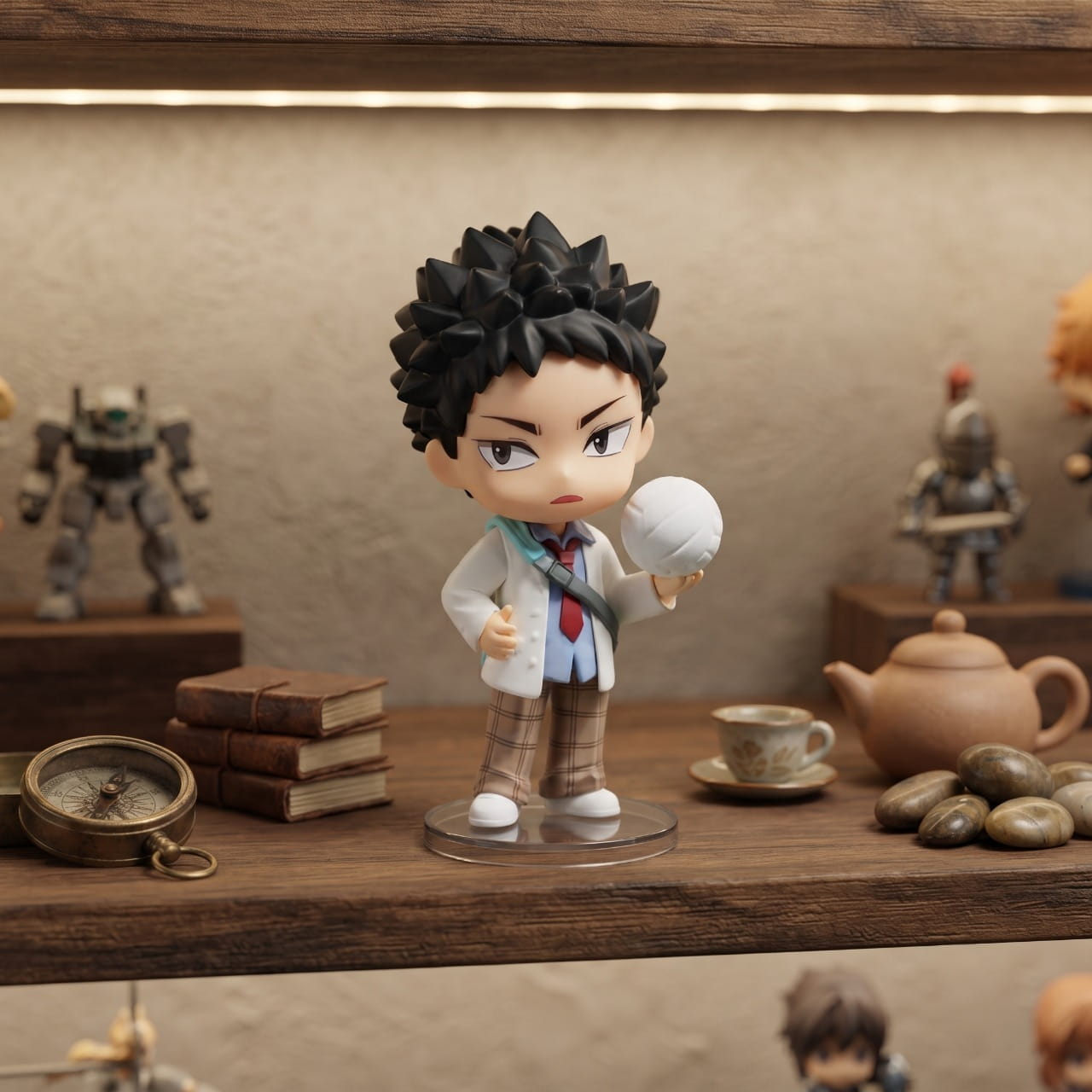
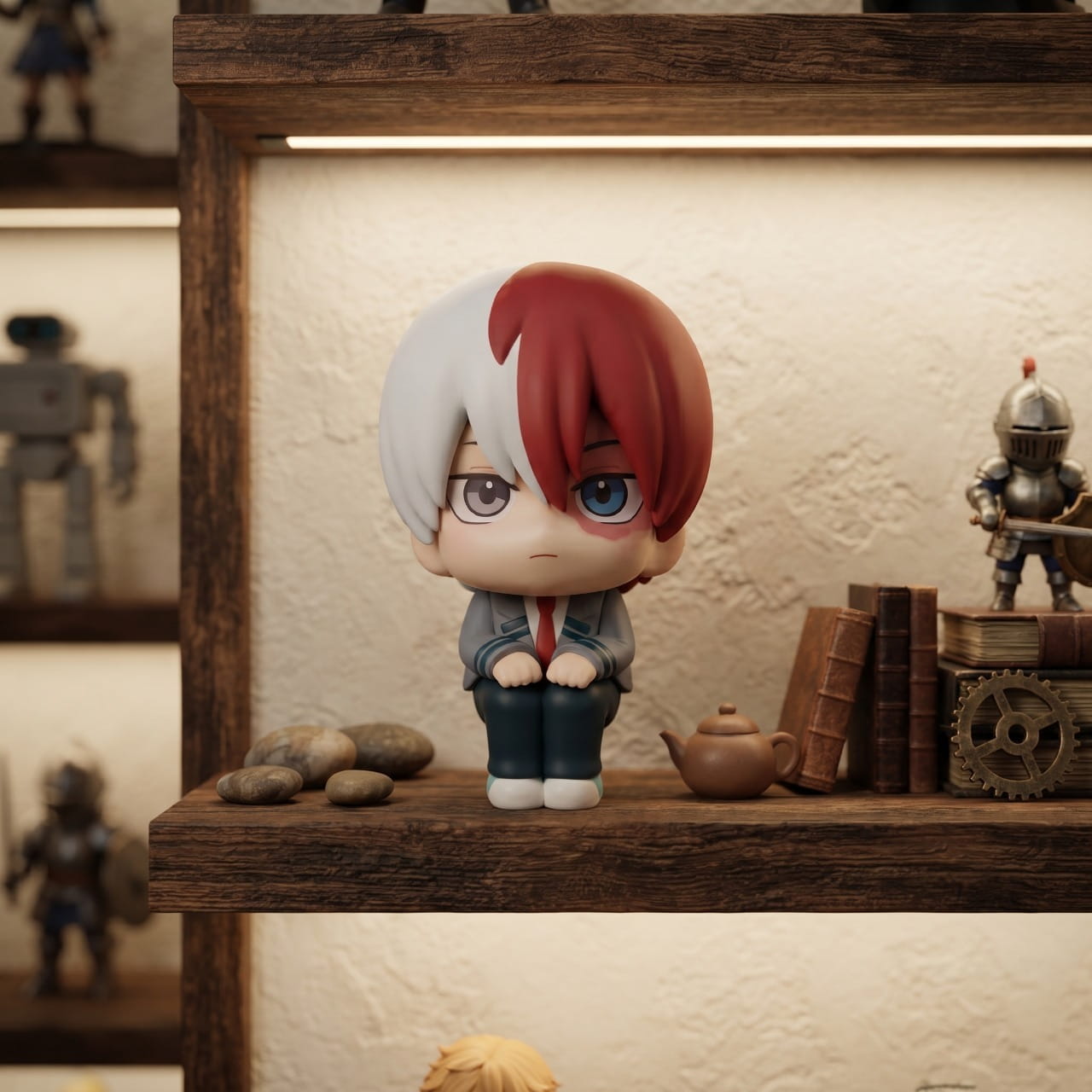
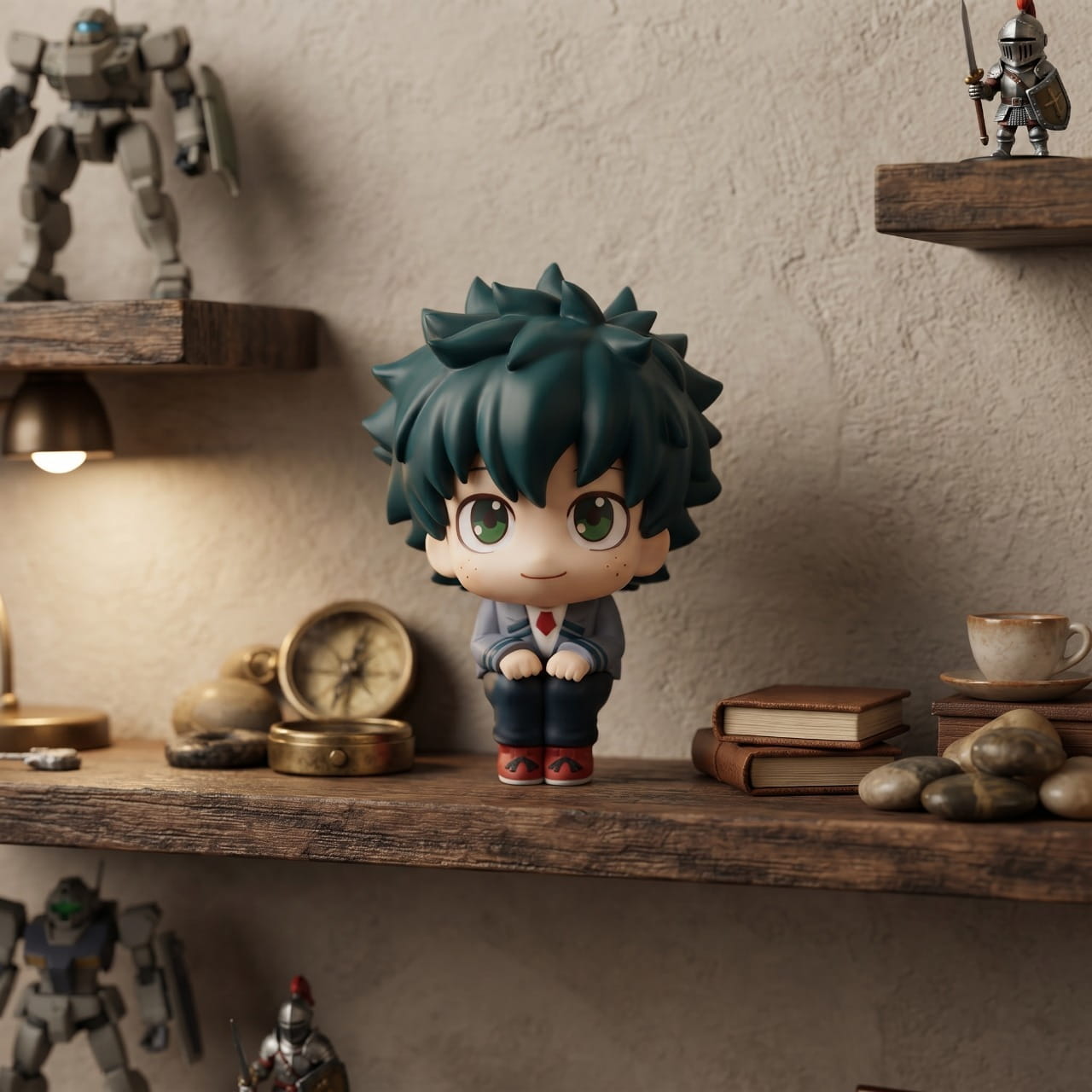
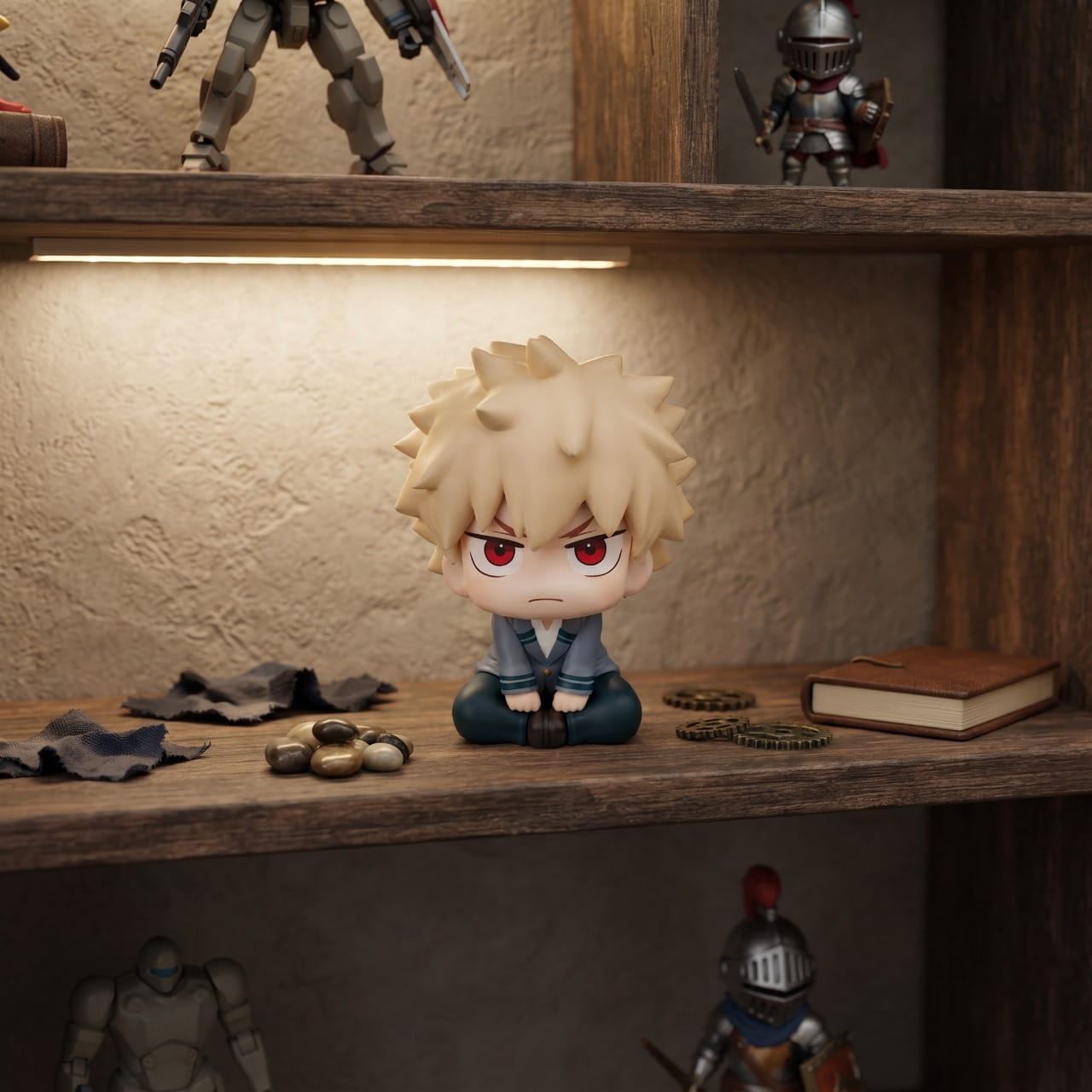
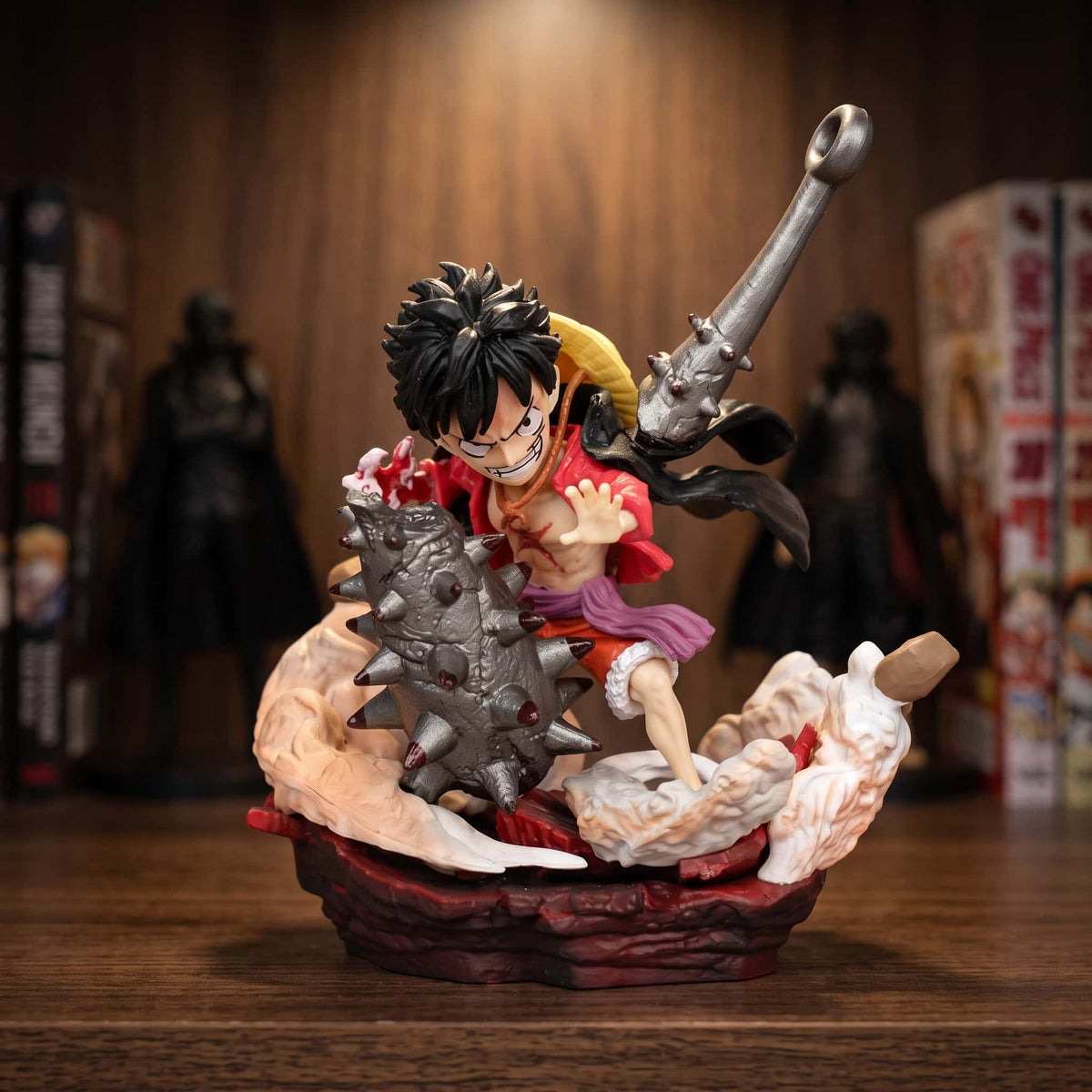
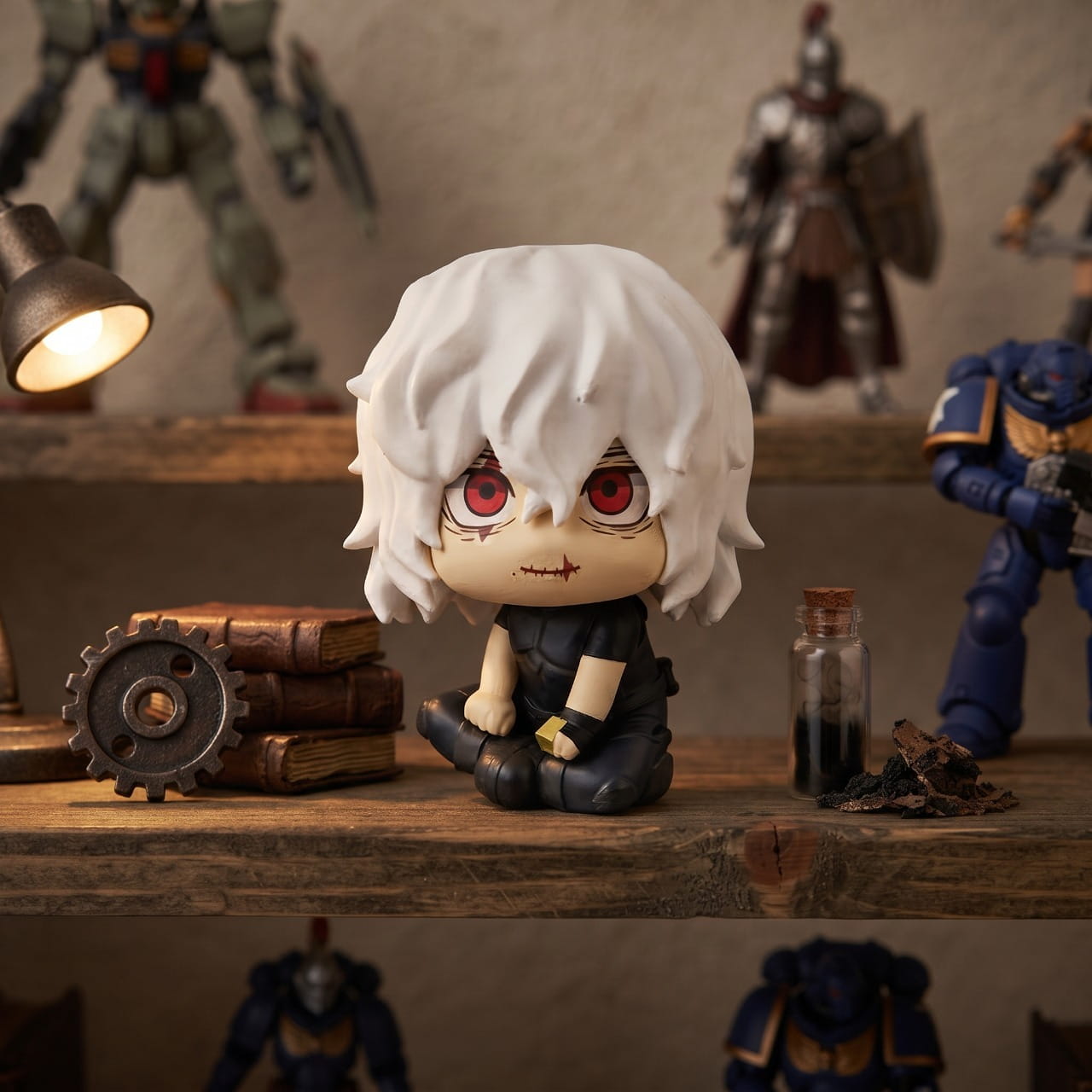
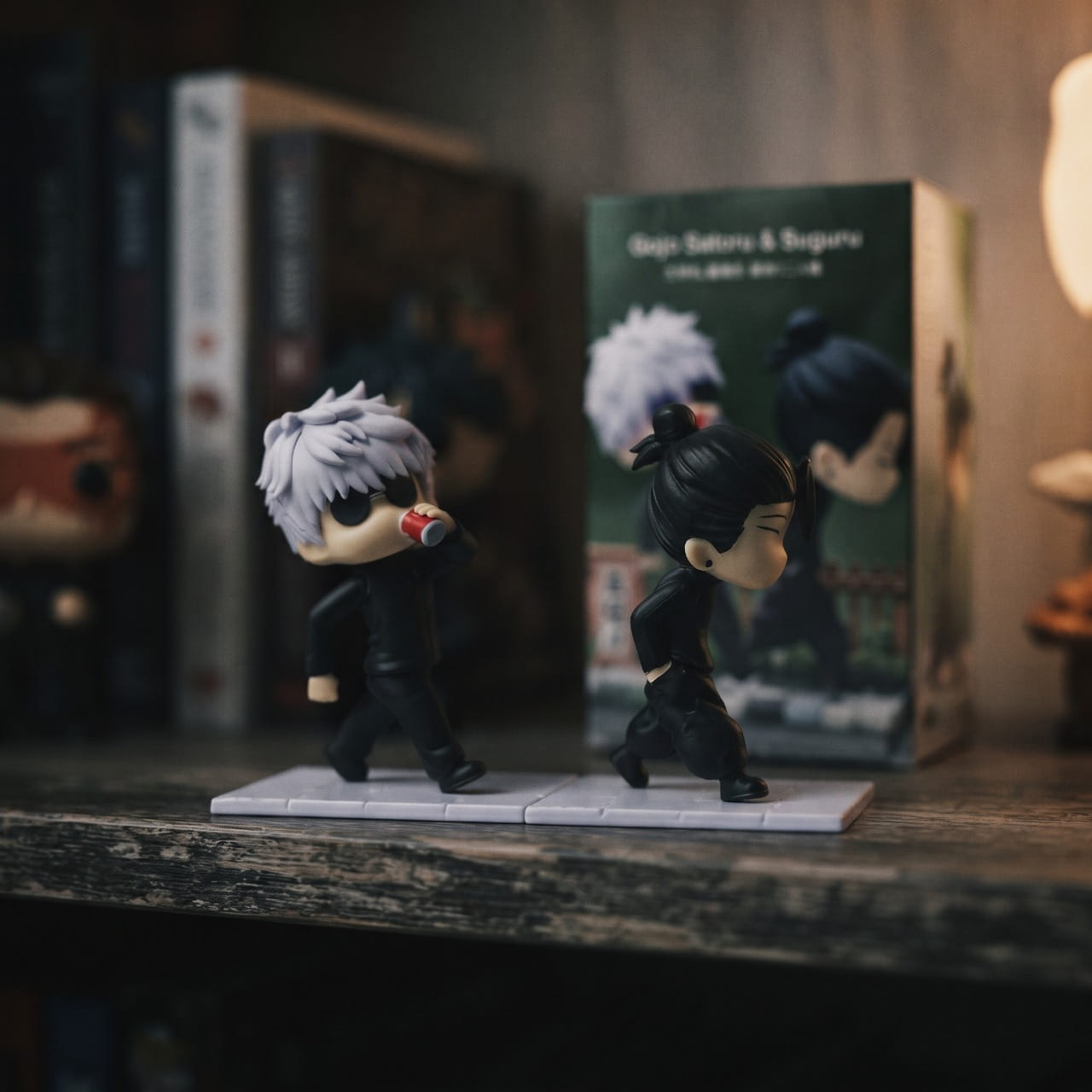
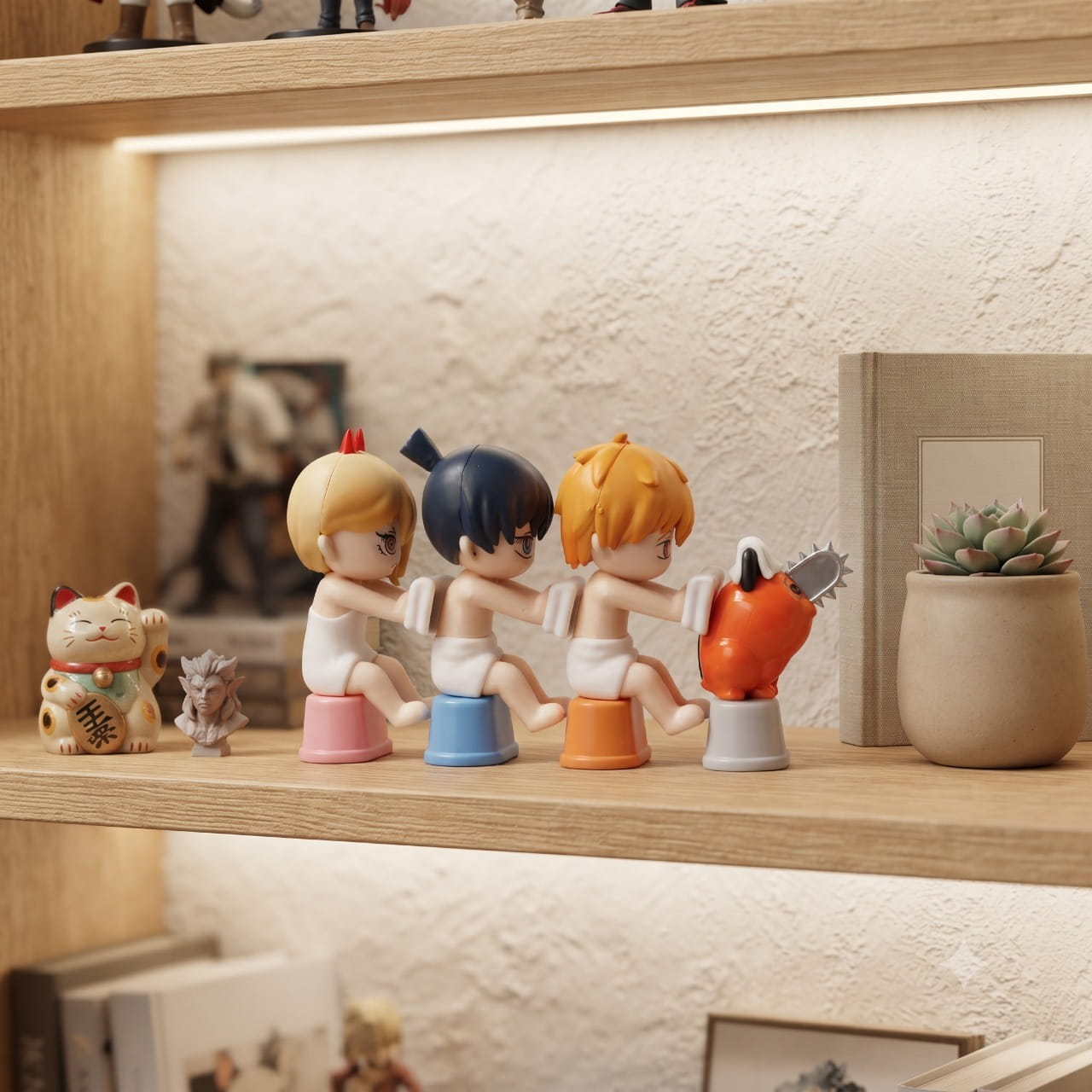
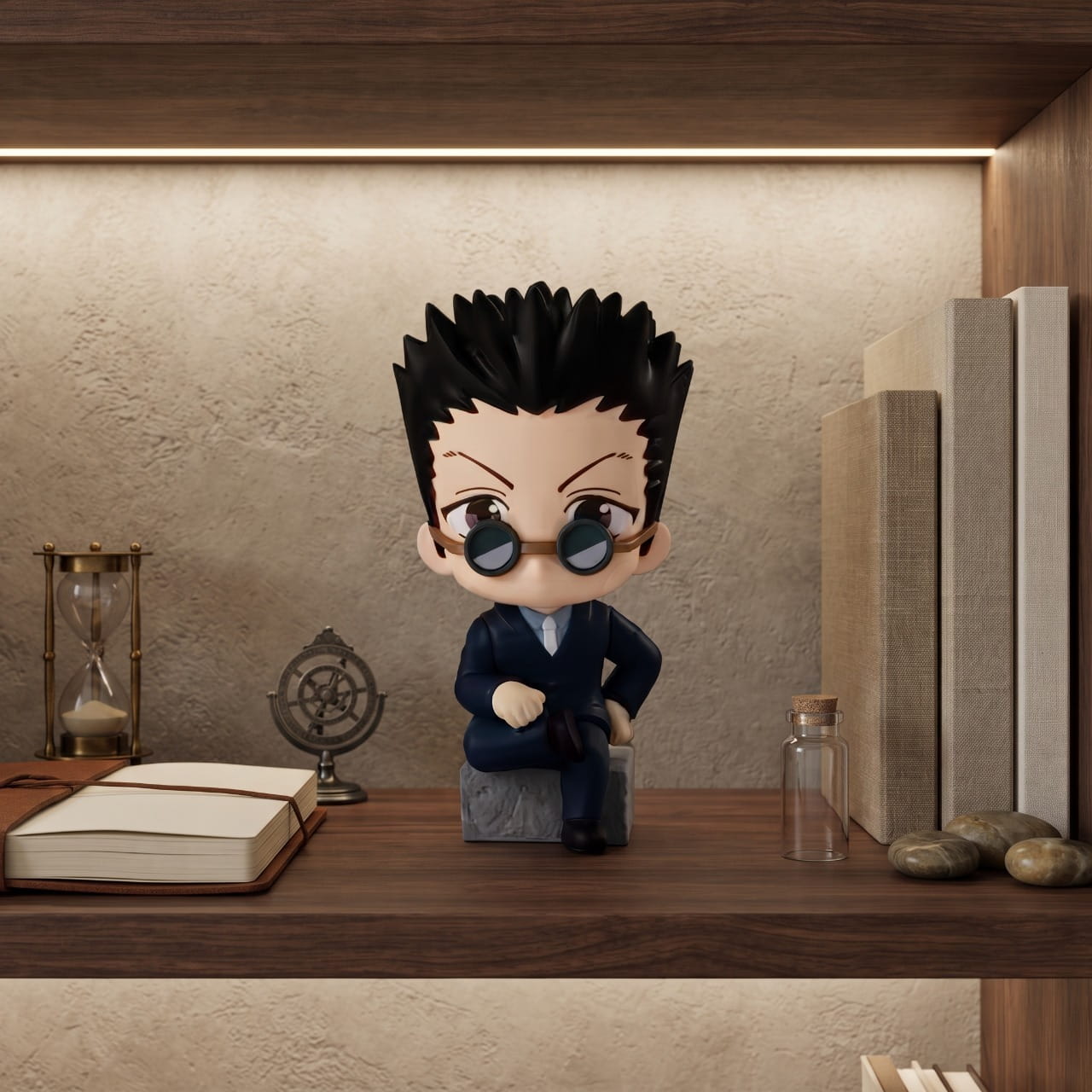
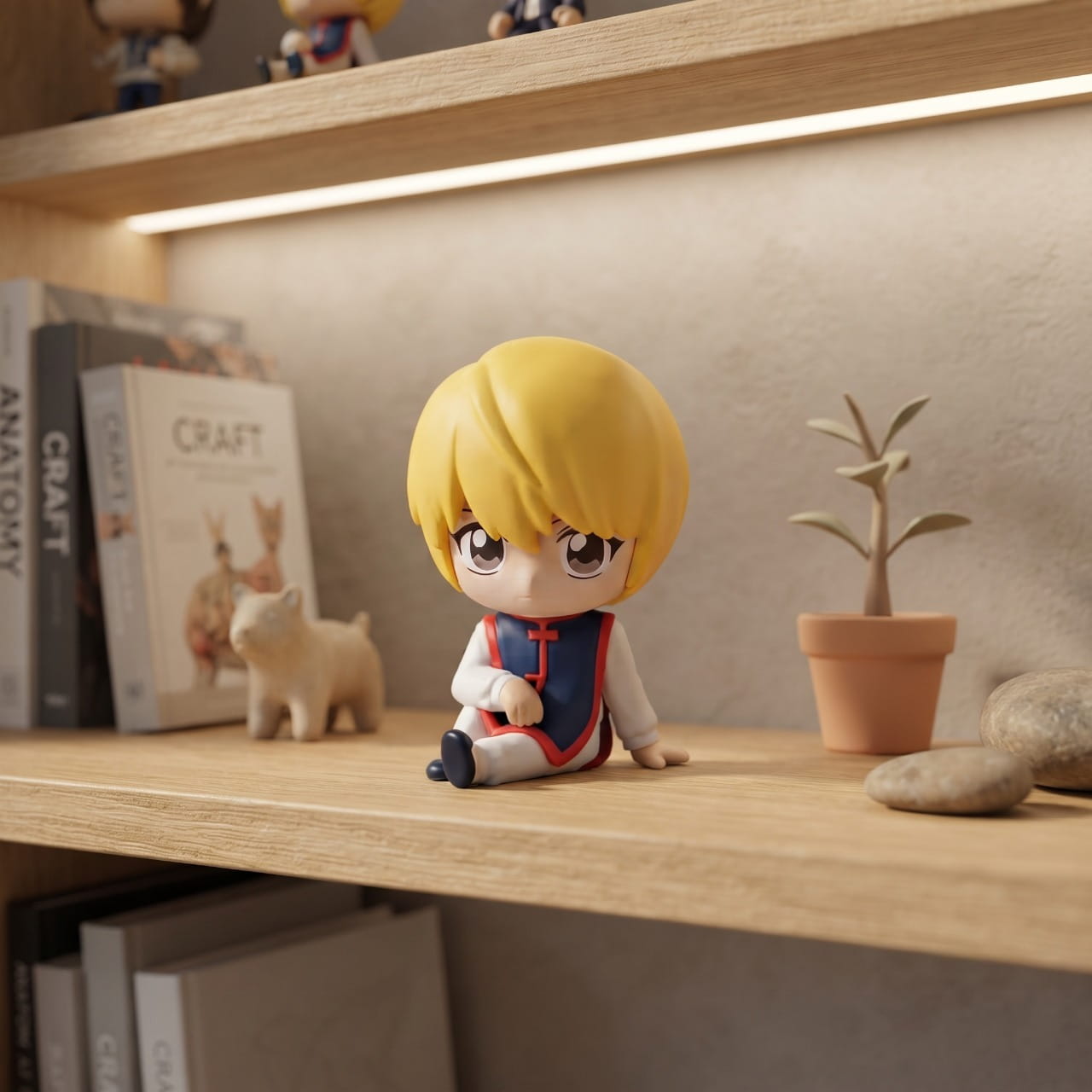
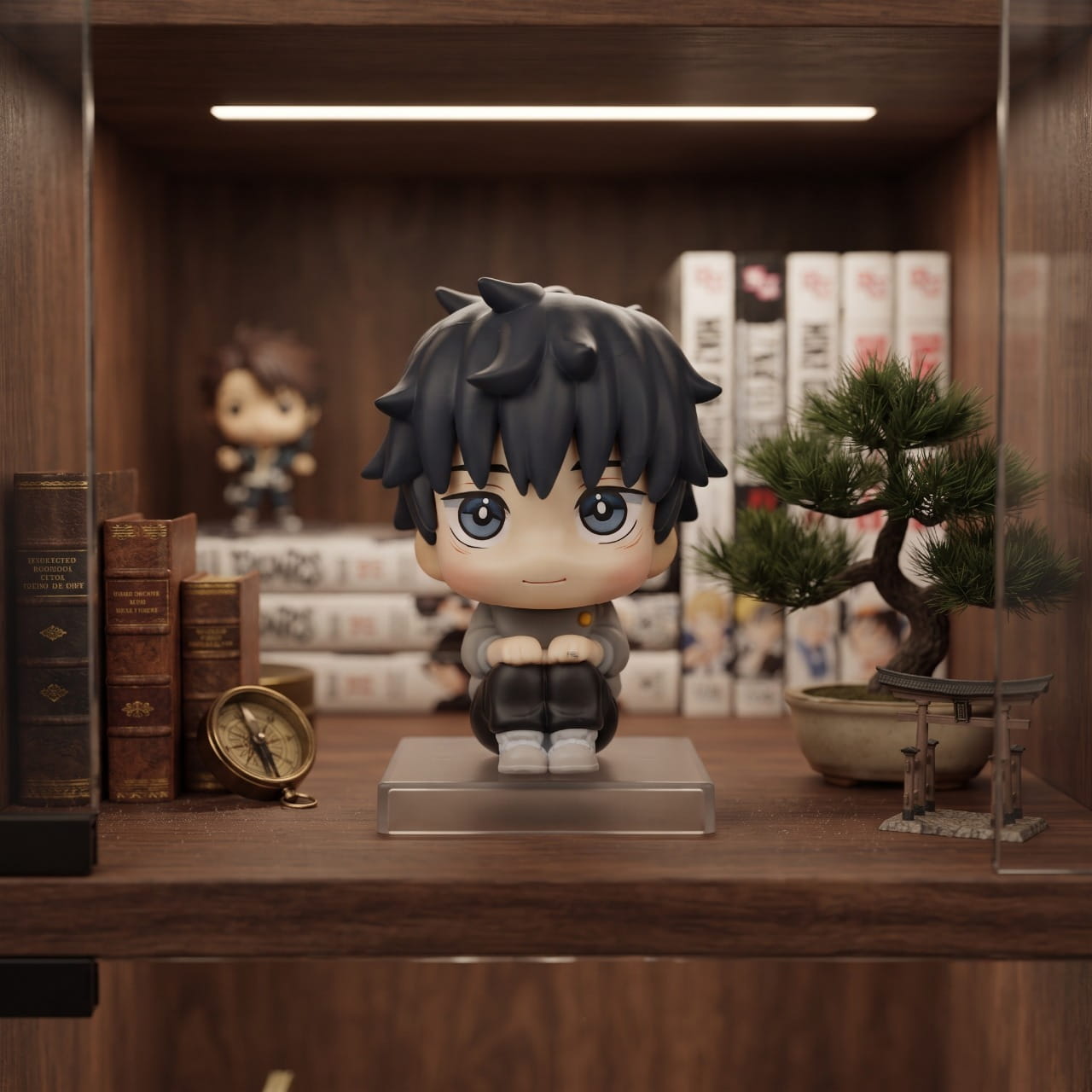
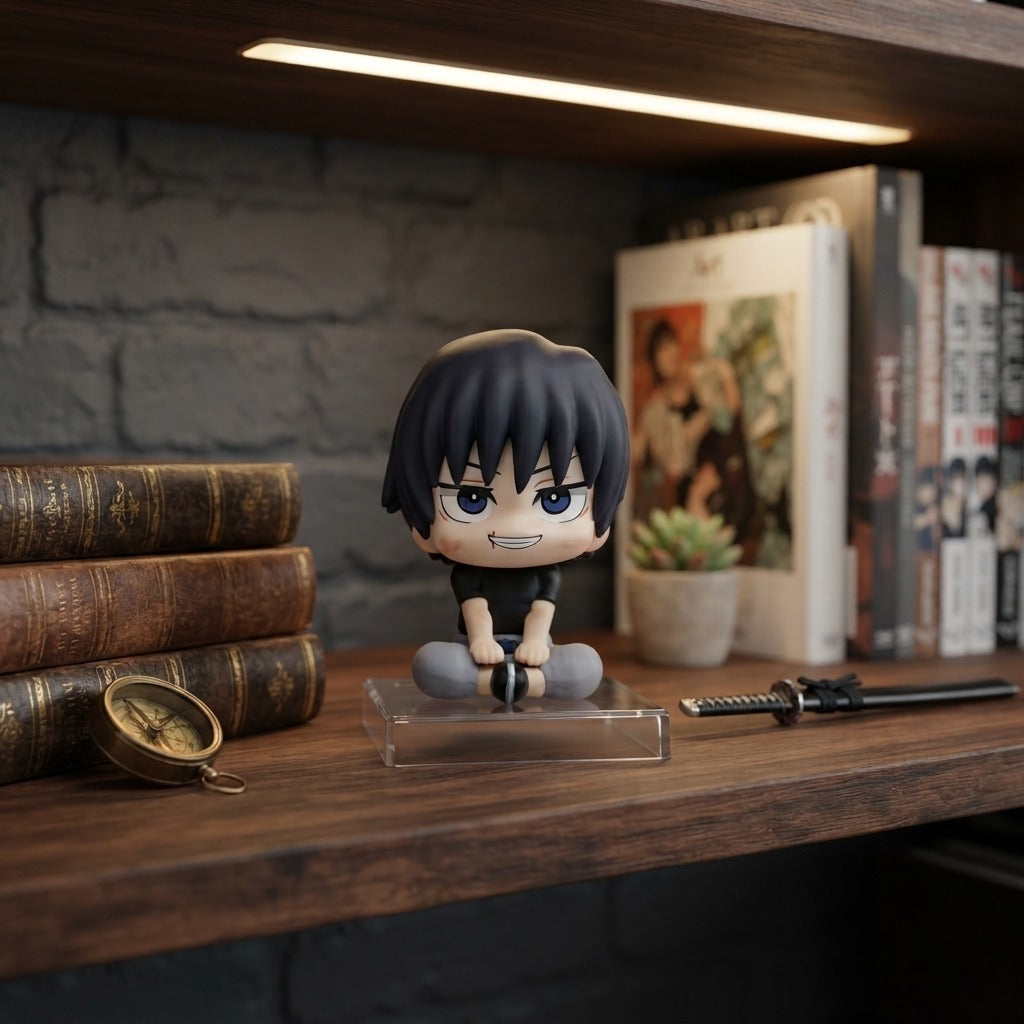
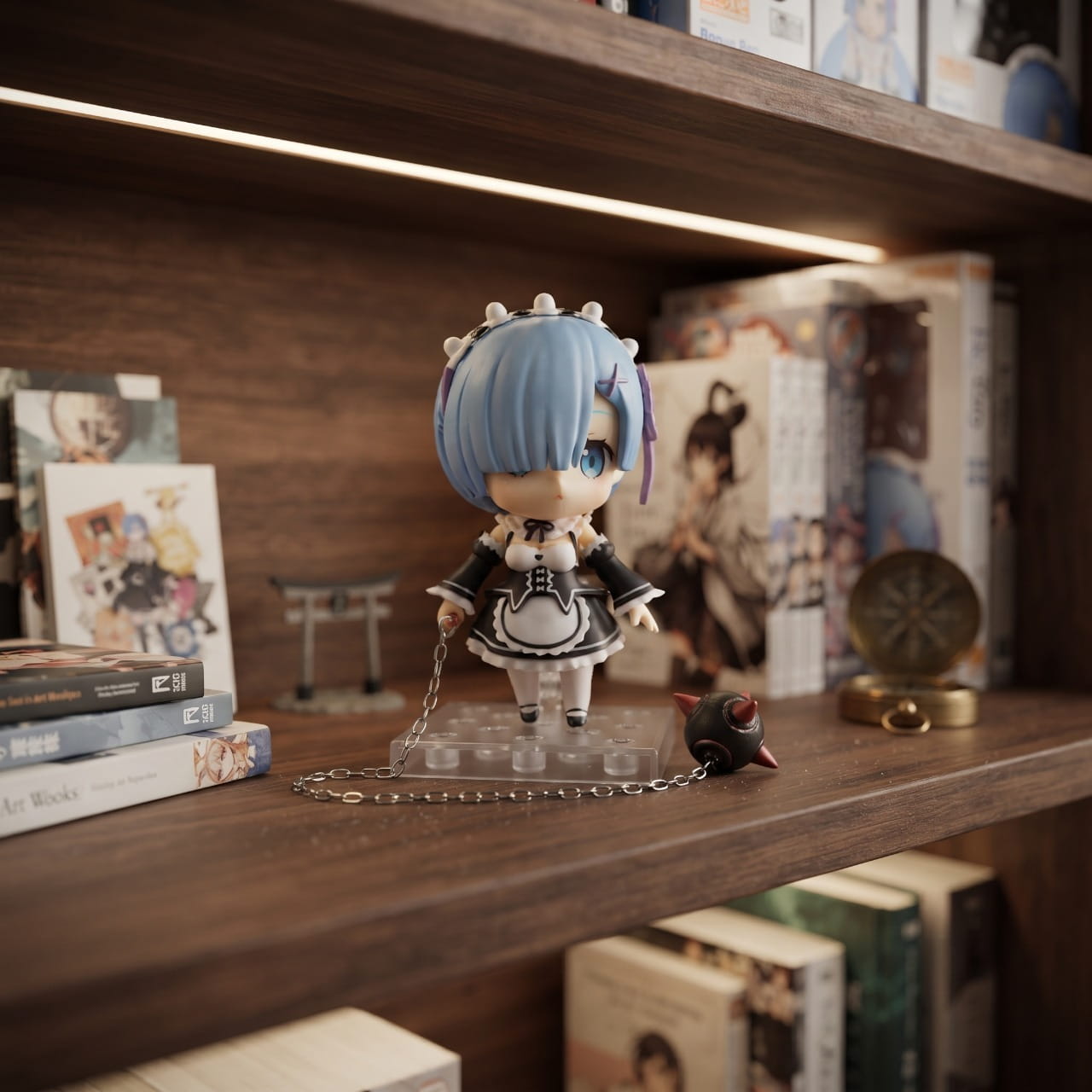
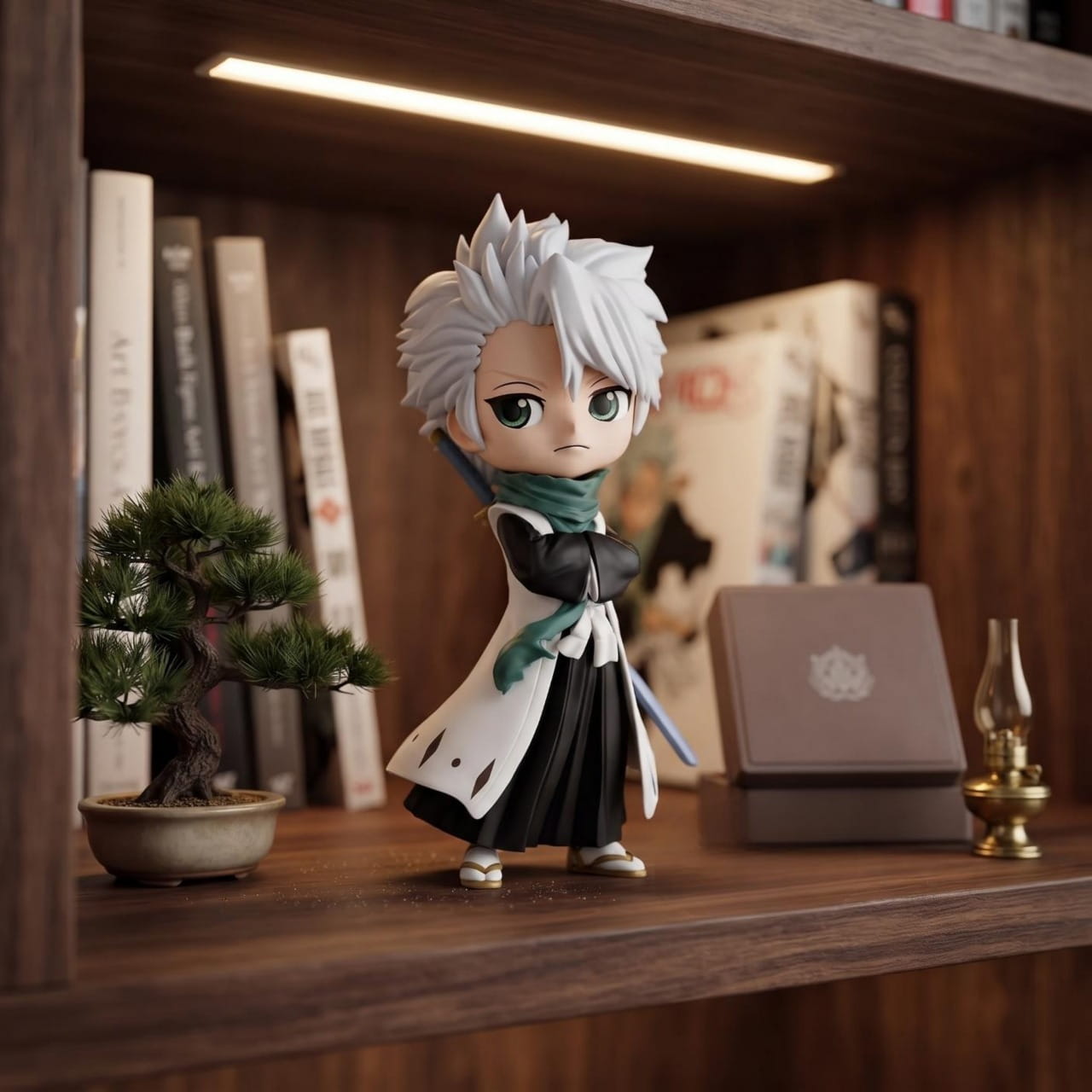
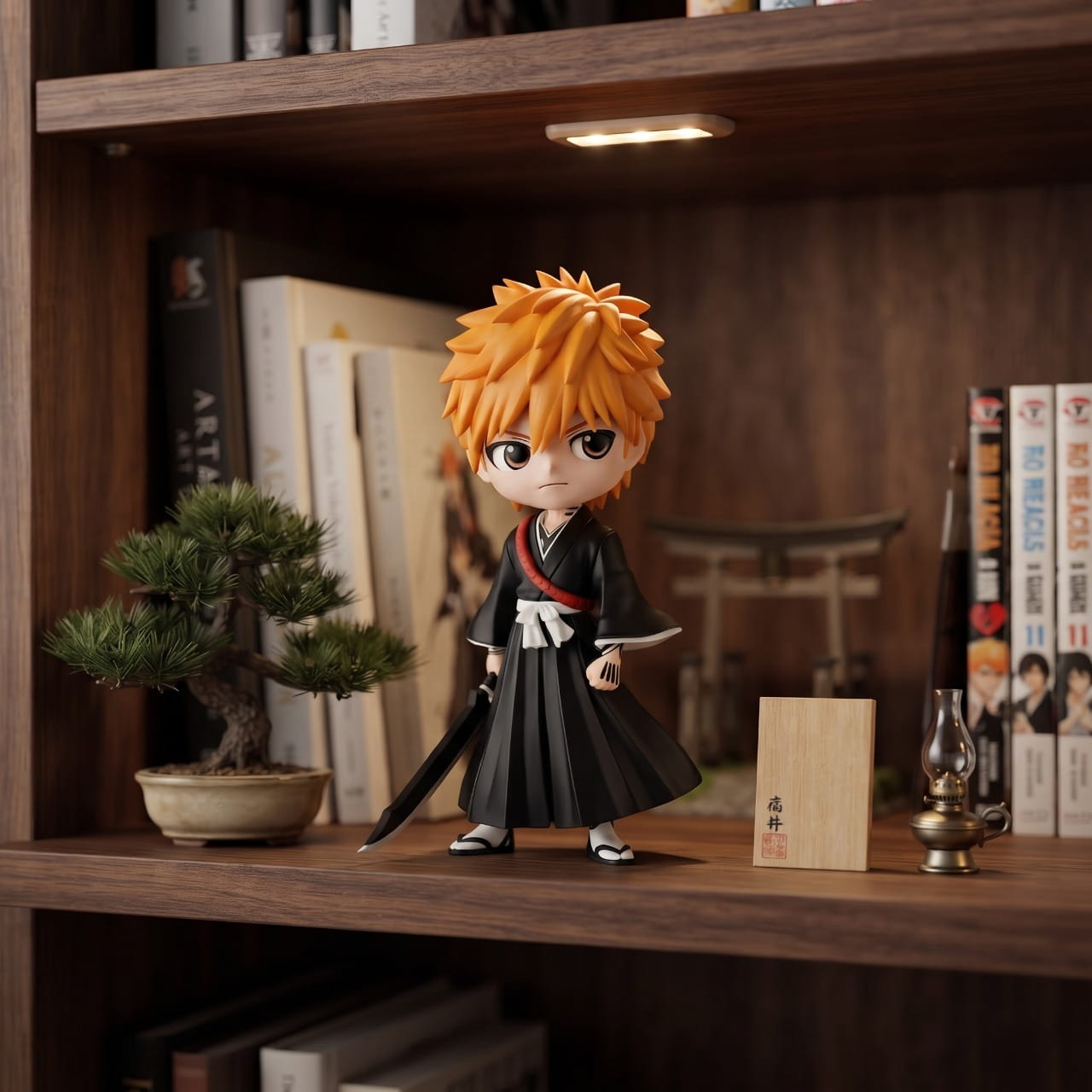
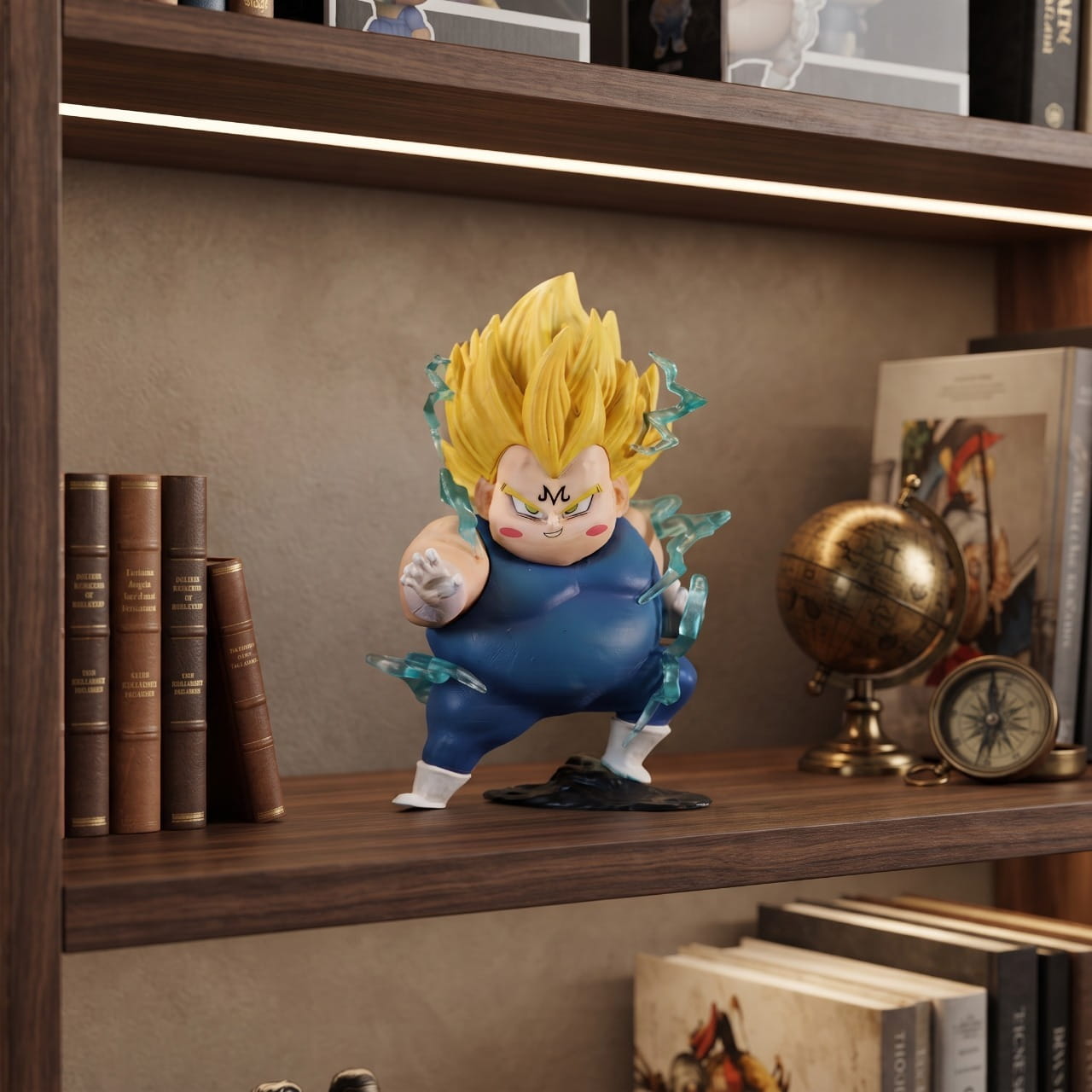
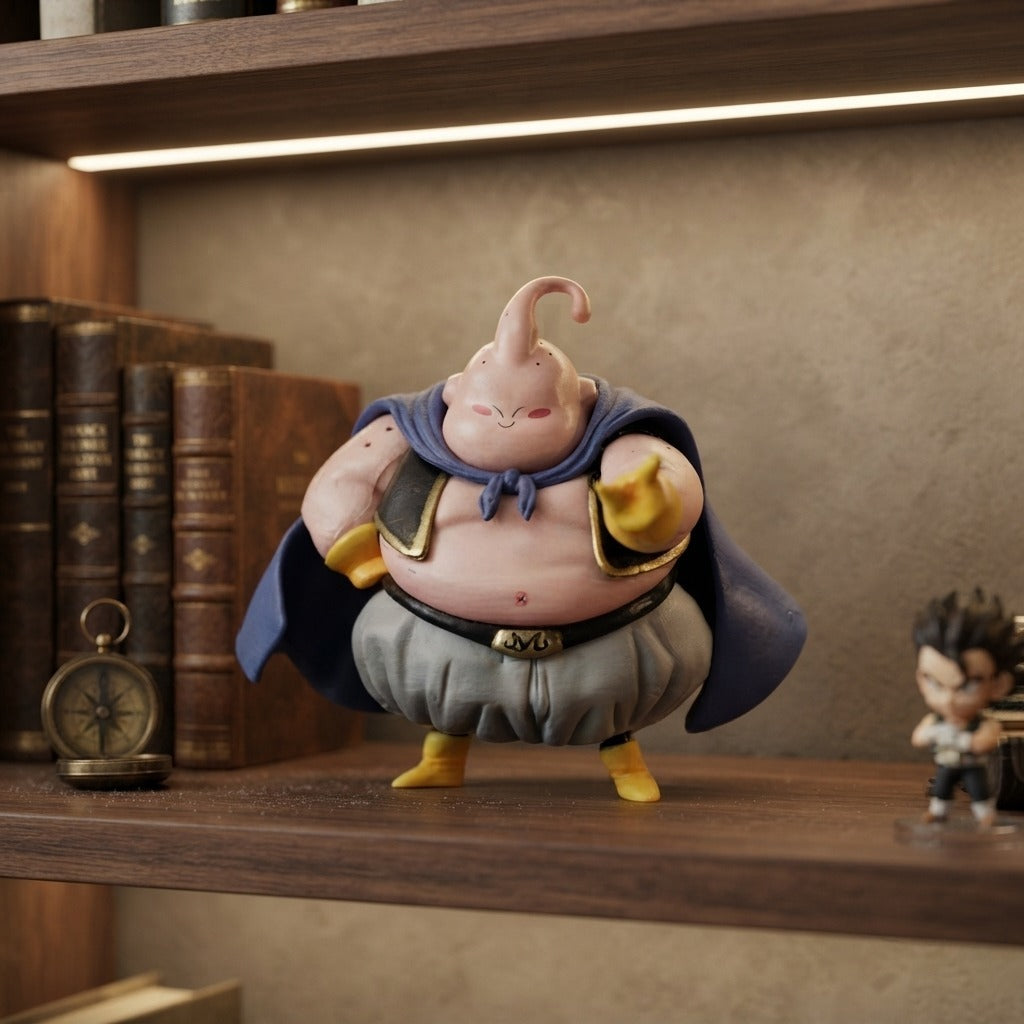
Chibi & Kawaii Figures — learn more
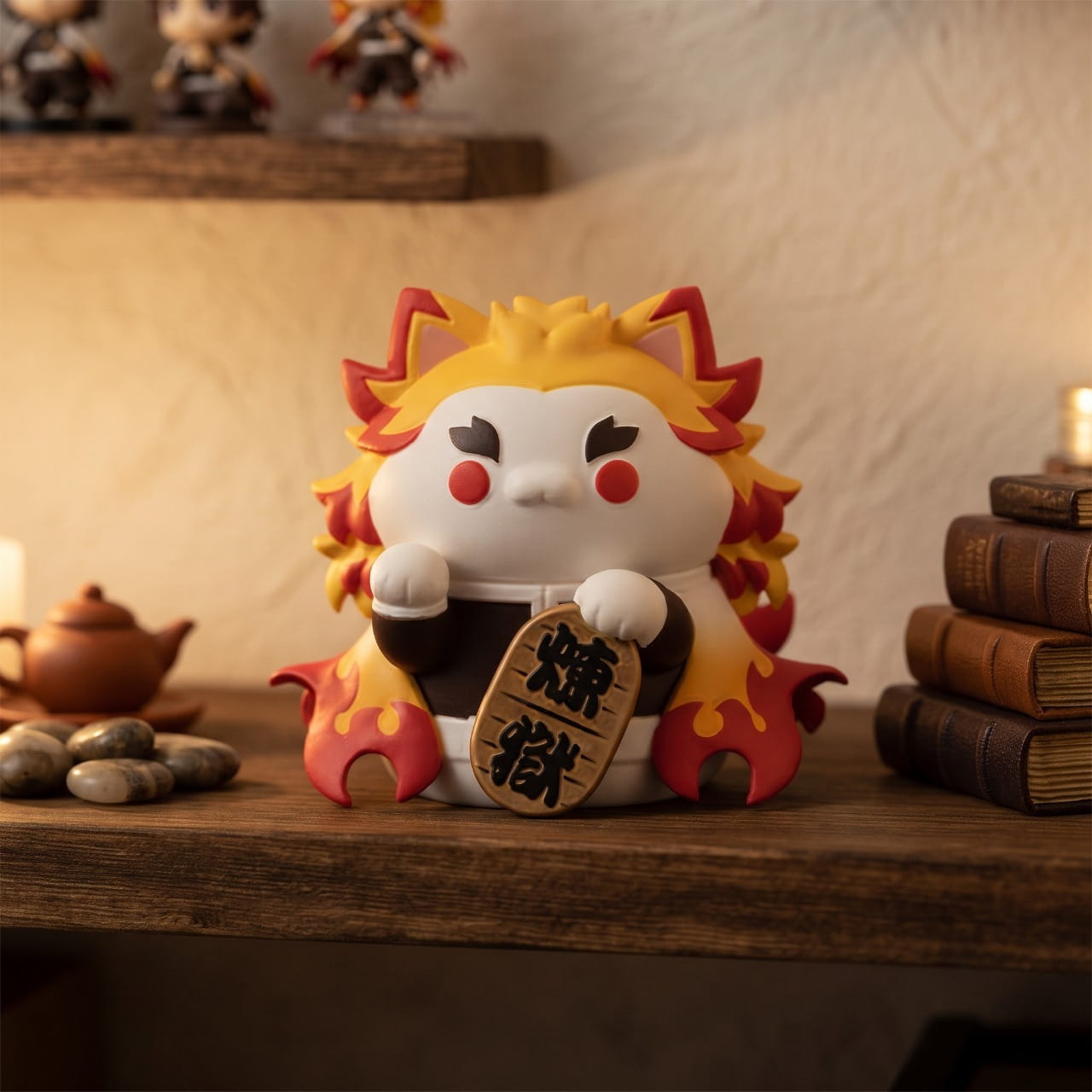
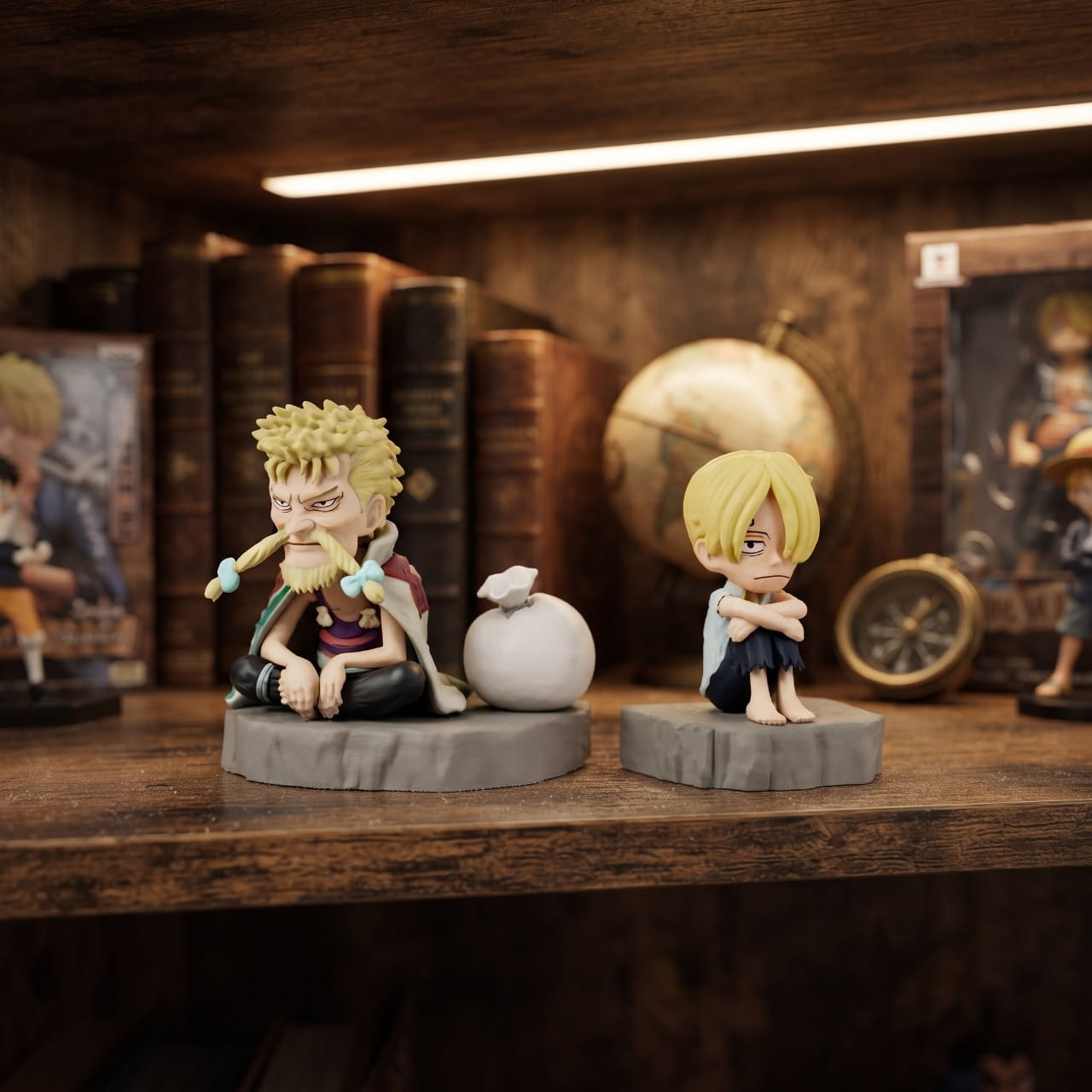
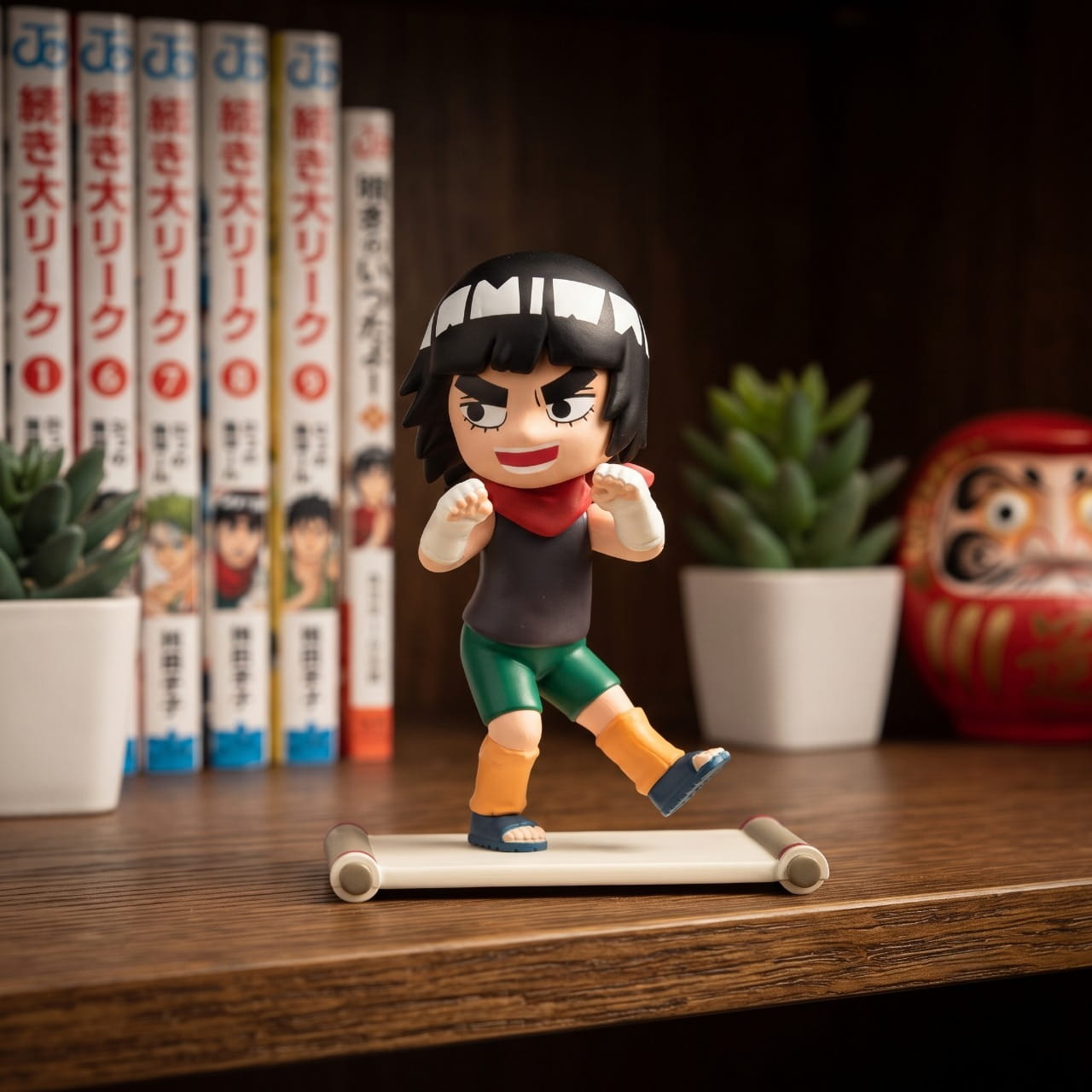
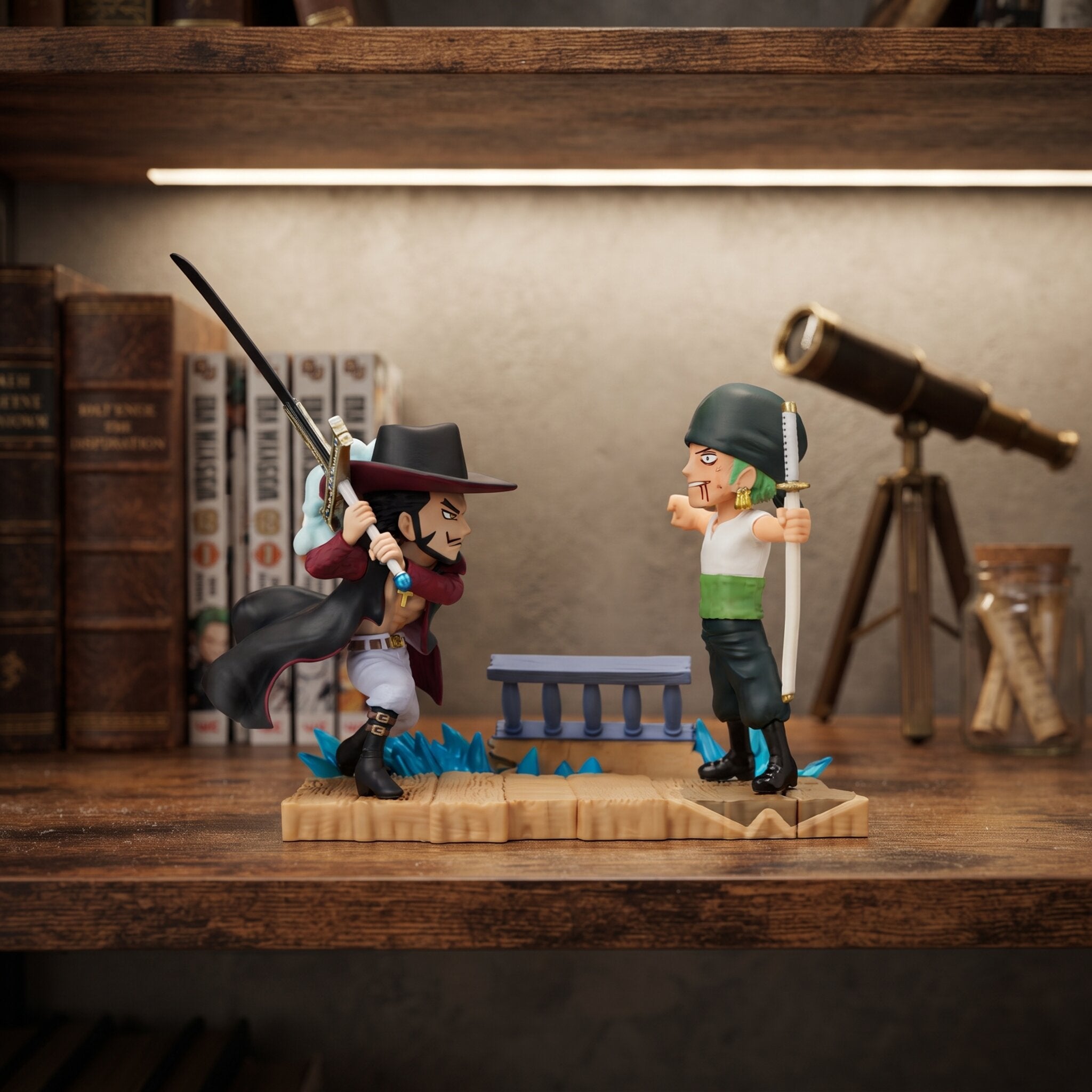
This department brings together 209 chibi figures across 12 universes, ranging from €13.40 to €94.90, with a median price of €29.90. It is the most affordable department in the shop, and the one where you can build a series without spending a month's salary.
Chibi, SD, Q version: one style, three names
The three words refer to the same thing. Chibi (ちび) means "small" in Japanese and has become the standard term in the West. SD is the abbreviation for super deformed, the technical term. Q version is the Chinese phrasing, which you may see on import packaging.
In any case, it is a choice of proportions: a head that is one-third to half of the total height, a reduced body, simplified hands, and enlarged eyes. It is not a classic figure just made smaller — it is a different sculpture.
What distinguishes a good chibi from a bad one
The trap of this format is that it is very unforgiving. On a 30 cm figure, an imperfect face is lost in the rest of the detail; on a 10 cm chibi where the head makes up half of the size, the face is the piece.
What we look at, in order: the symmetry of the eyes, which immediately betrays a worn-out mold; the sharpness of the hairline, where the paint bleeds the most often; and the balance on the base, because a big head on a small body requires a precisely calculated counterweight.
Where this style comes from
The deformation is not a marketing invention. It comes from gag manga, where authors would switch a character to a simplified version for the duration of a panel to signal that they were stepping out of a serious tone. A hero who messes something up would shrink; the reader understood without it needing to be explained.
The process then became autonomous: series used it for their opening credits, their merchandise, and their special editions — until it became a style in its own right, with its own sculptors and its own codes.
This explains the tone of the department. A chibi doesn't try to impress: it is made to be endearing, and that is a different sculpting objective.
The 12 chibi universes
- Demon Slayer (48 pieces)
- One Piece (46 pieces)
- Naruto (36 pieces)
- Haikyū (18 pieces)
- Jujutsu Kaisen (15 pieces)
- other licenses (11 pieces)
- Dragon Ball (10 pieces)
- Chainsaw Man (7 pieces)
- My Hero Academia (6 pieces)
- Hunter x Hunter (5 pieces)
- Bleach (4 pieces)
- Solo Leveling (3 pieces)
The format for gift-giving
This is the department to turn to for a gift, for three concrete reasons.
The entry price. At €13.40, you can give a gift without a major commitment — useful when you aren't certain of the person's tastes.
Limited risk. A chibi fits anywhere: on a desk, a bedroom shelf, a ledge. A 40 cm statue requires a specific spot, which is a decision you shouldn't have to make for someone else.
Immediate recognition. The format exaggerates distinctive traits — hair color, a scar, a costume. Even someone who follows the series casually identifies the character at a glance, which is not guaranteed with a realistic sculpture seen in profile.
Why this format works on a shelf
A chibi takes up about a quarter of the volume of a classic figure for comparable visual impact, because the head — and therefore the face and the character — remains the same size.
It is also the perfect format for series. Lining up the nine Hashira from Demon Slayer in chibi form fits on a bookshelf; with 25 cm classic figures, you would need a whole cabinet. And the collector effect is in full force: five chibi lined up tell more of a story than two beautiful, isolated pieces.
Prices, from €13.40 to €94.90
The median price is €29.90, making this the entry-level department of the shop. The most expensive pieces are sets and bundles — several characters at once — or large-sized chibis, around 20 cm, which step outside the pocket-sized format.
This is the department where you can give a gift without breaking the bank, and where you can start a collection.
What you will find in this department
Main characters, primarily. The chibi format works well for recognizable faces: Tanjiro and Nezuko, Luffy and the crew, Naruto and Sasuke, Gojo and Sukuna, Hinata and Kageyama.
Sitting poses and accessories. A good portion of the department features characters sitting, lying down, or holding an object — a bowl of ramen, a ball, a miniature sword. These are sculptures designed to be seen up close.
Bundles by team or by arc. This is where the format really makes sense.
Mixing chibis and classic figures
The two styles do not coexist well in a disorganized mess, but they work very well in groups. The rule that works: do not mix them on the same line. One shelf for chibis, one shelf for realistically proportioned figures, and the contrast becomes a deliberate aesthetic choice rather than an accident.
If you only have one shelf, group them by style at opposite ends rather than alternating them.
Frequently asked questions
How big is a chibi?
The bulk of the department is between 8 and 12 cm.
A few pieces go up to 20 cm. The height is always indicated on the product page, base included.
Is this suitable for a child?
These are collector's items, not toys:
small parts, removable bases, fragile paint. We do not recommend them for young children.
Are chibis less well-finished?
No, but defects are more visible on them. The format focuses attention on the face, so approximate paint work stands out where it might go unnoticed on a large piece.
Can I complete a series later?
For well-stocked licenses —
Demon Slayer, One Piece, Naruto — the selection is regularly refreshed. For smaller ones, an out-of-stock piece does not always return.
To explore further: our realistically proportioned figures, our stands and display cases for aligning them, and our phone cases for the same series on the go.