
Filters
542 products
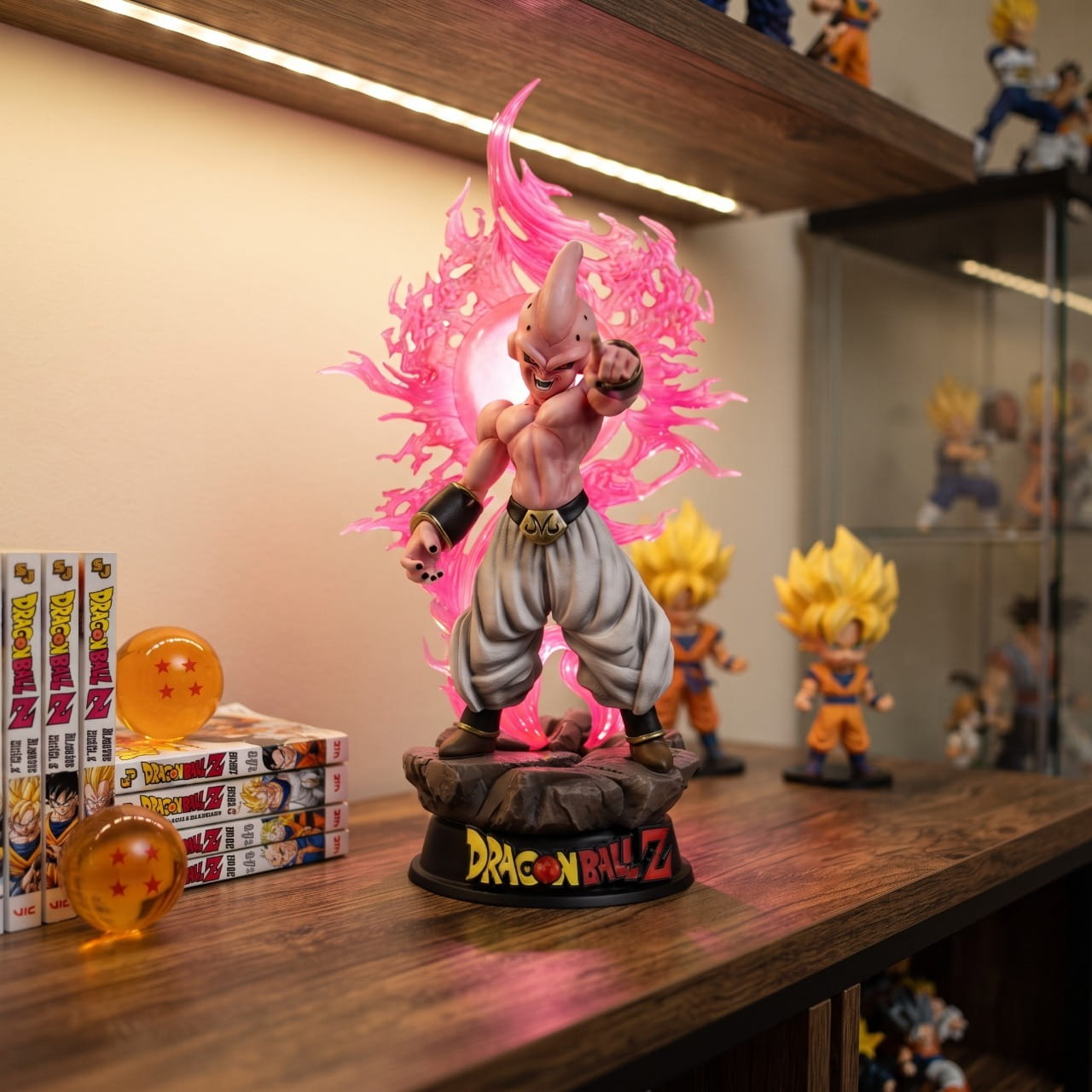
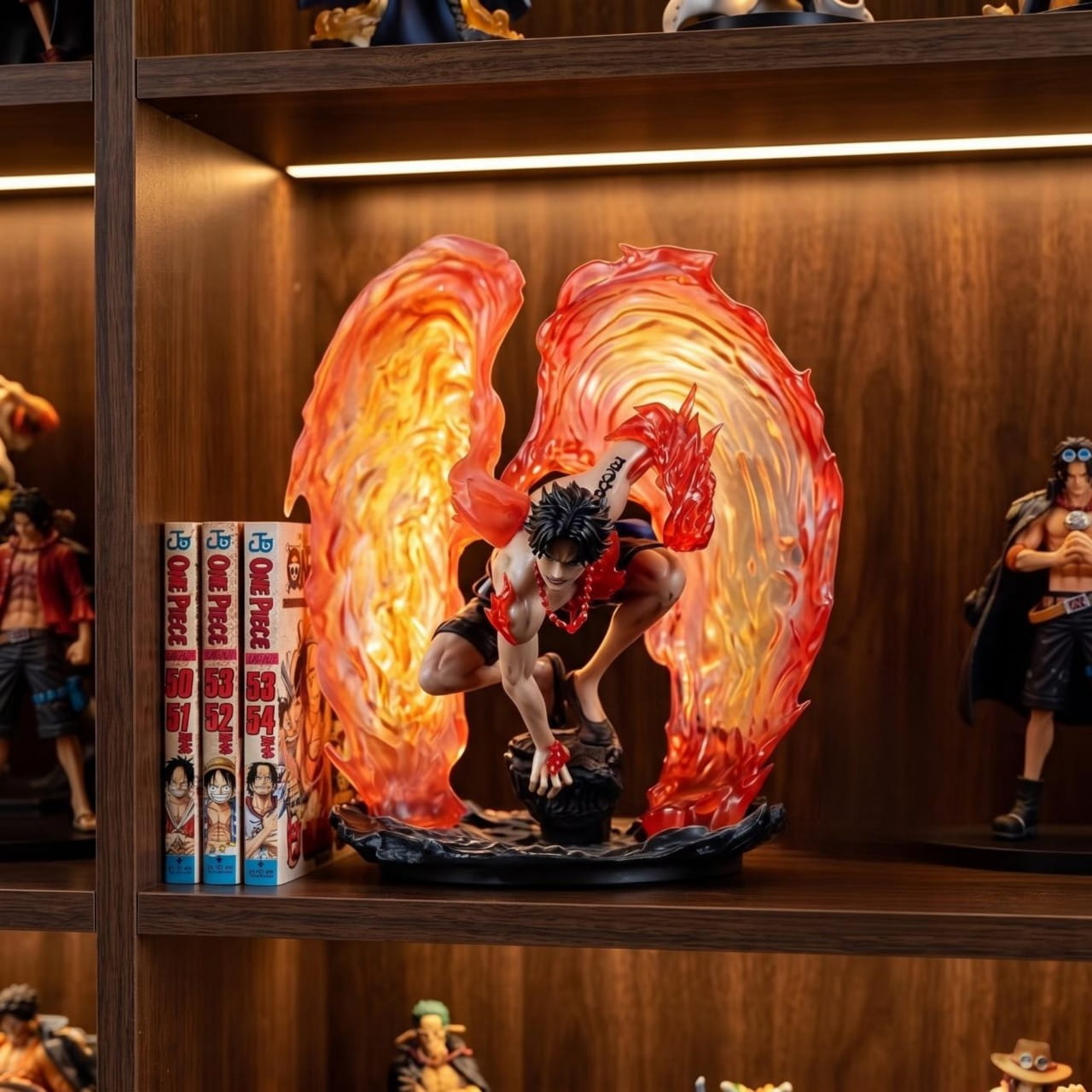
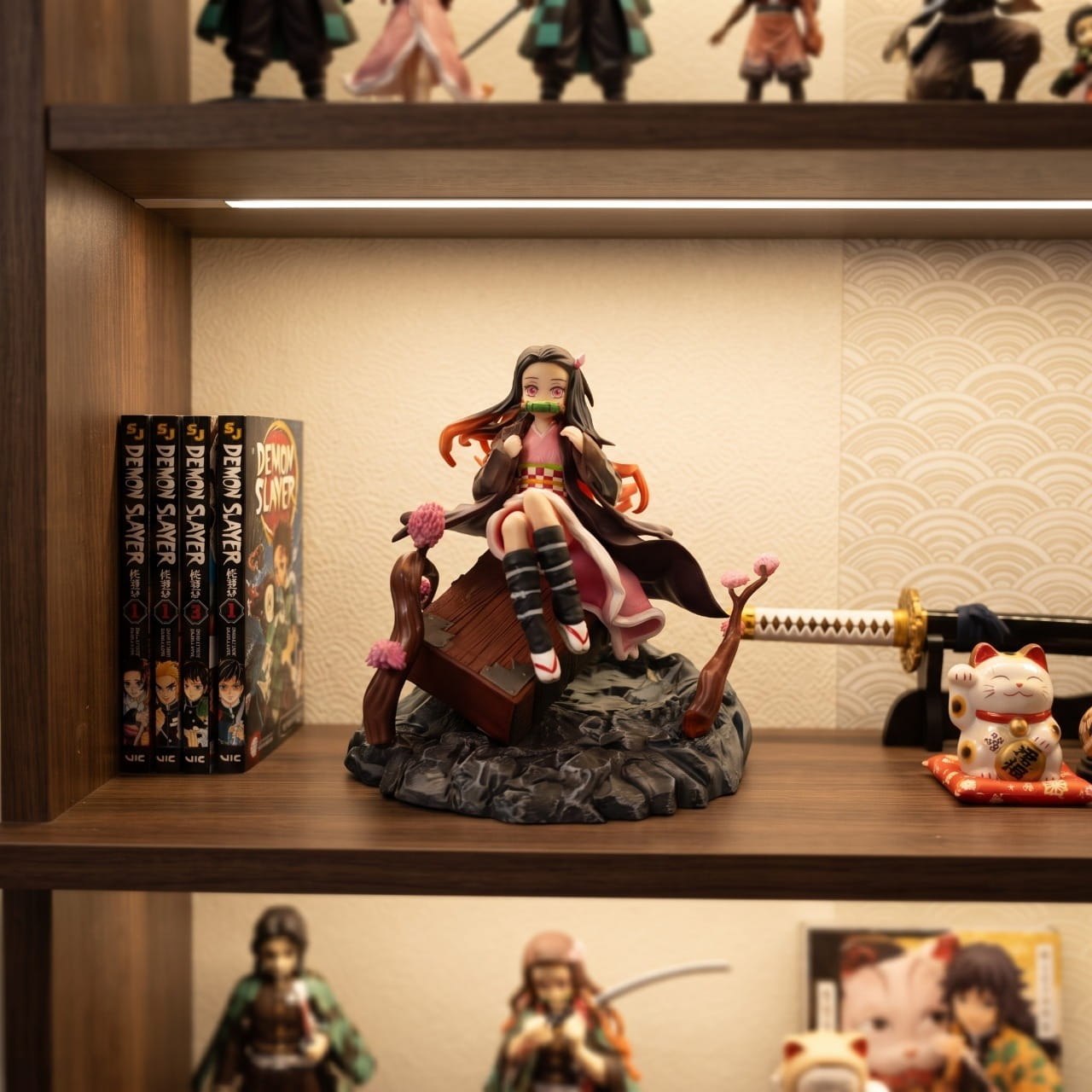
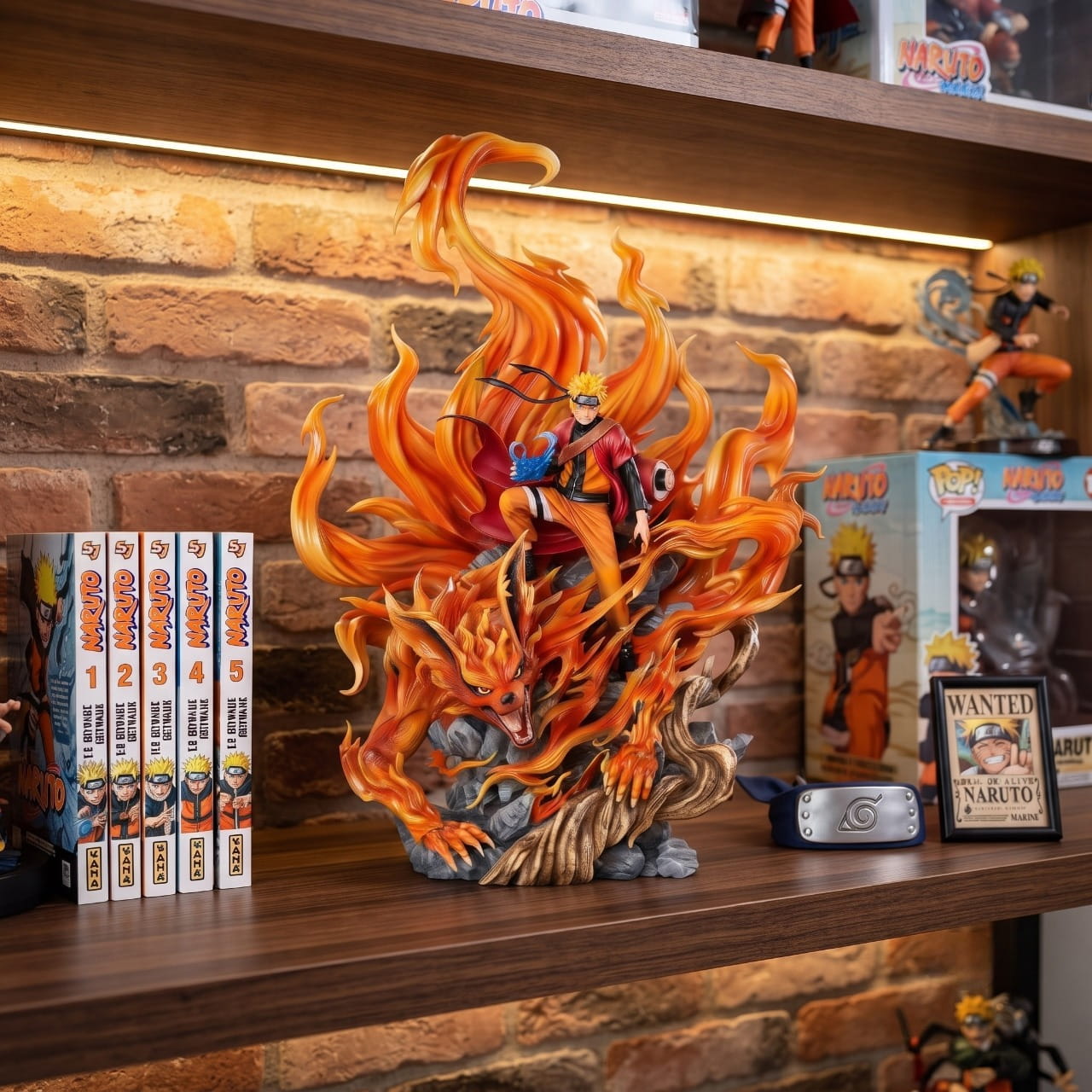
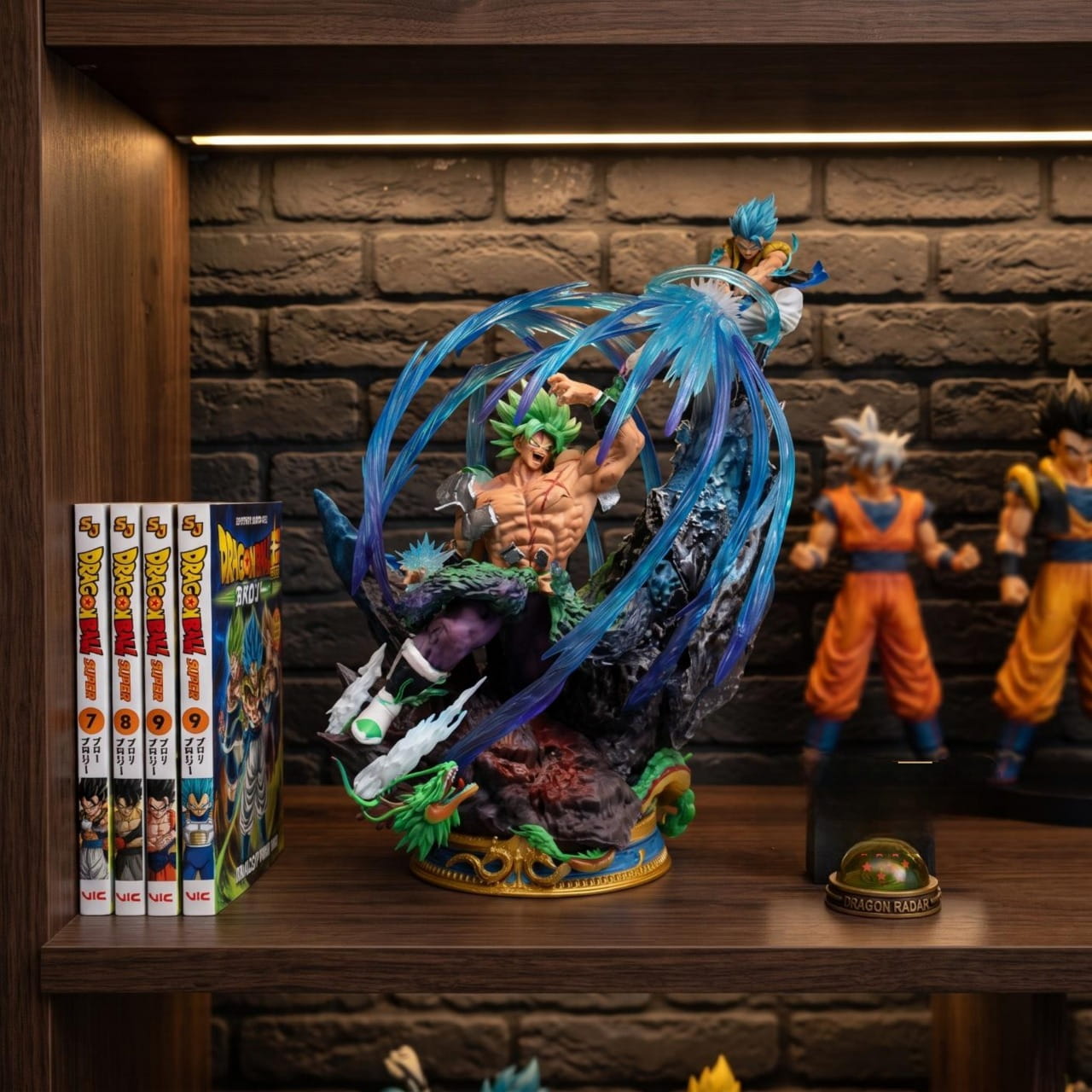
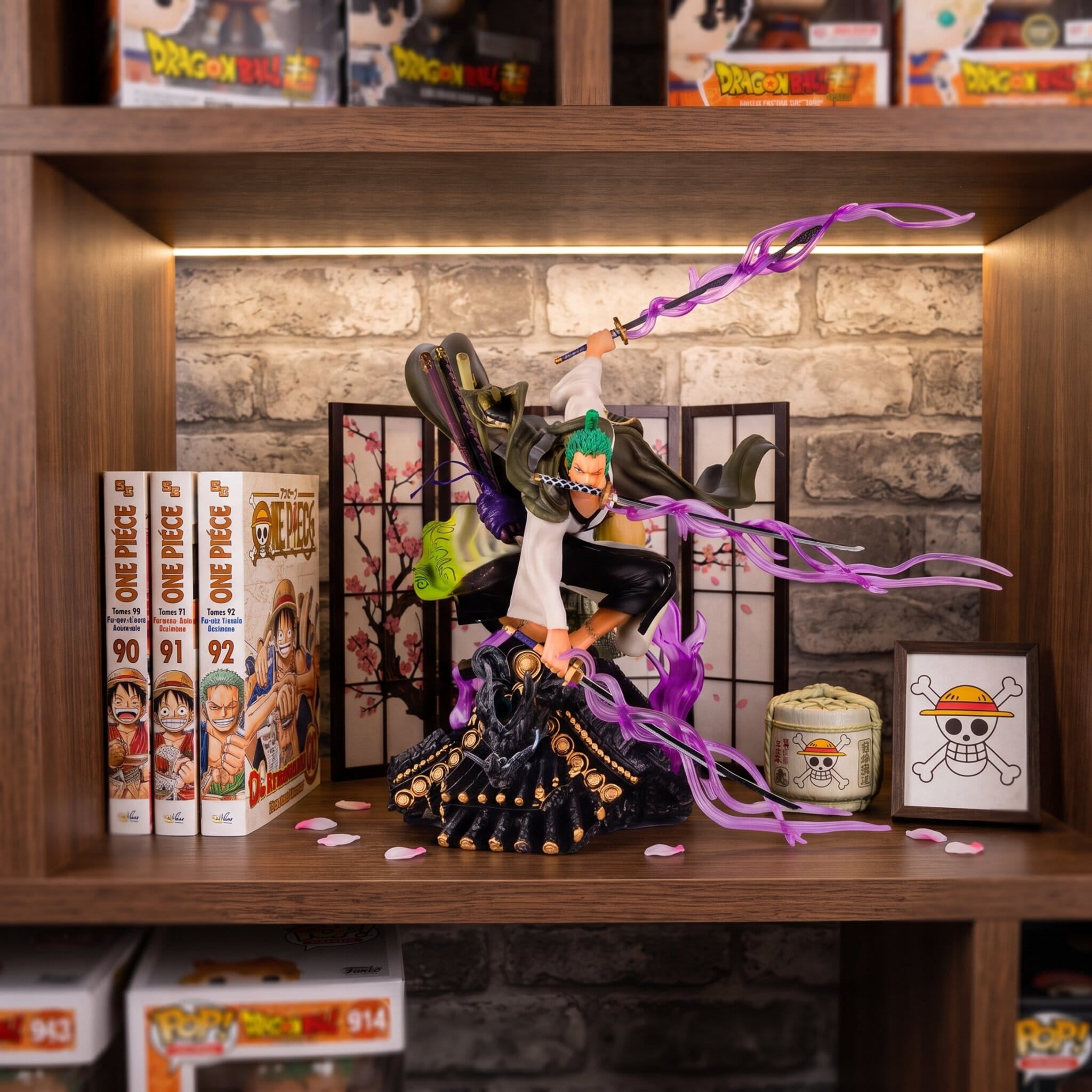
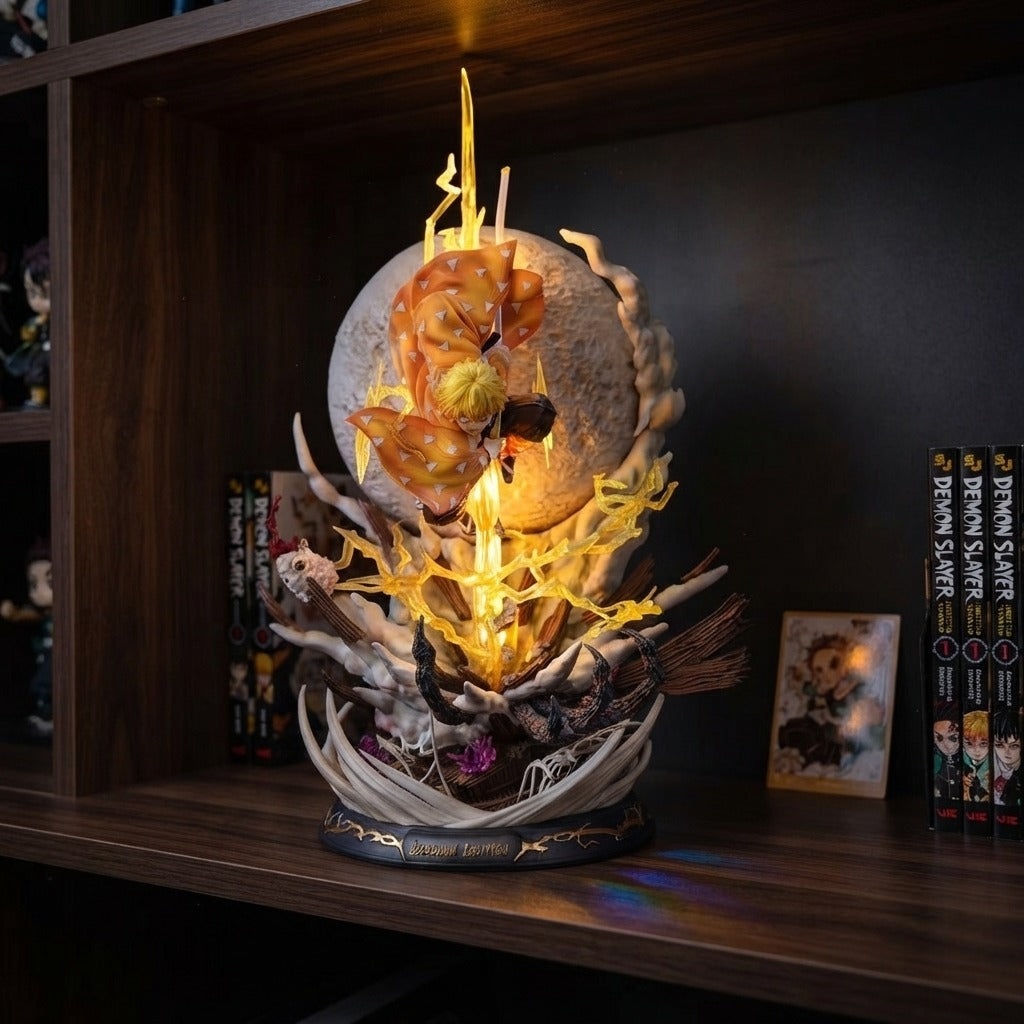

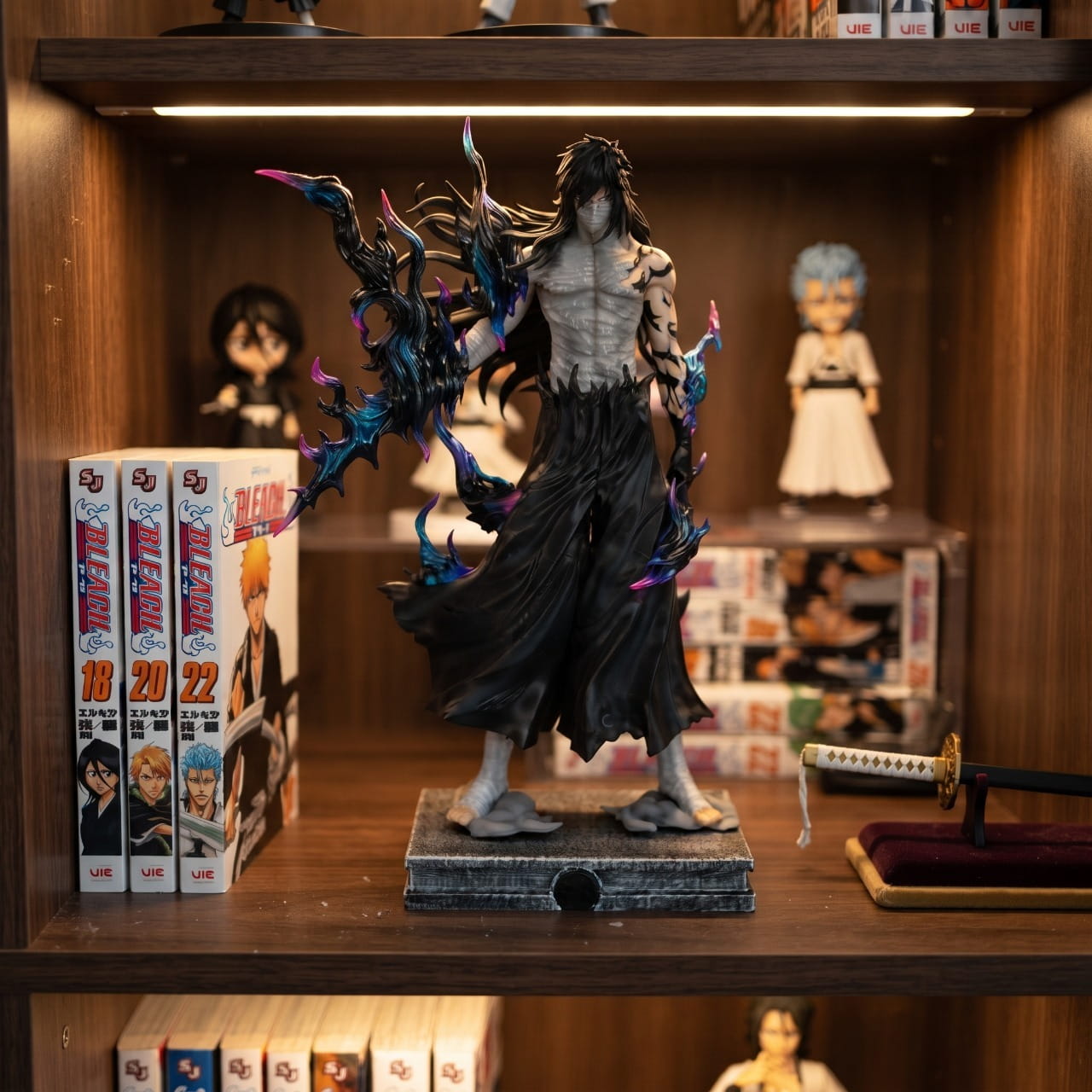
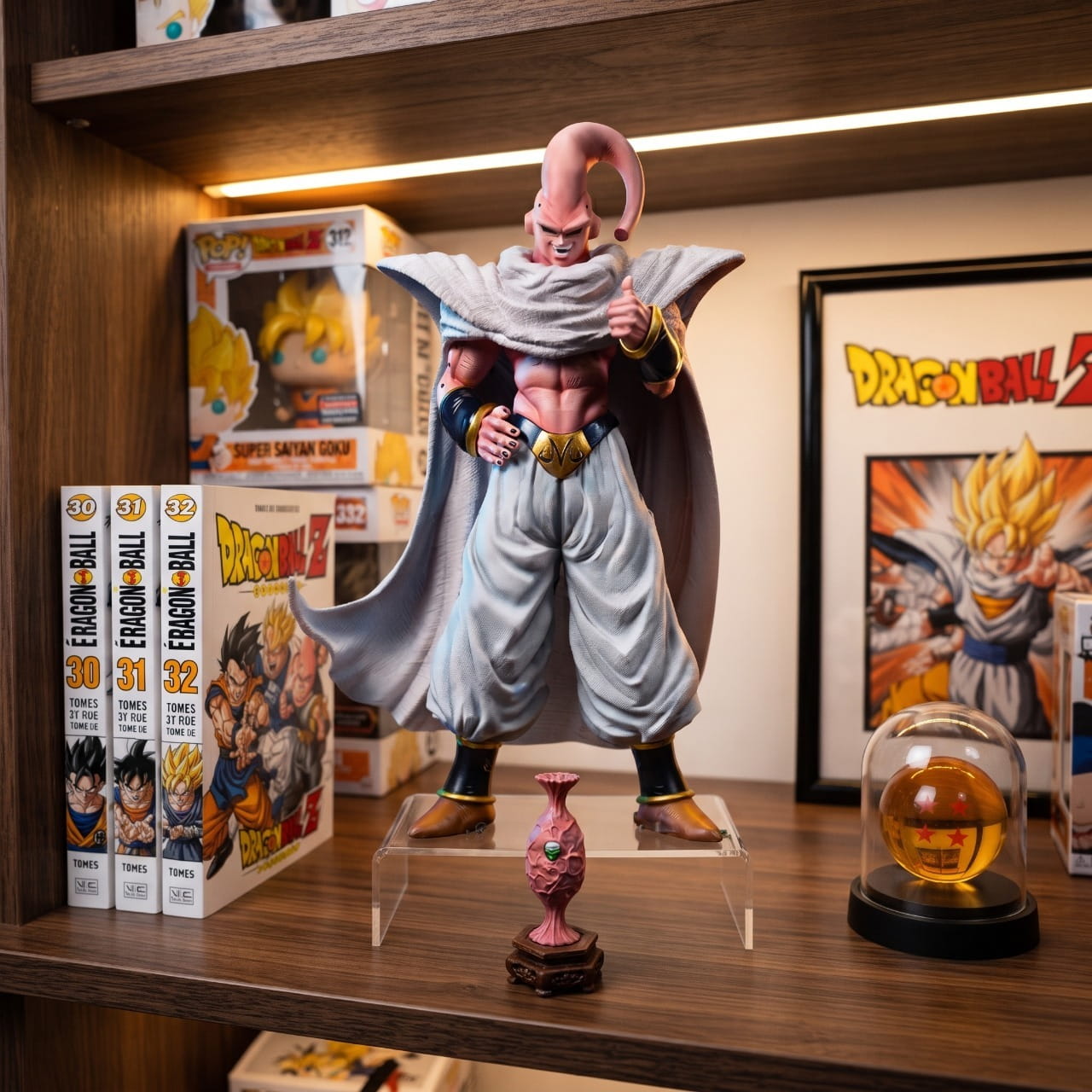
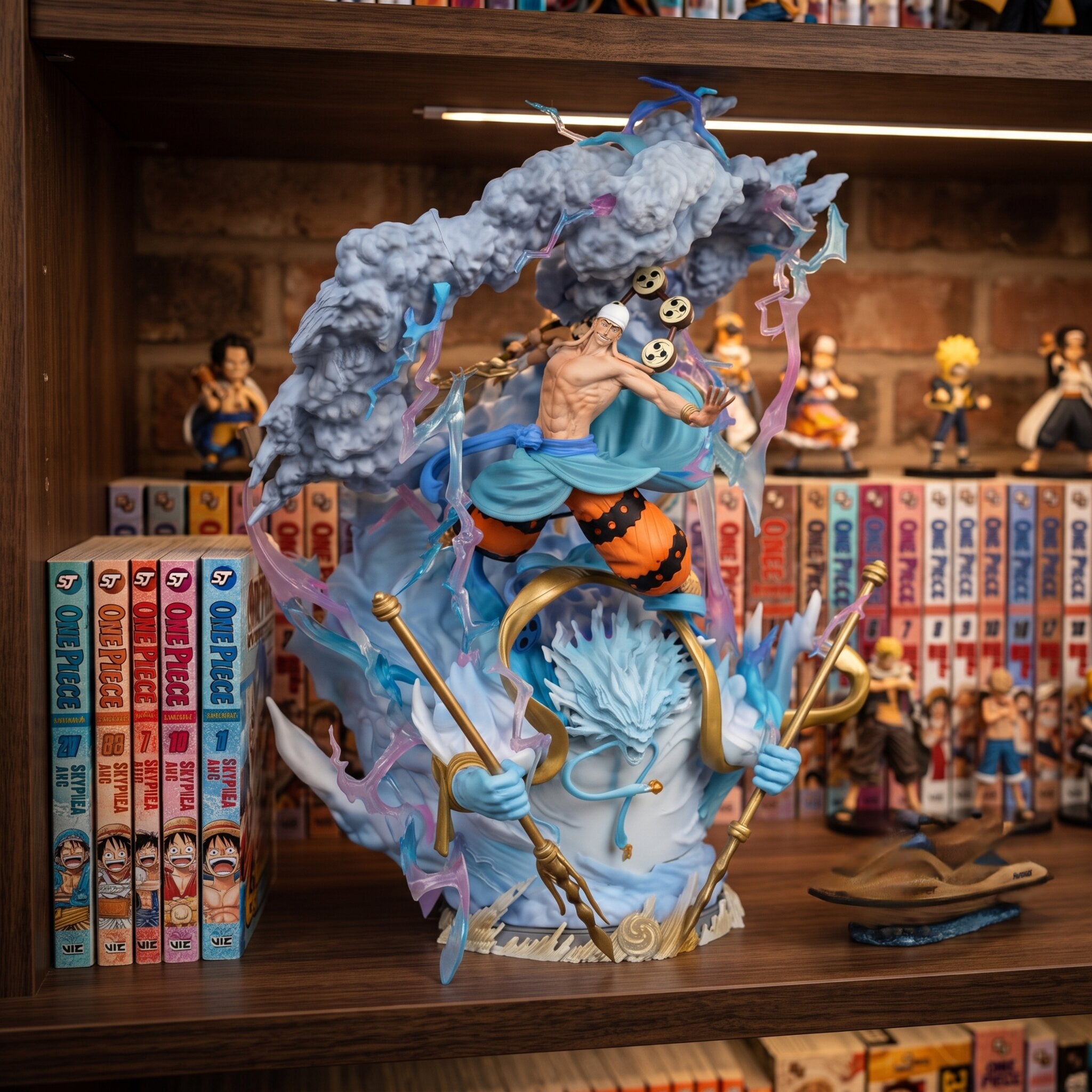
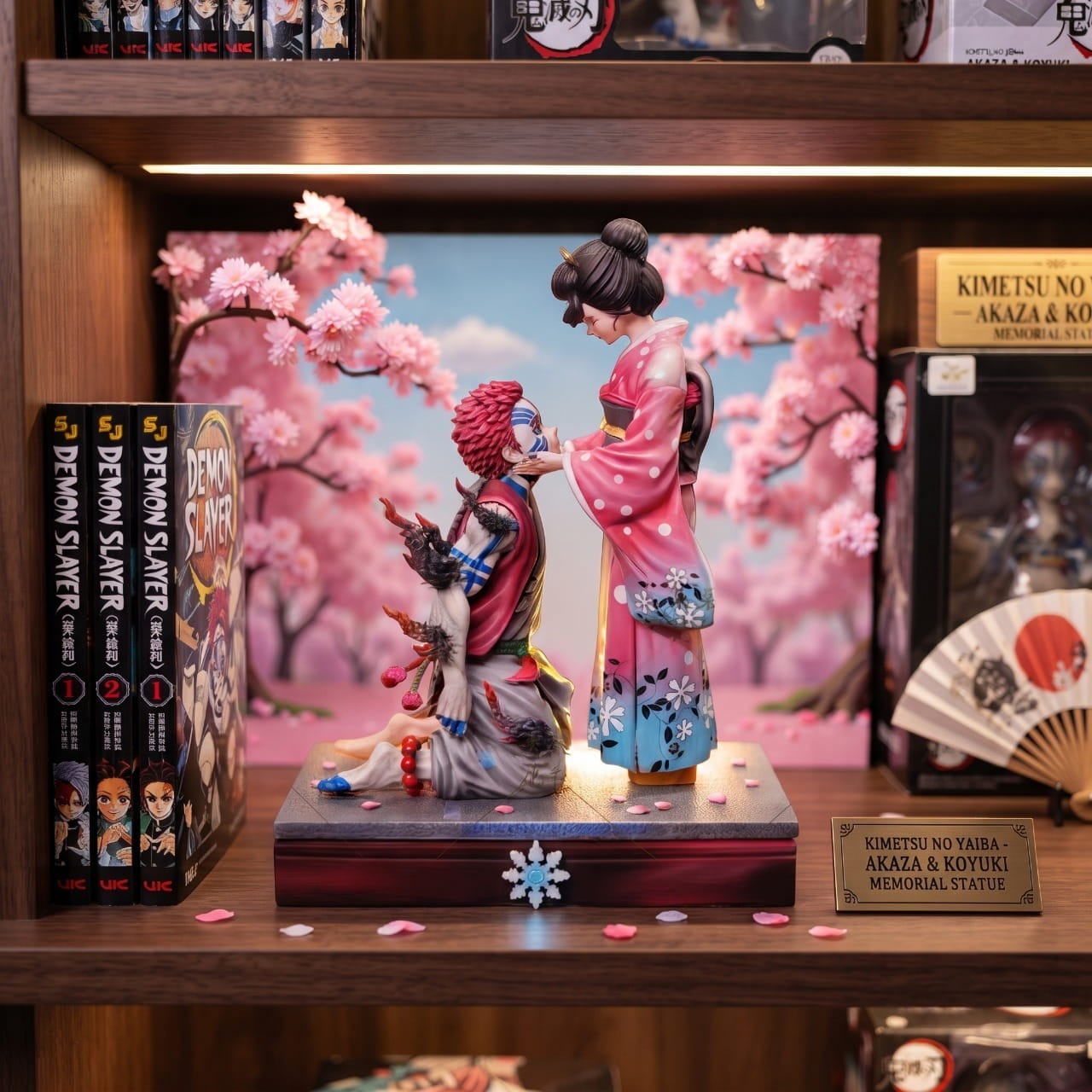
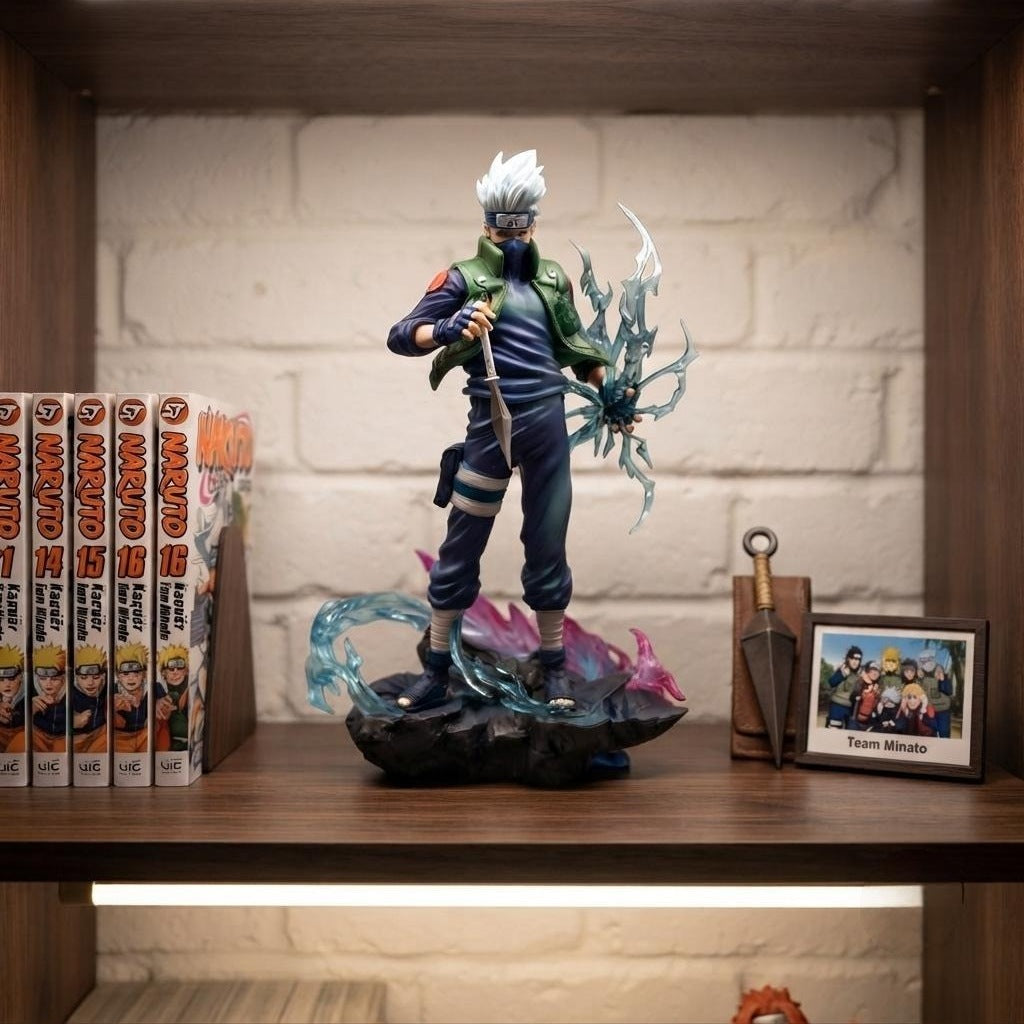
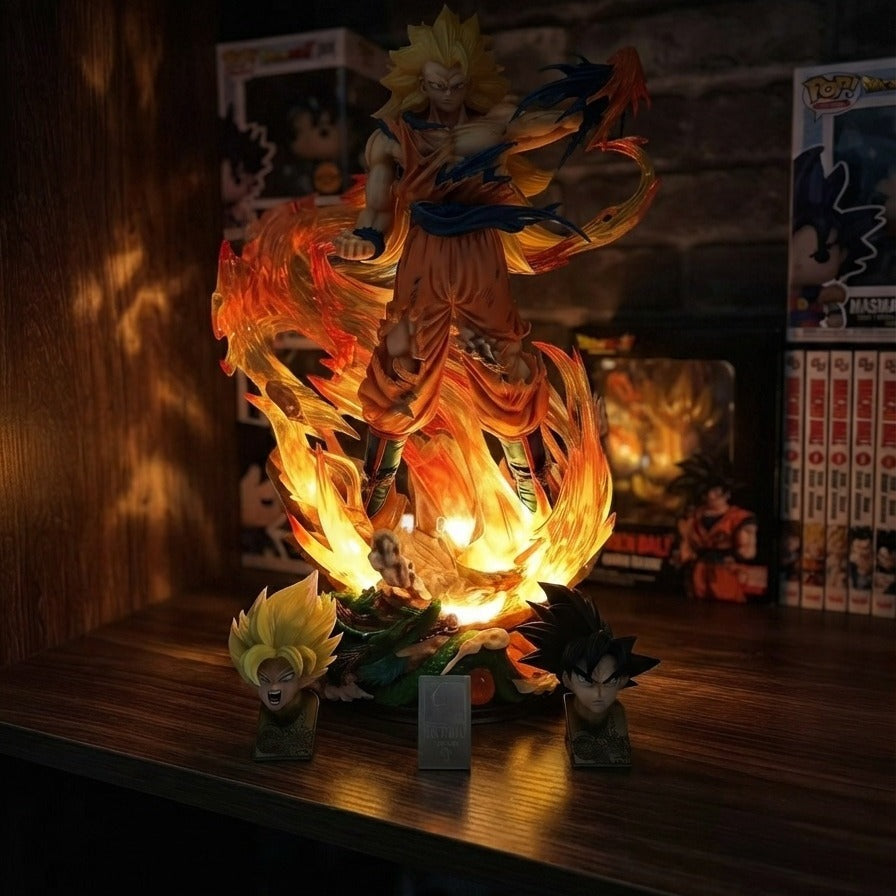
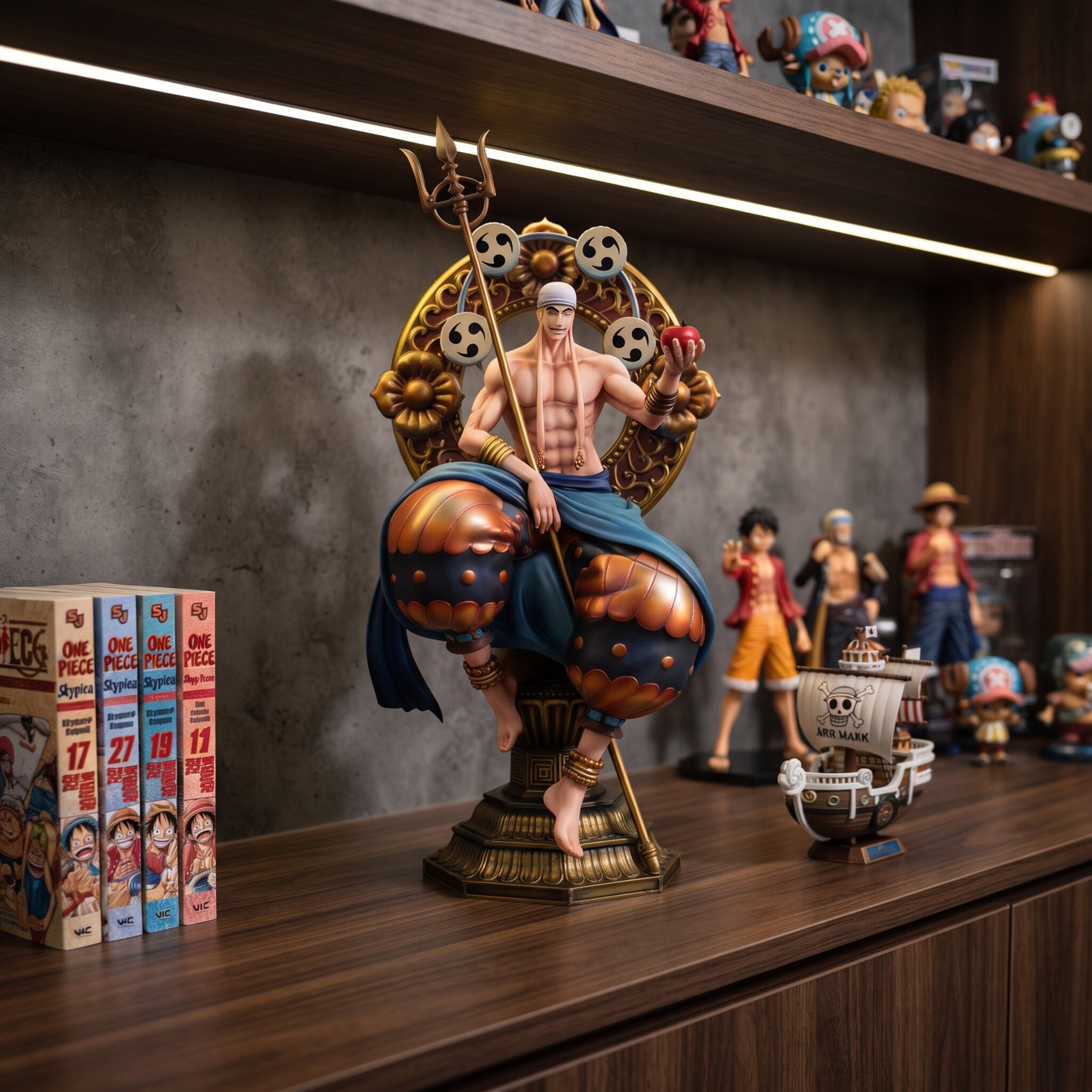
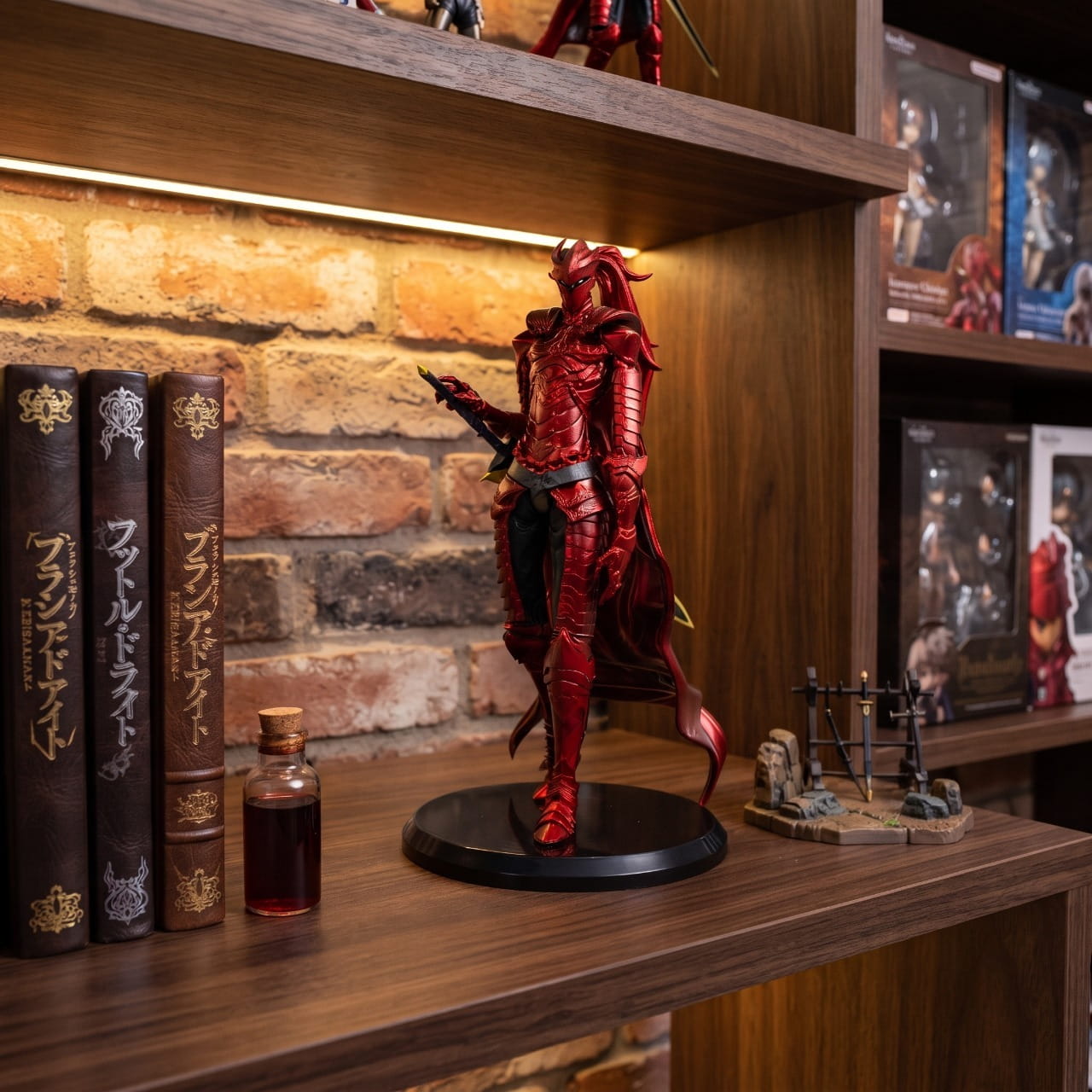
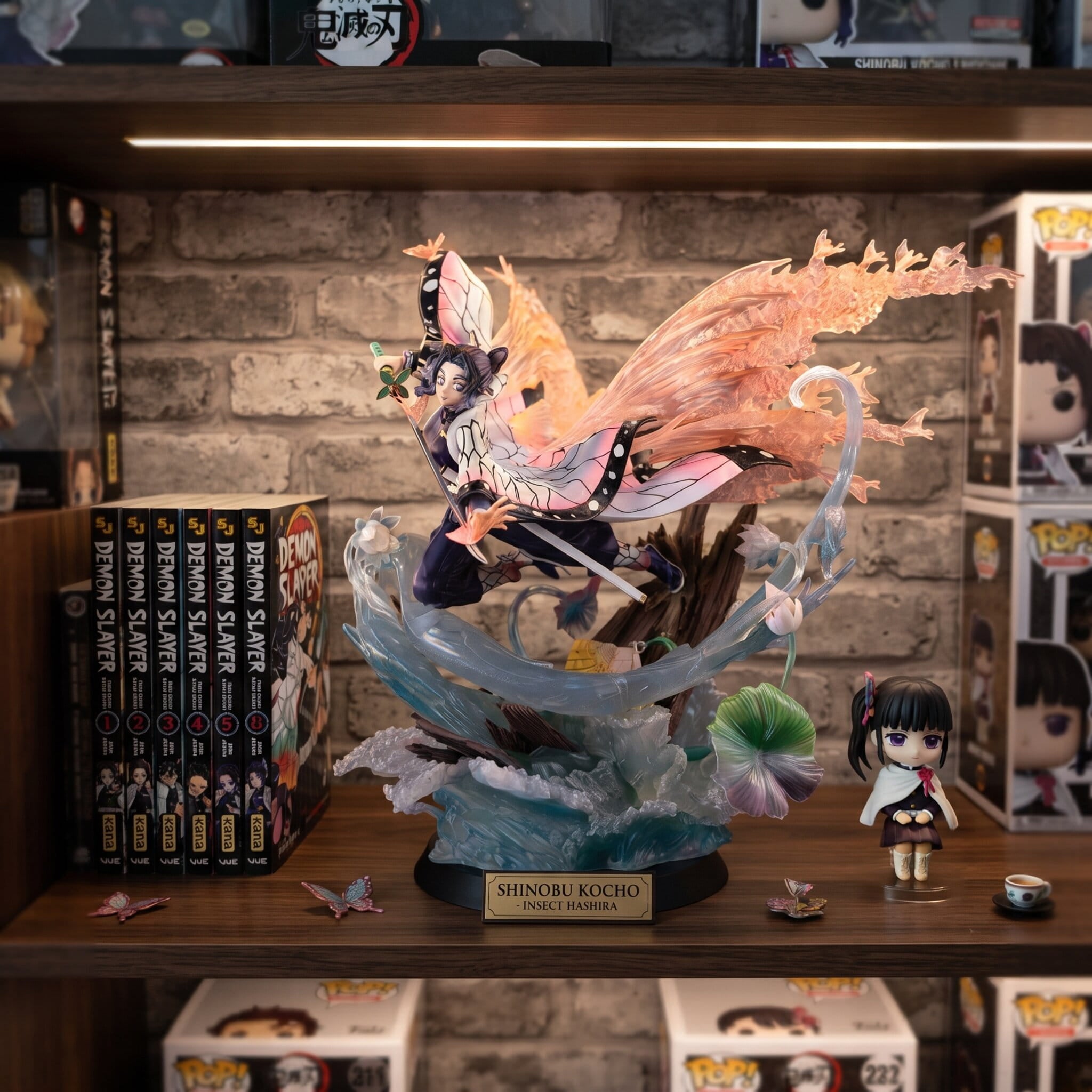
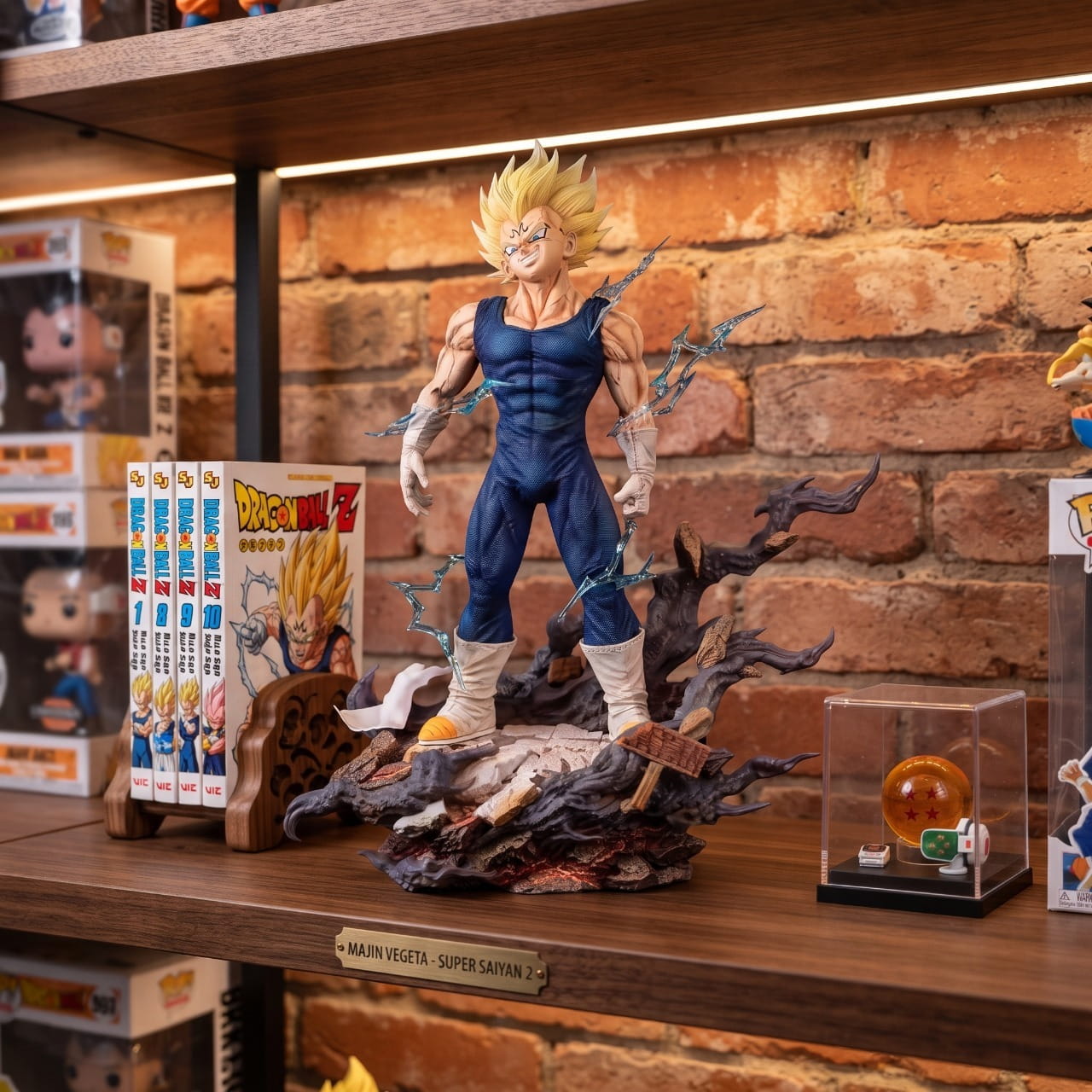
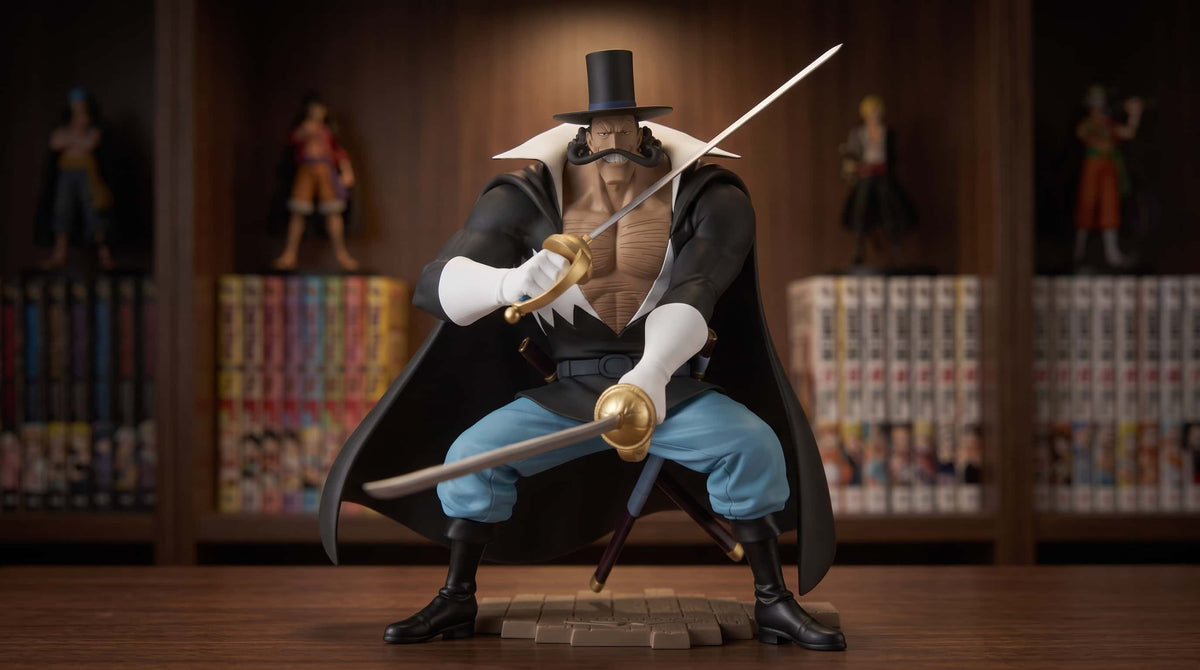
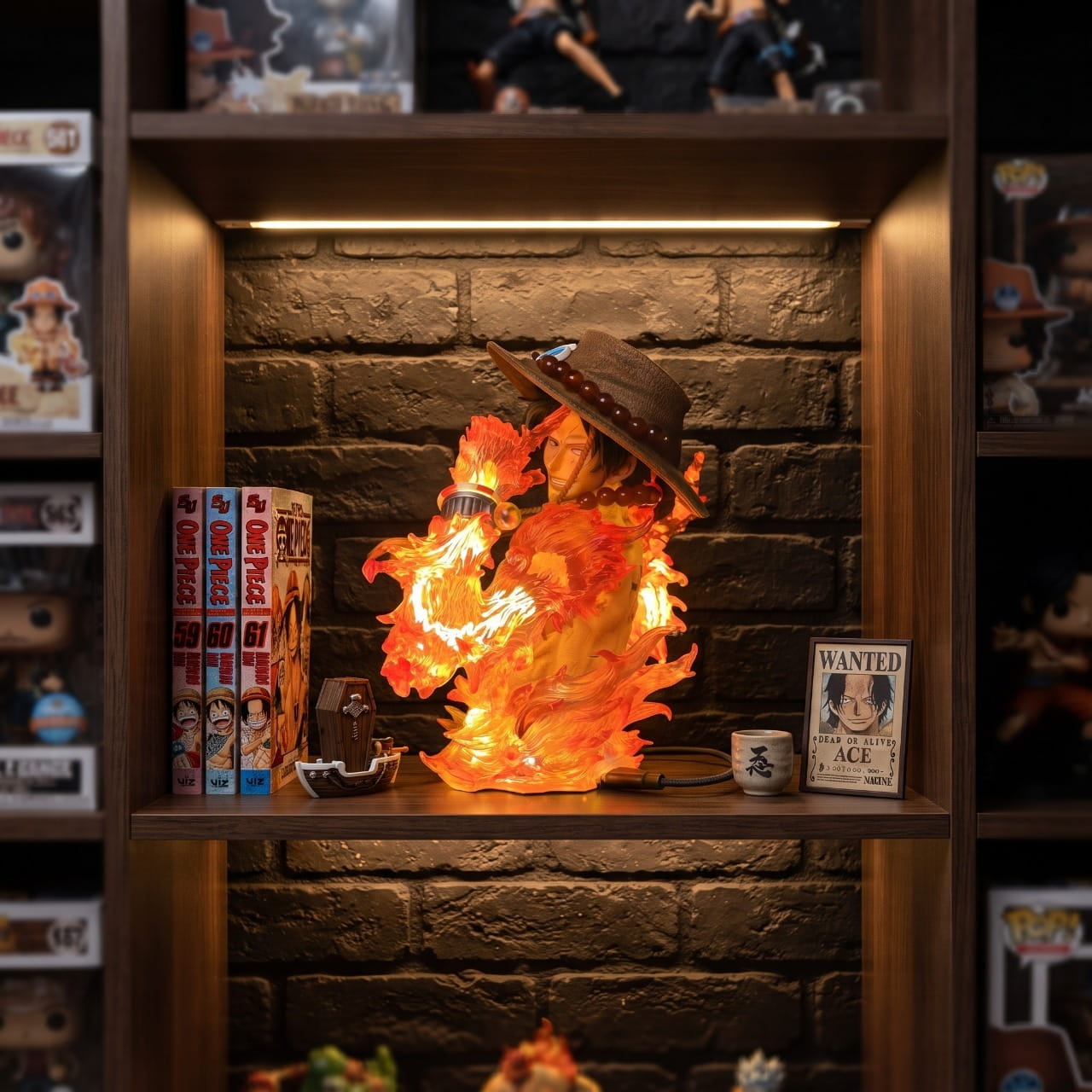
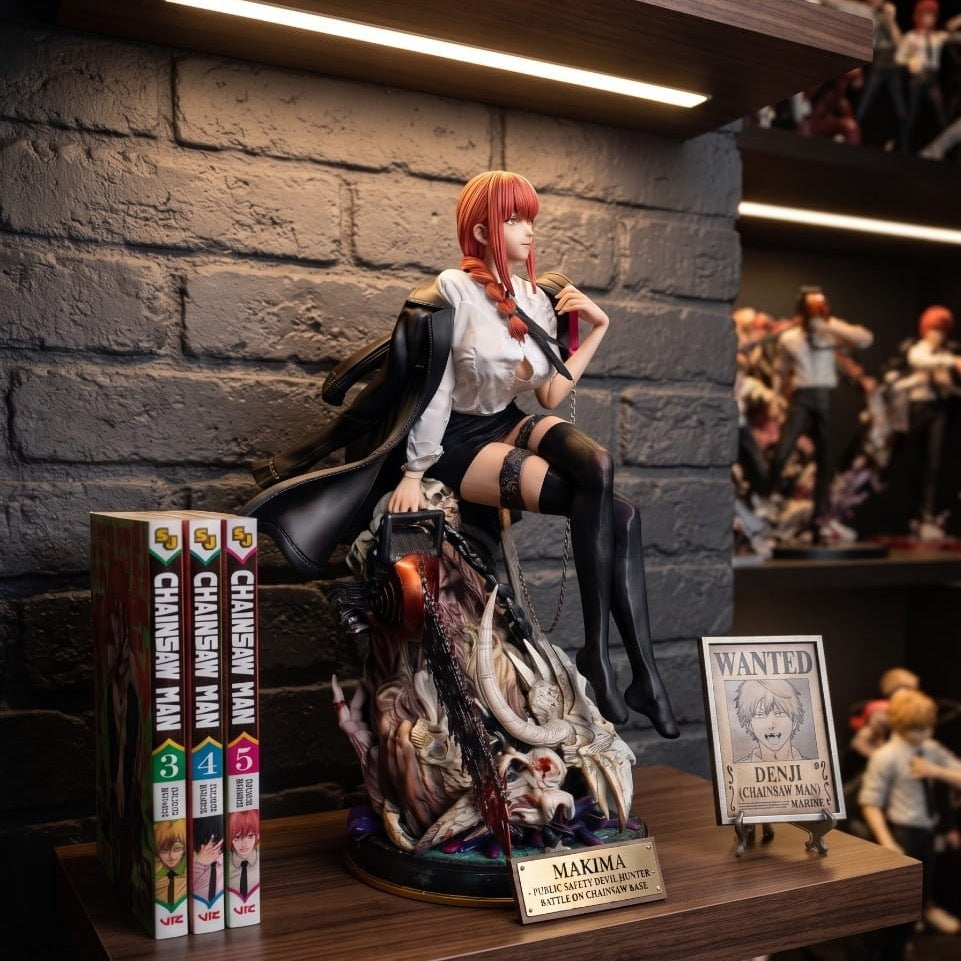

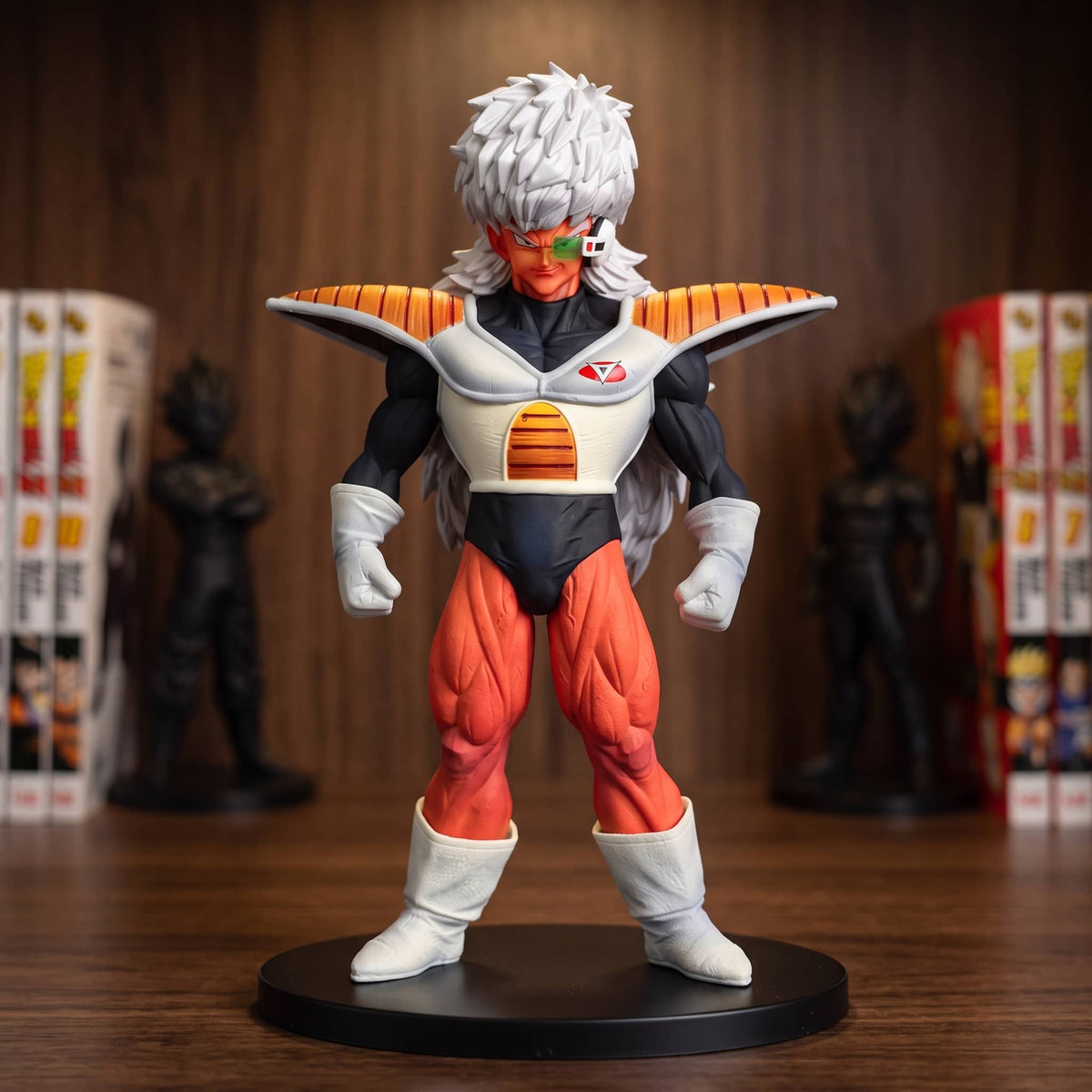
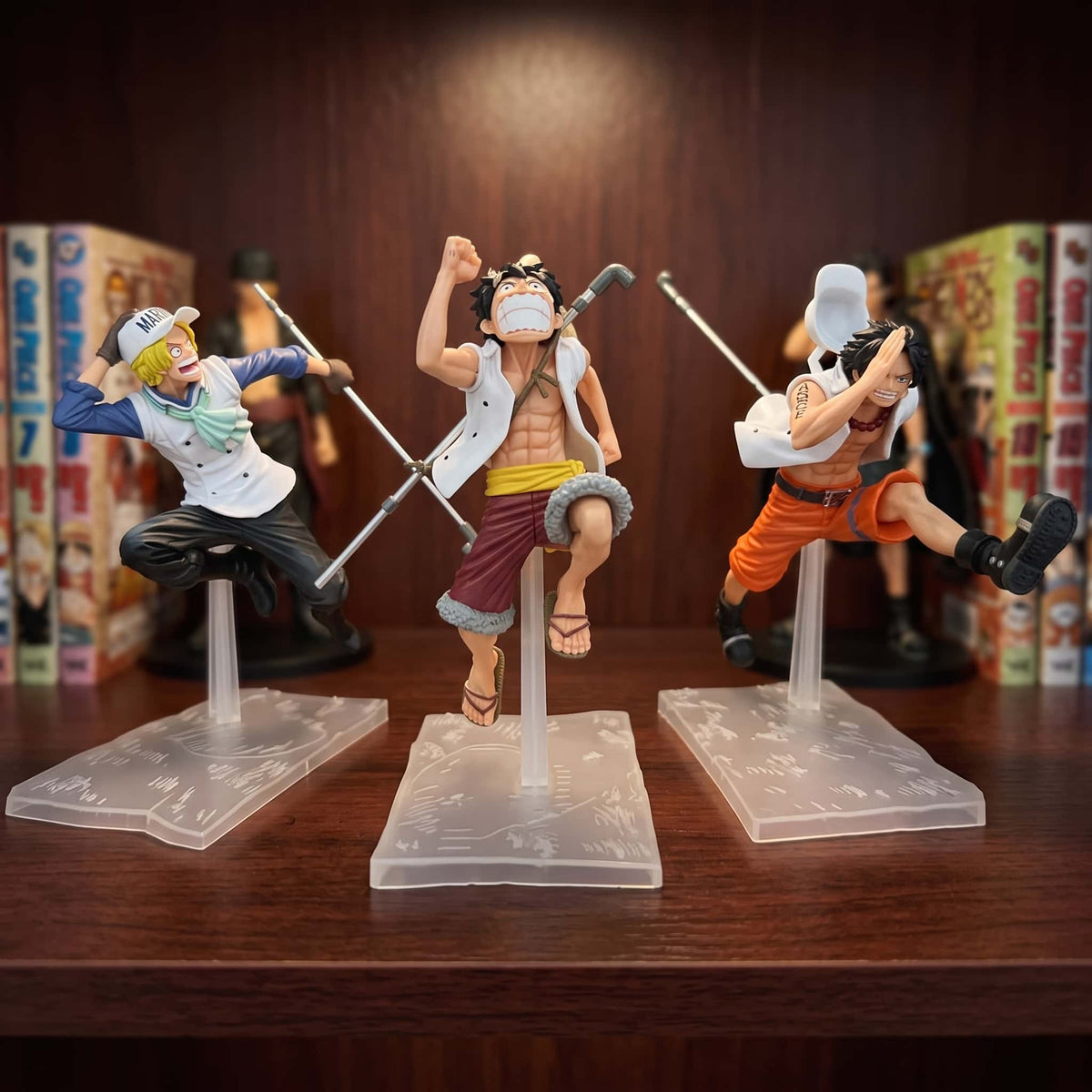
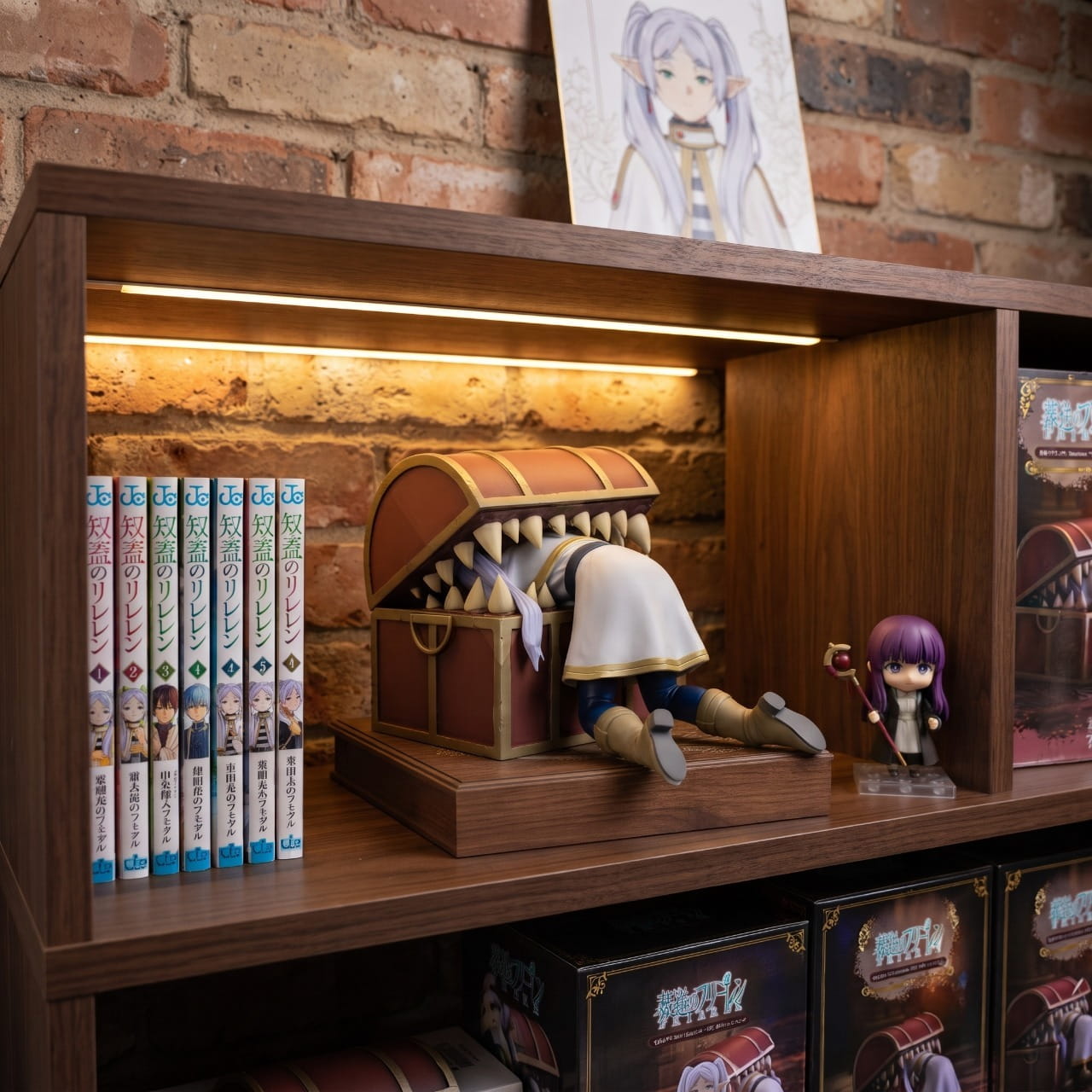
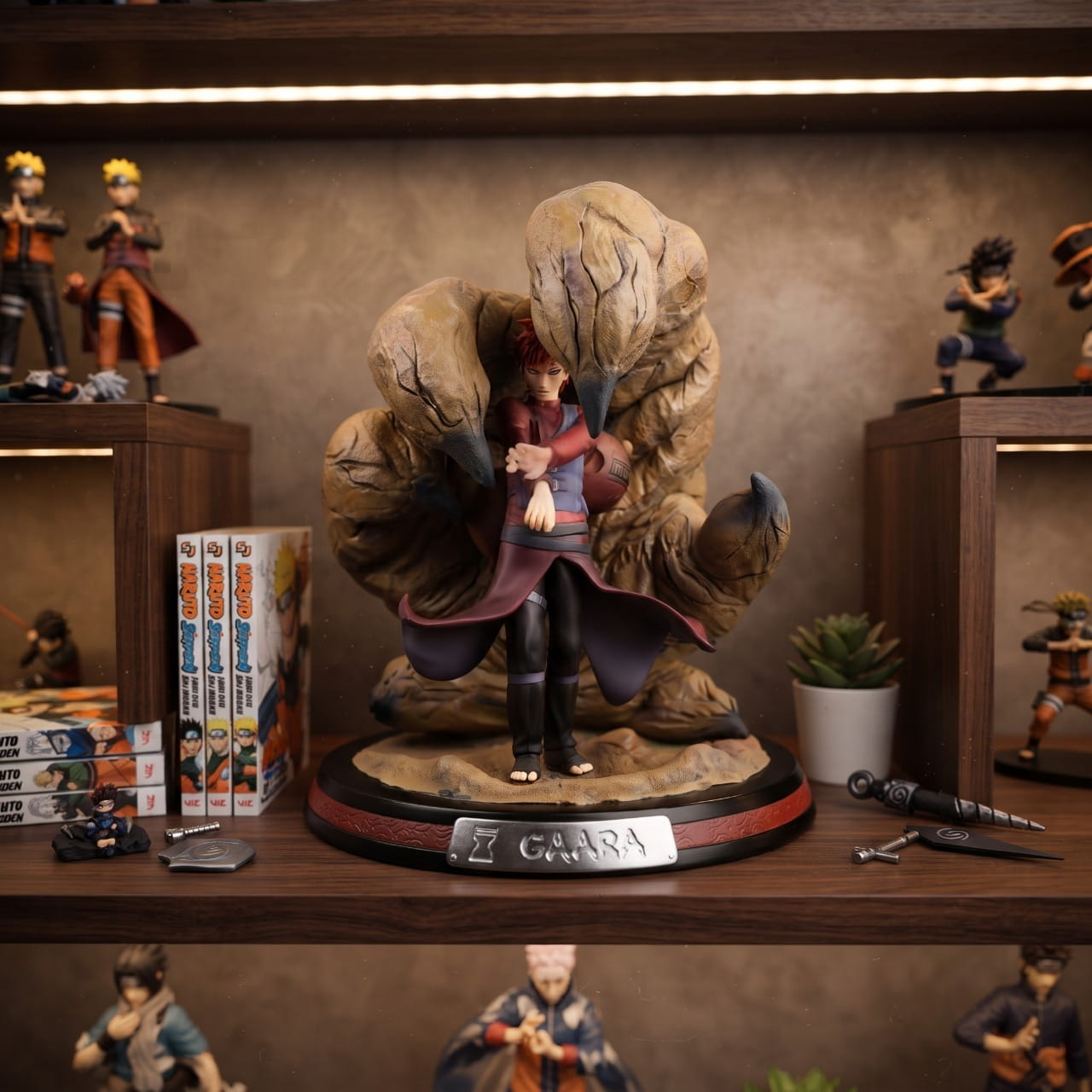
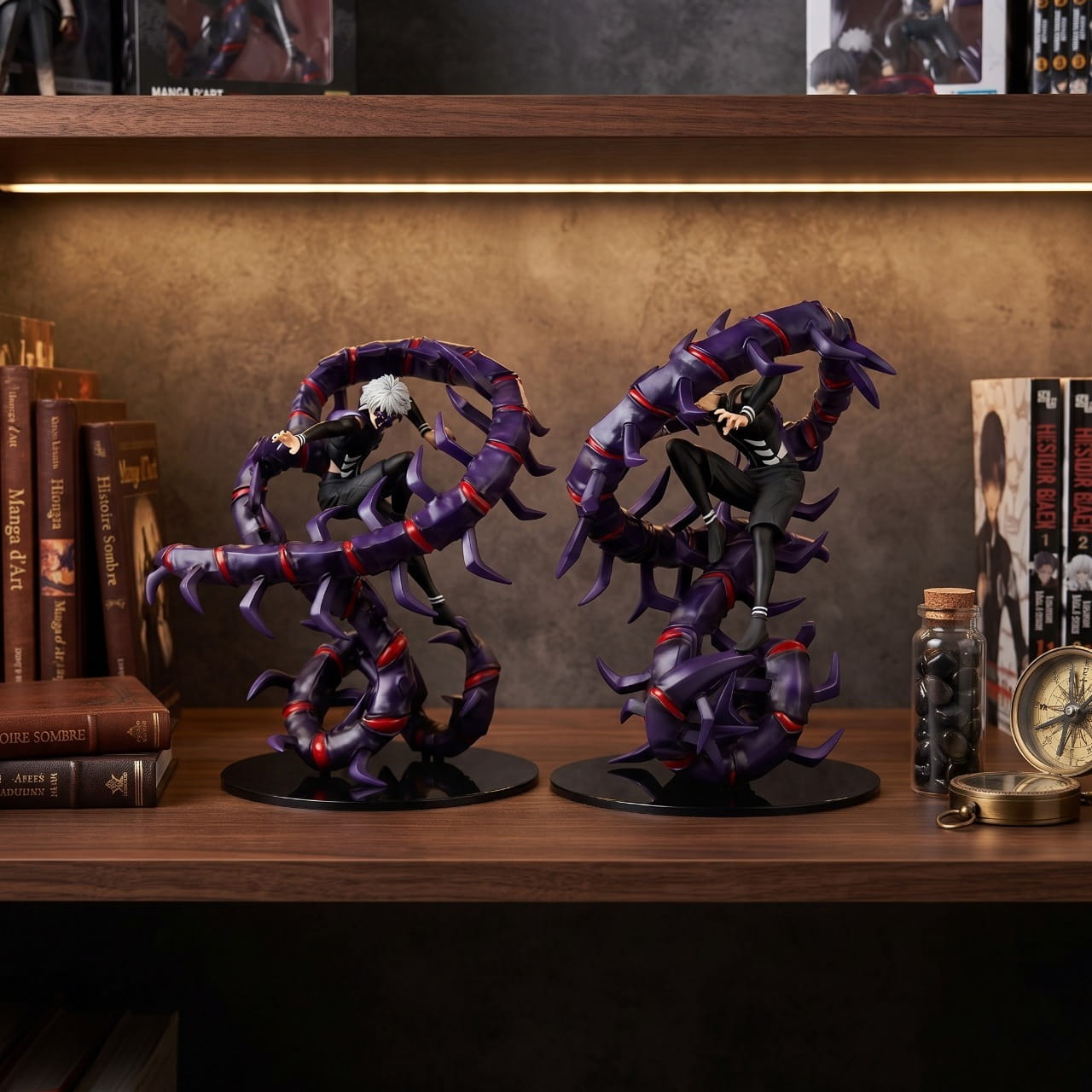
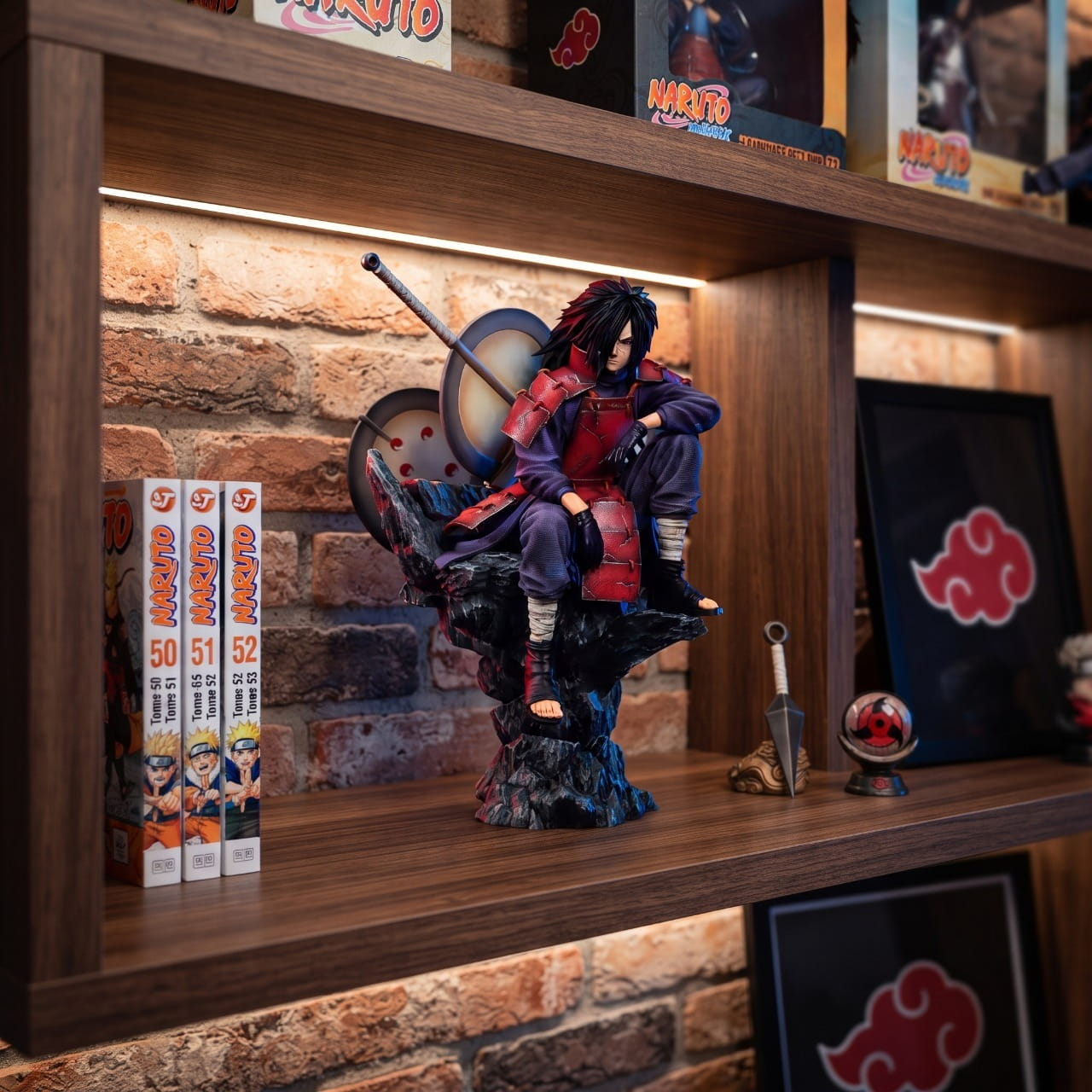
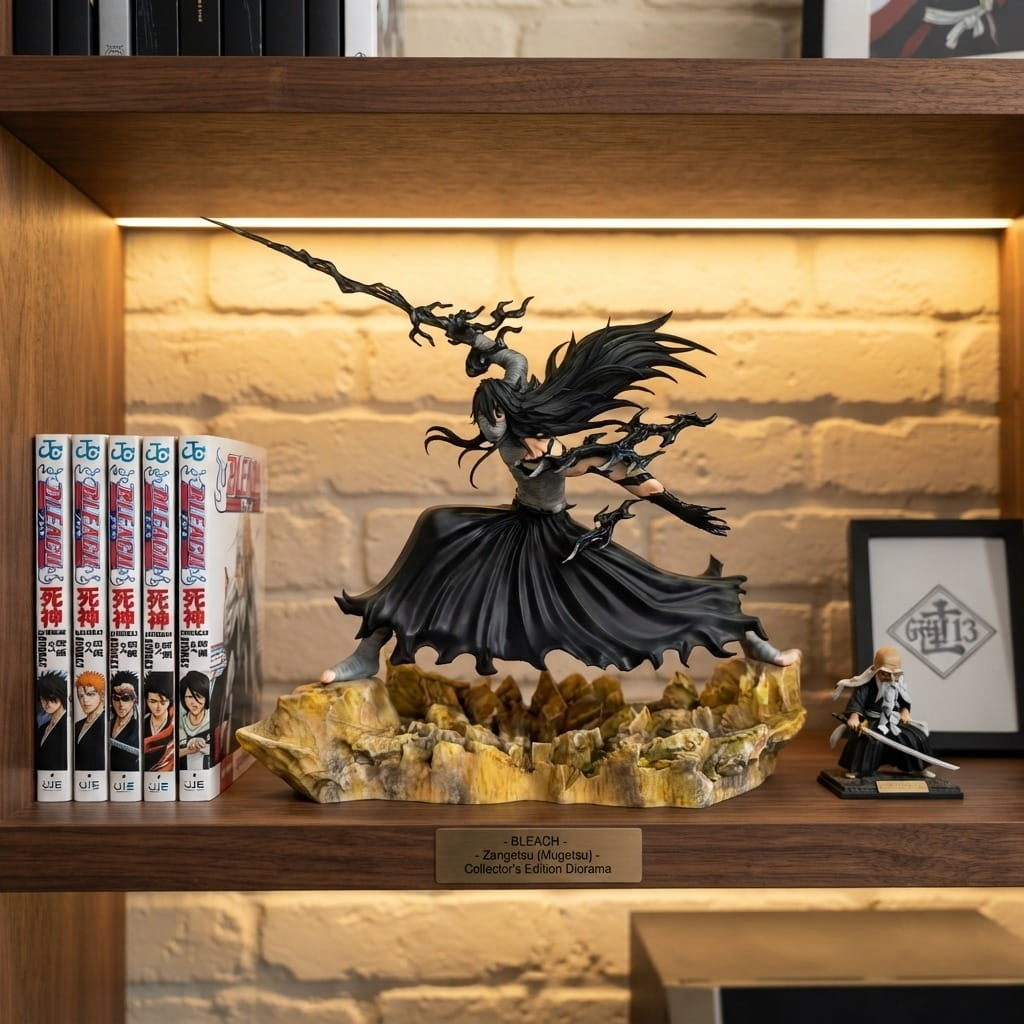
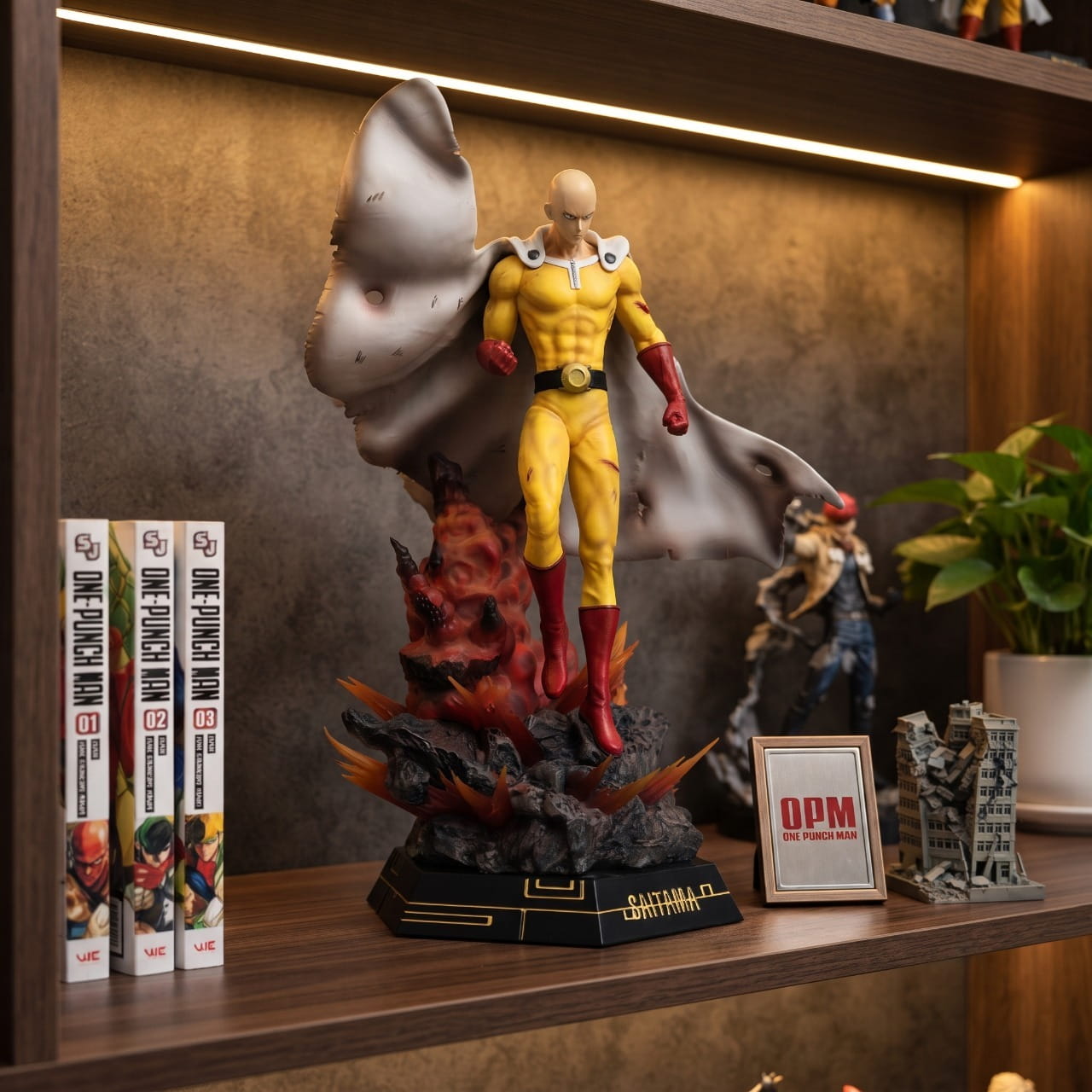
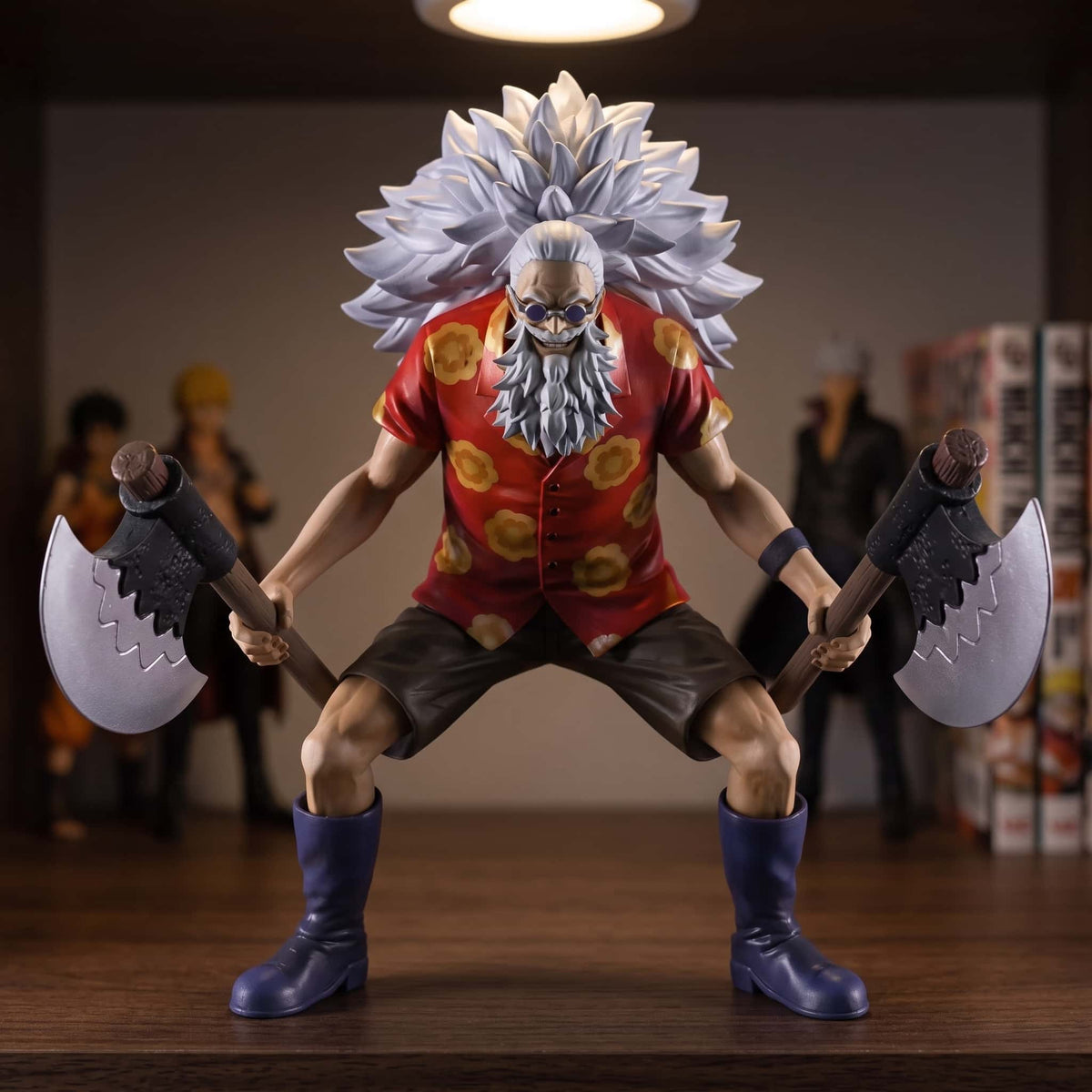
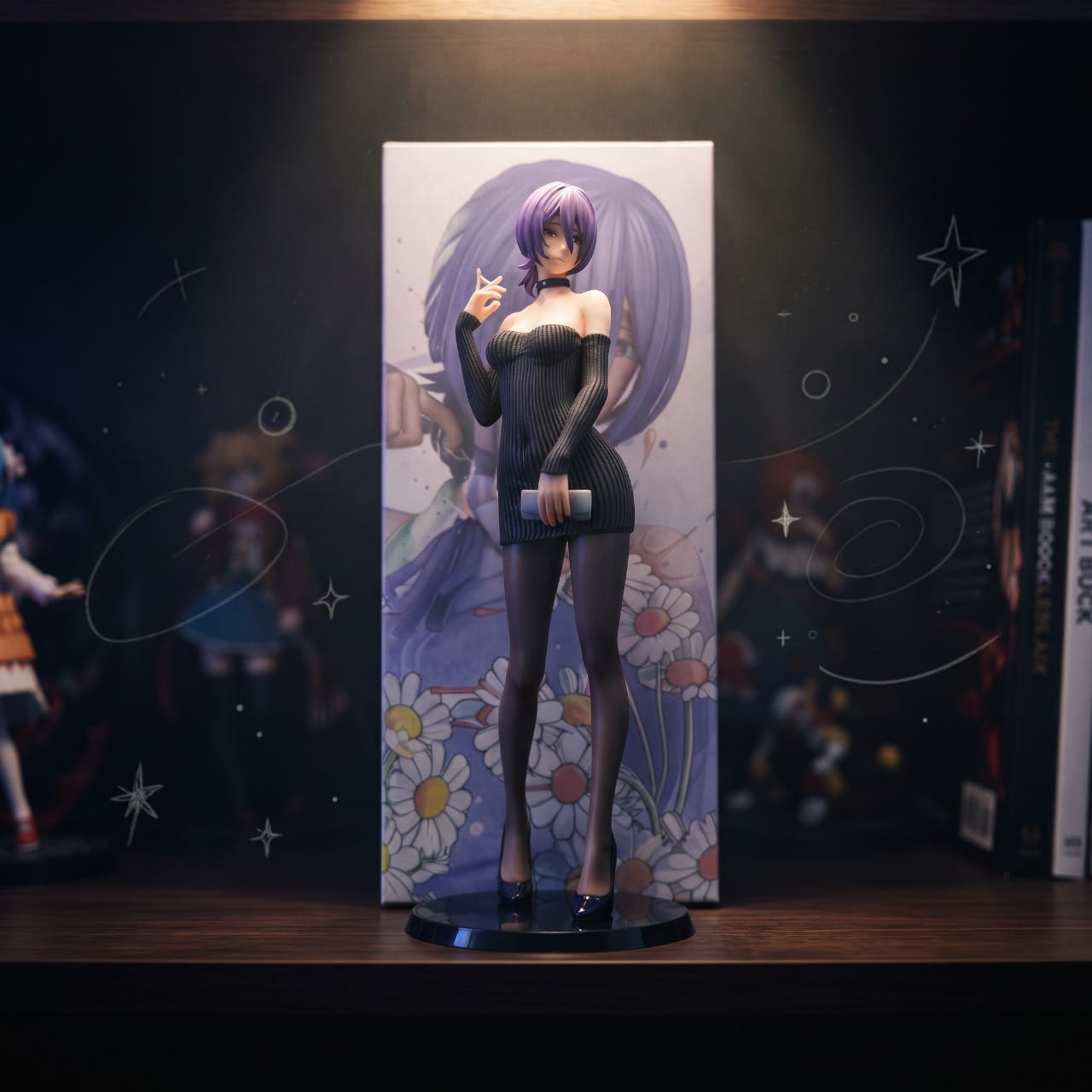
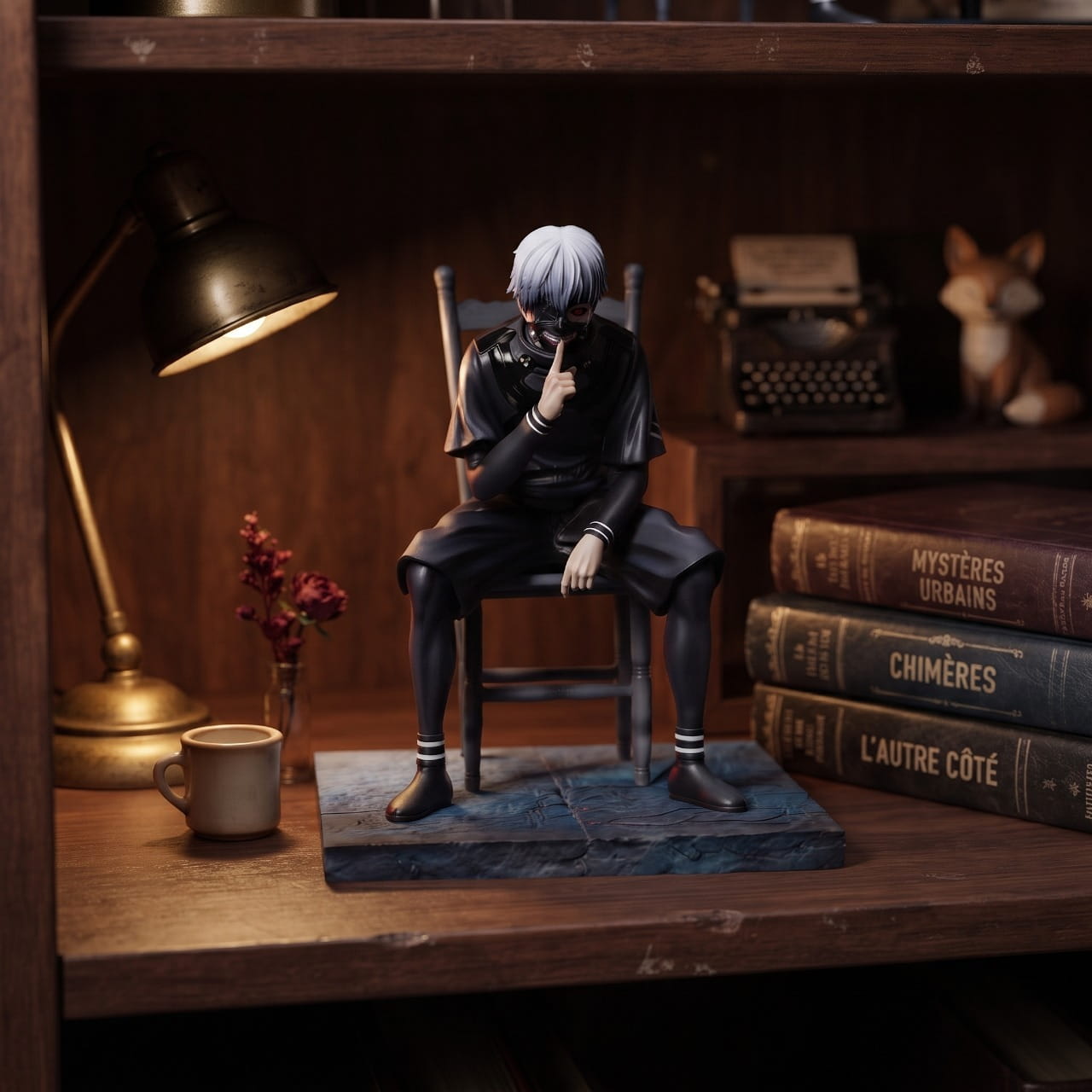
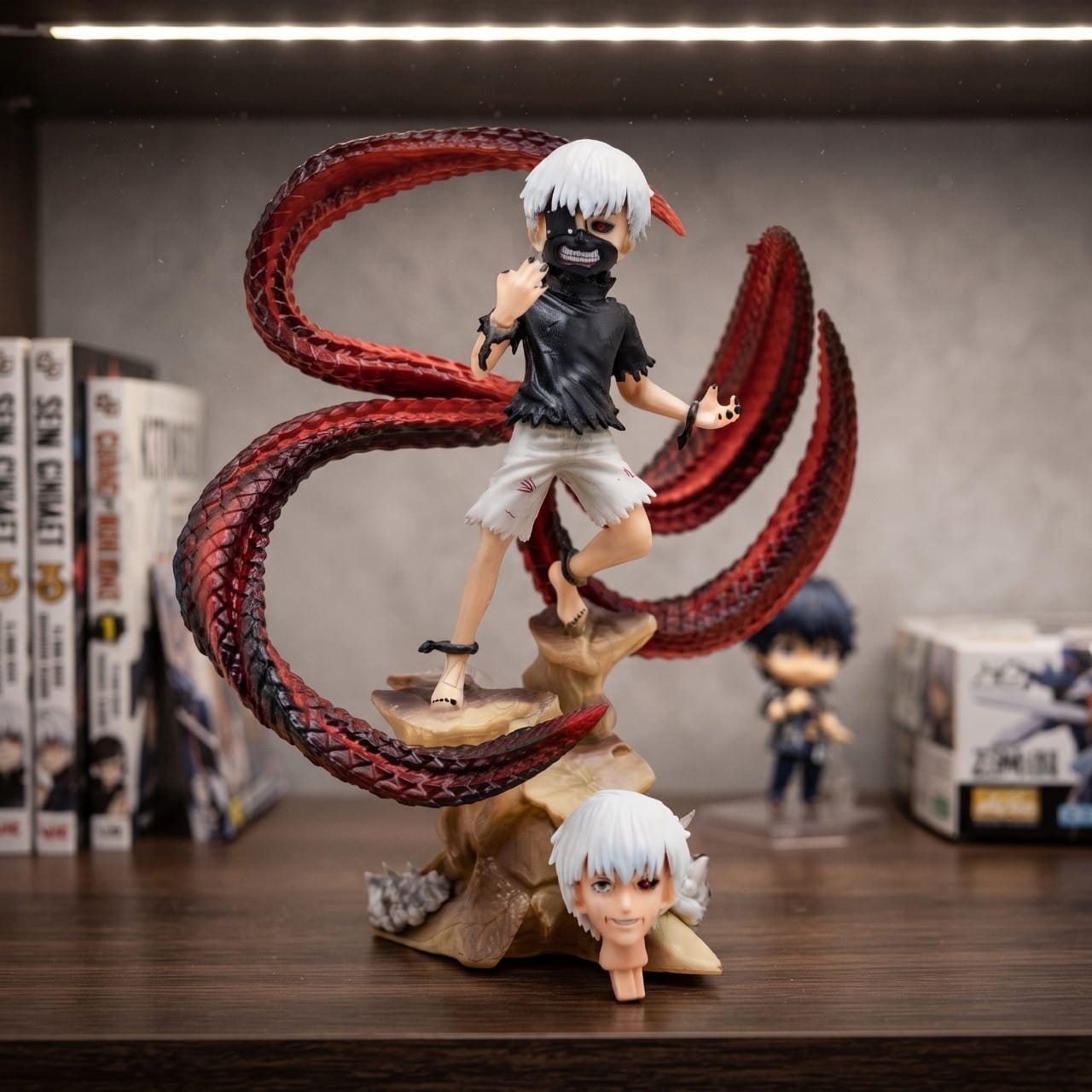
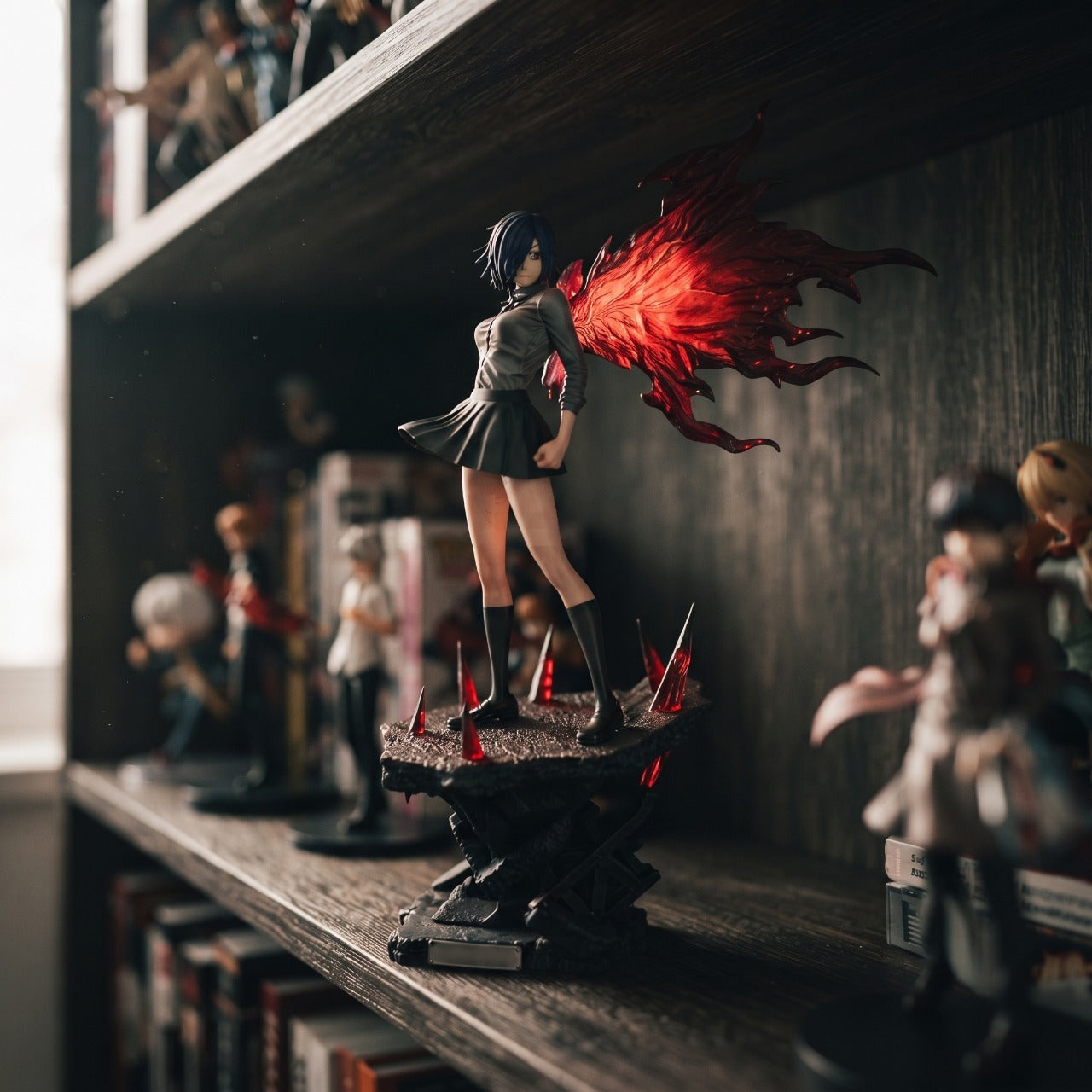
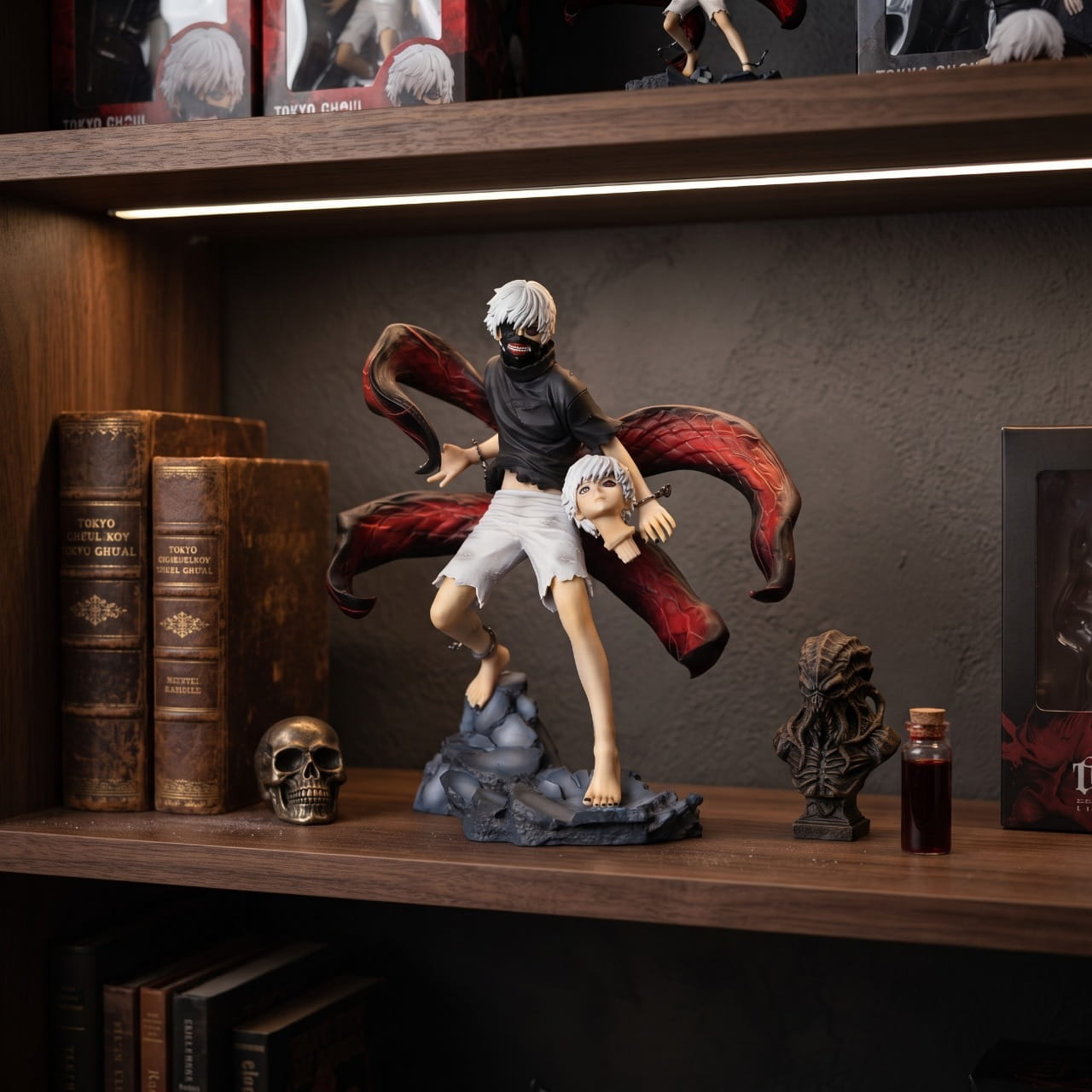
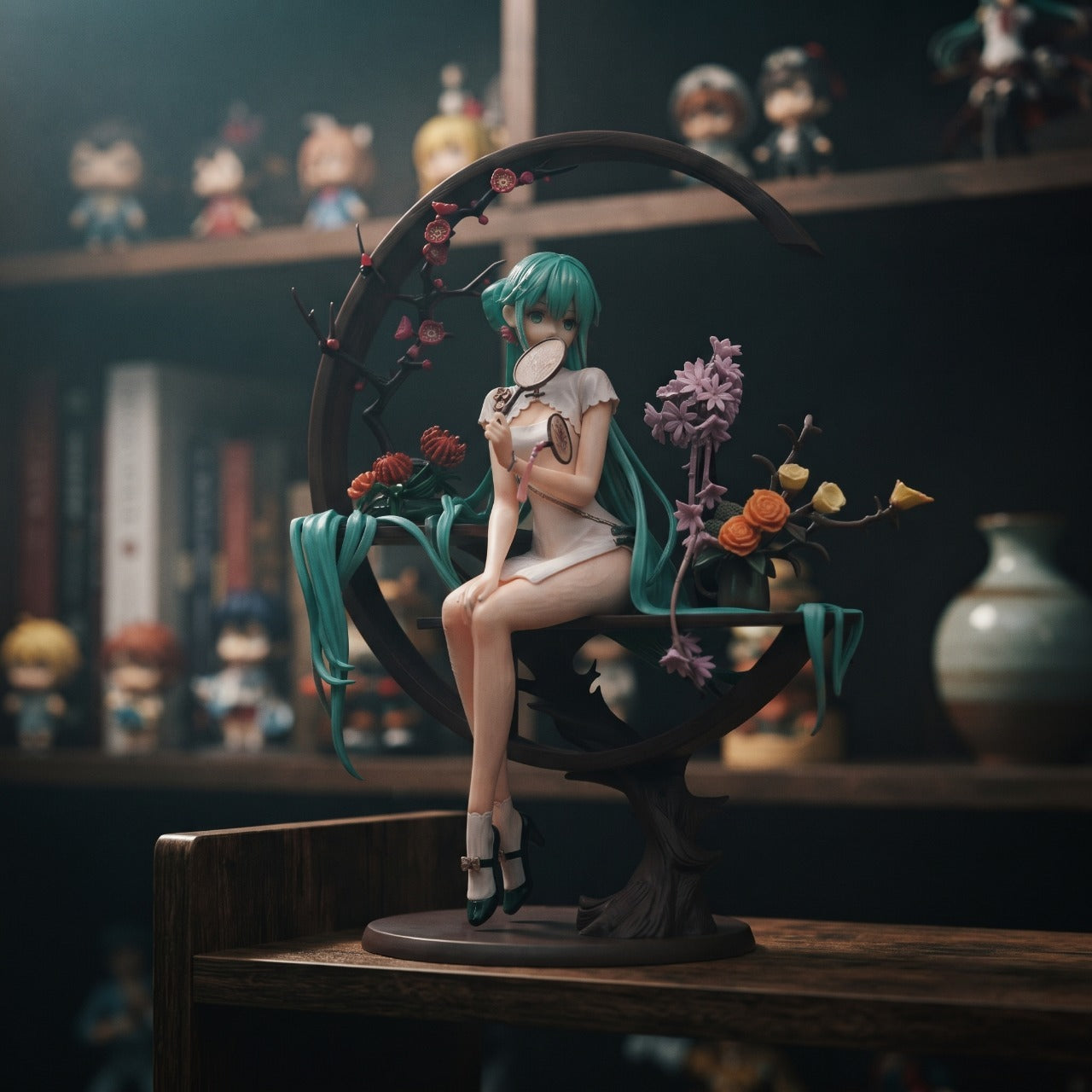
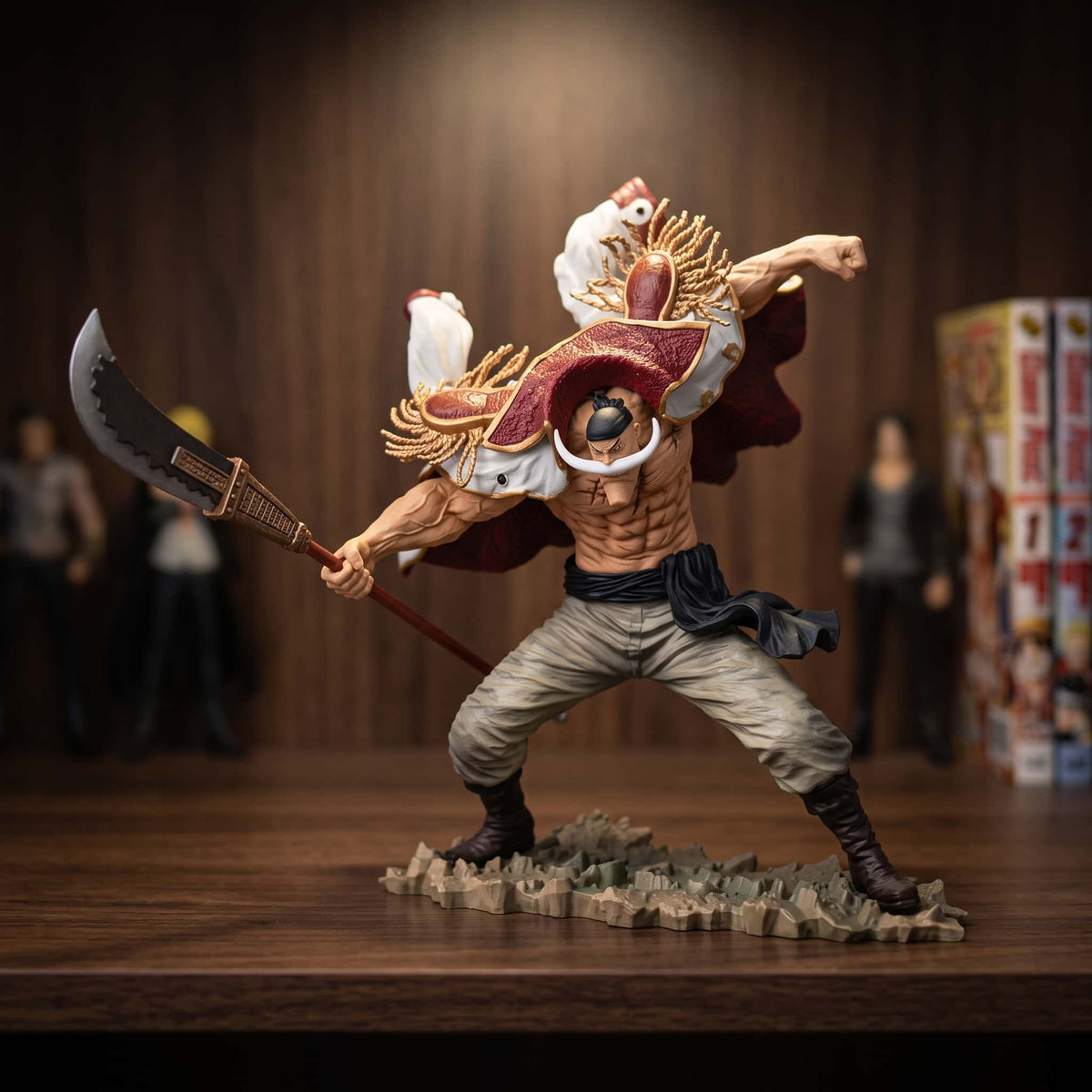
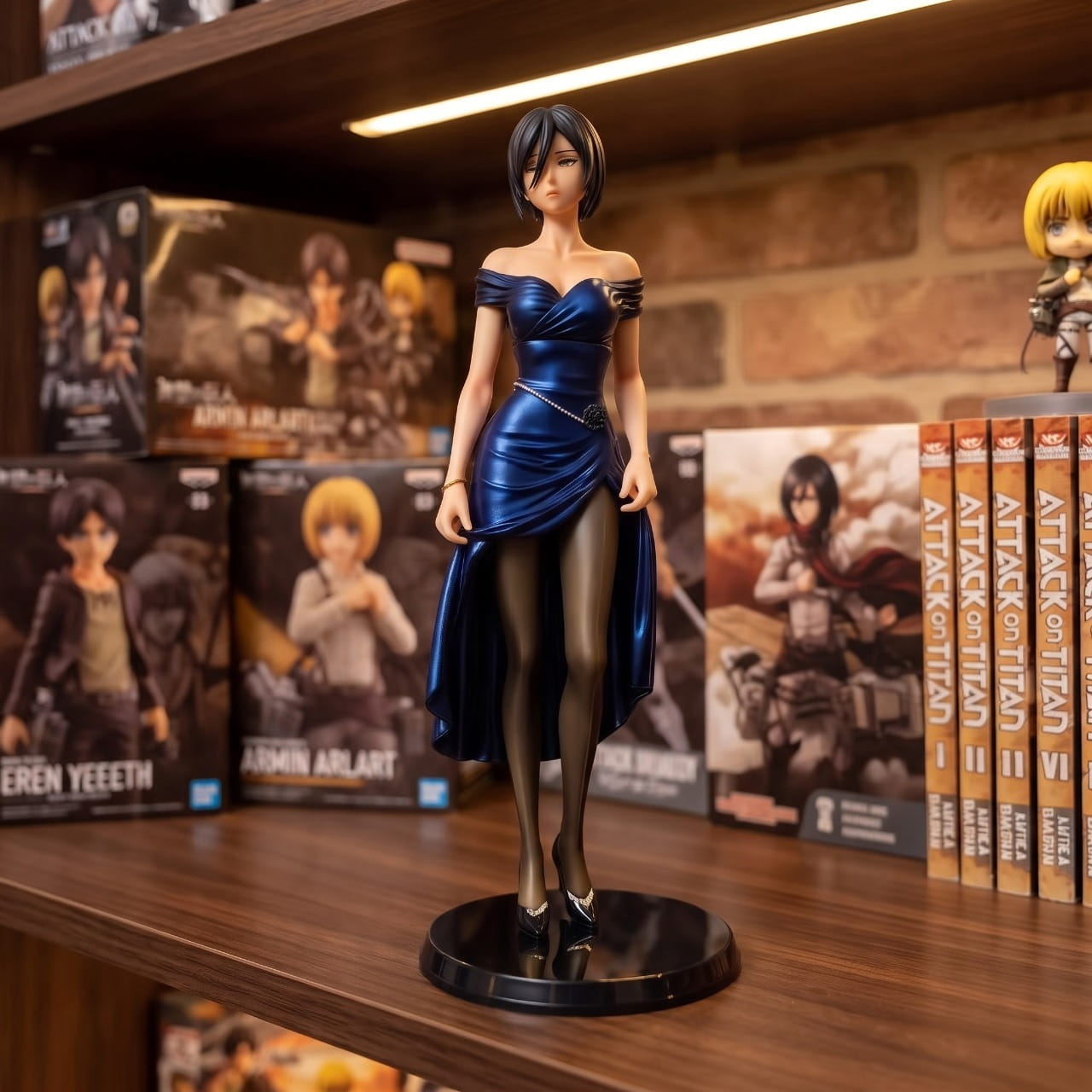
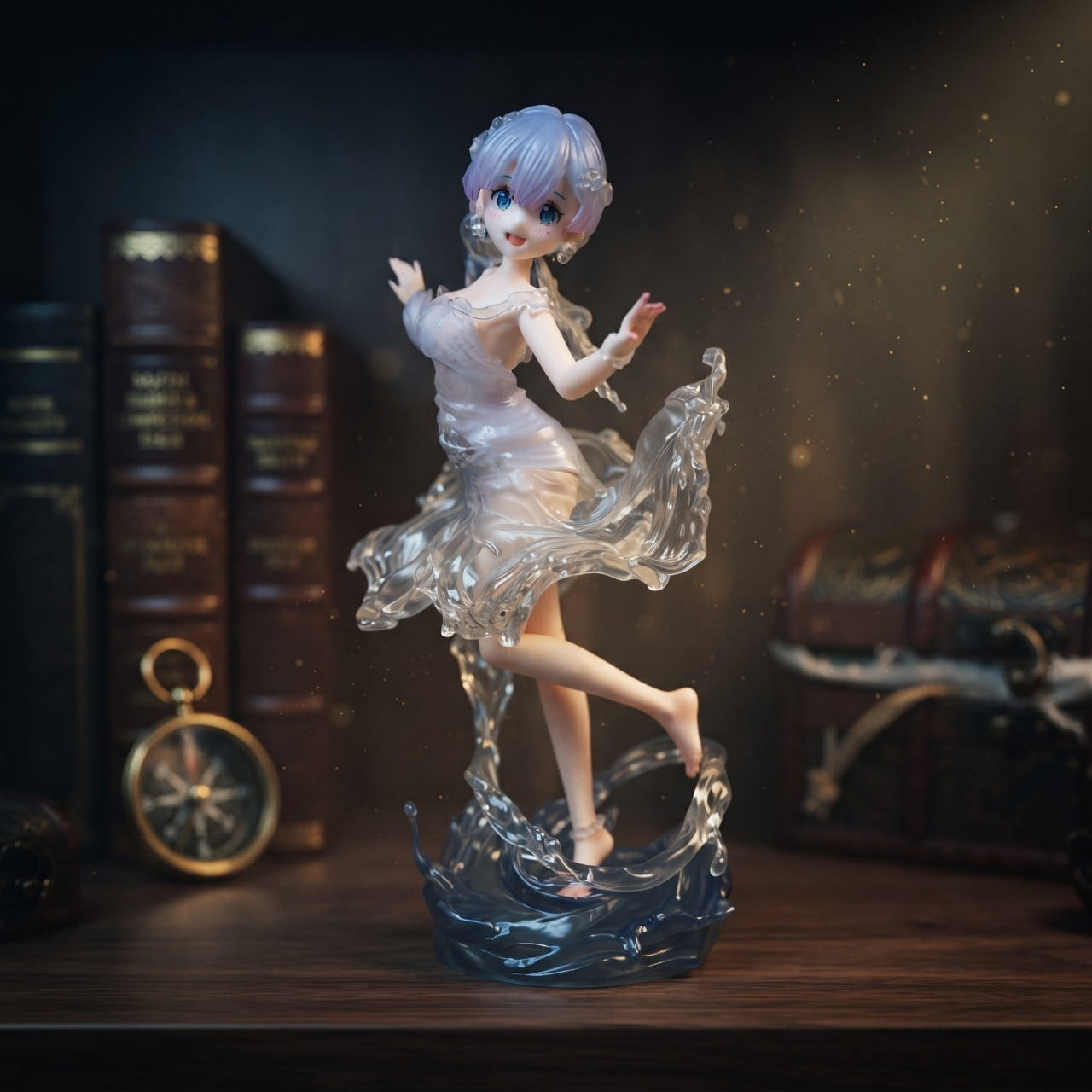
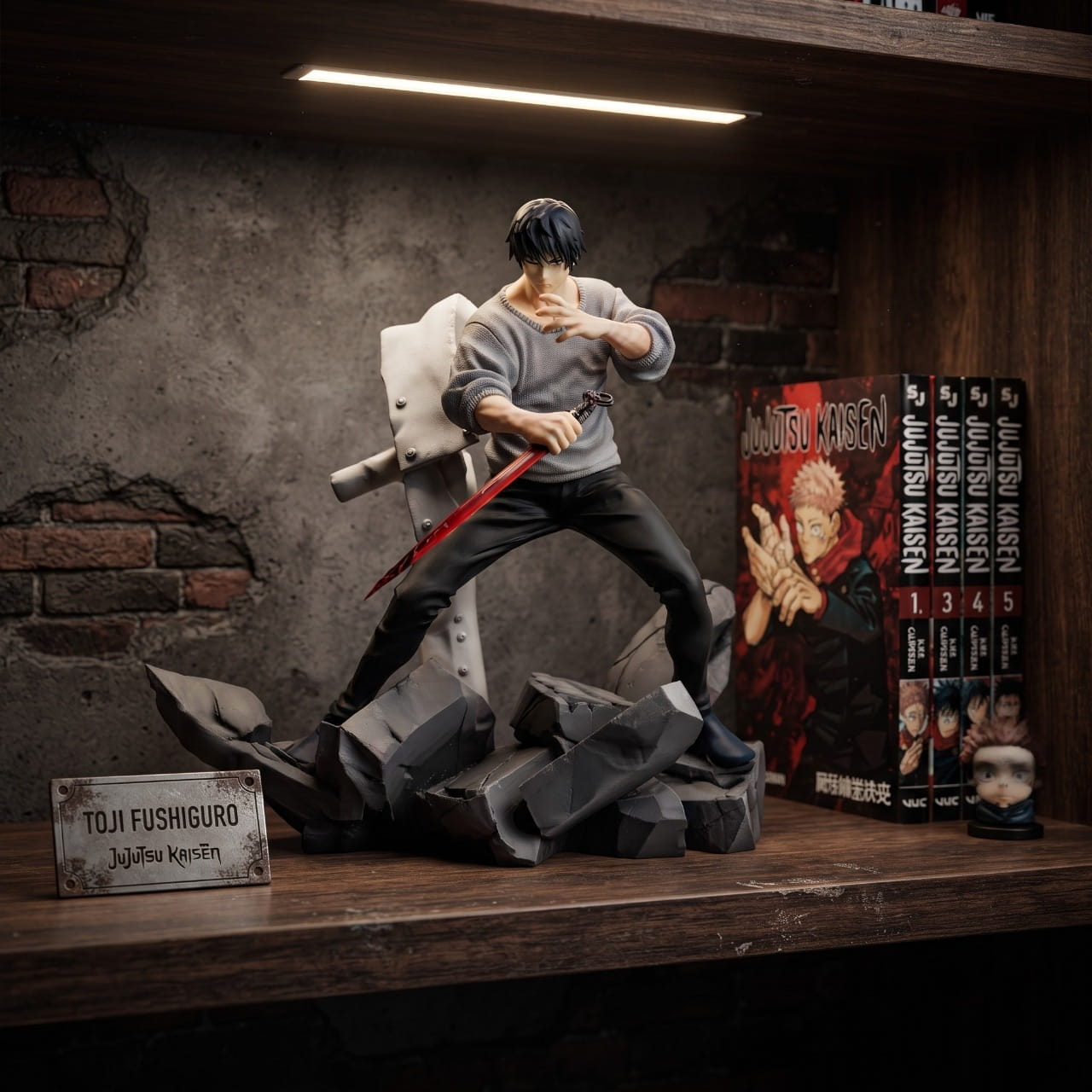

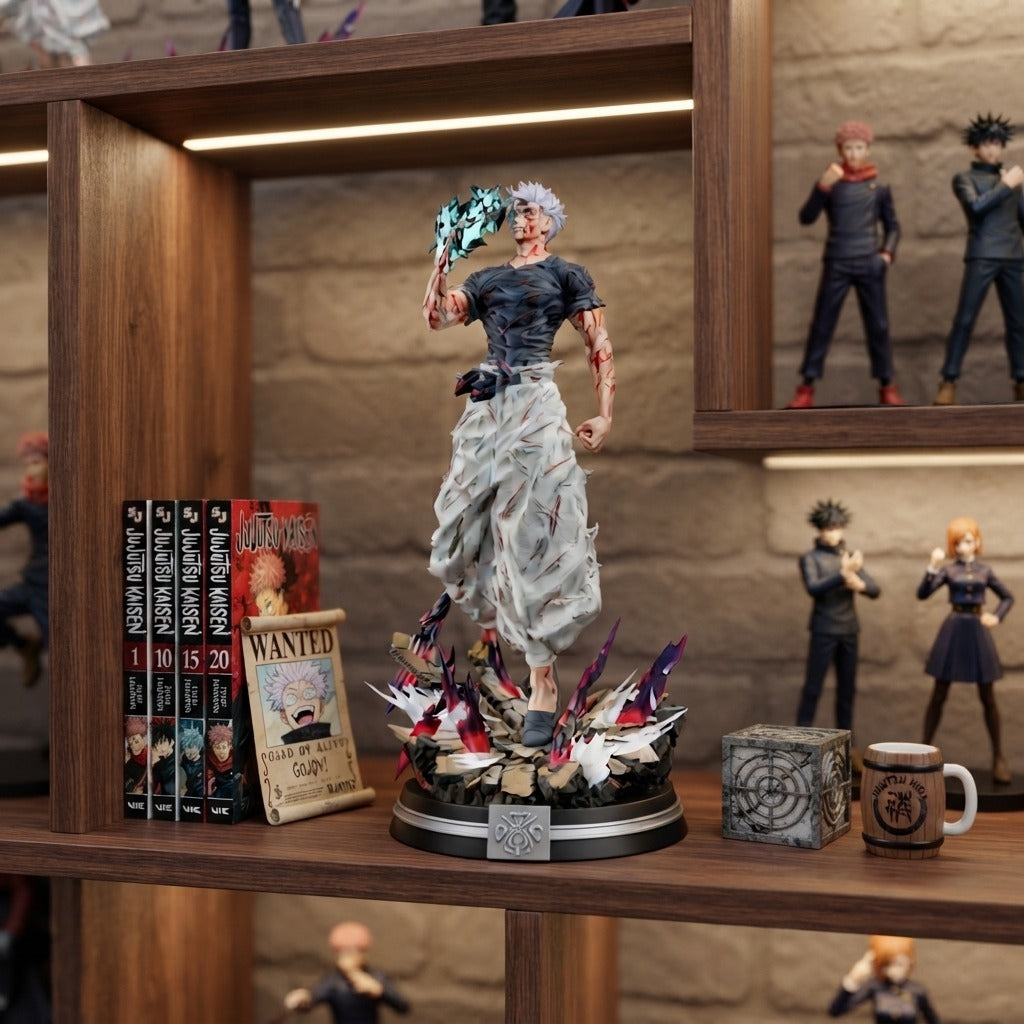
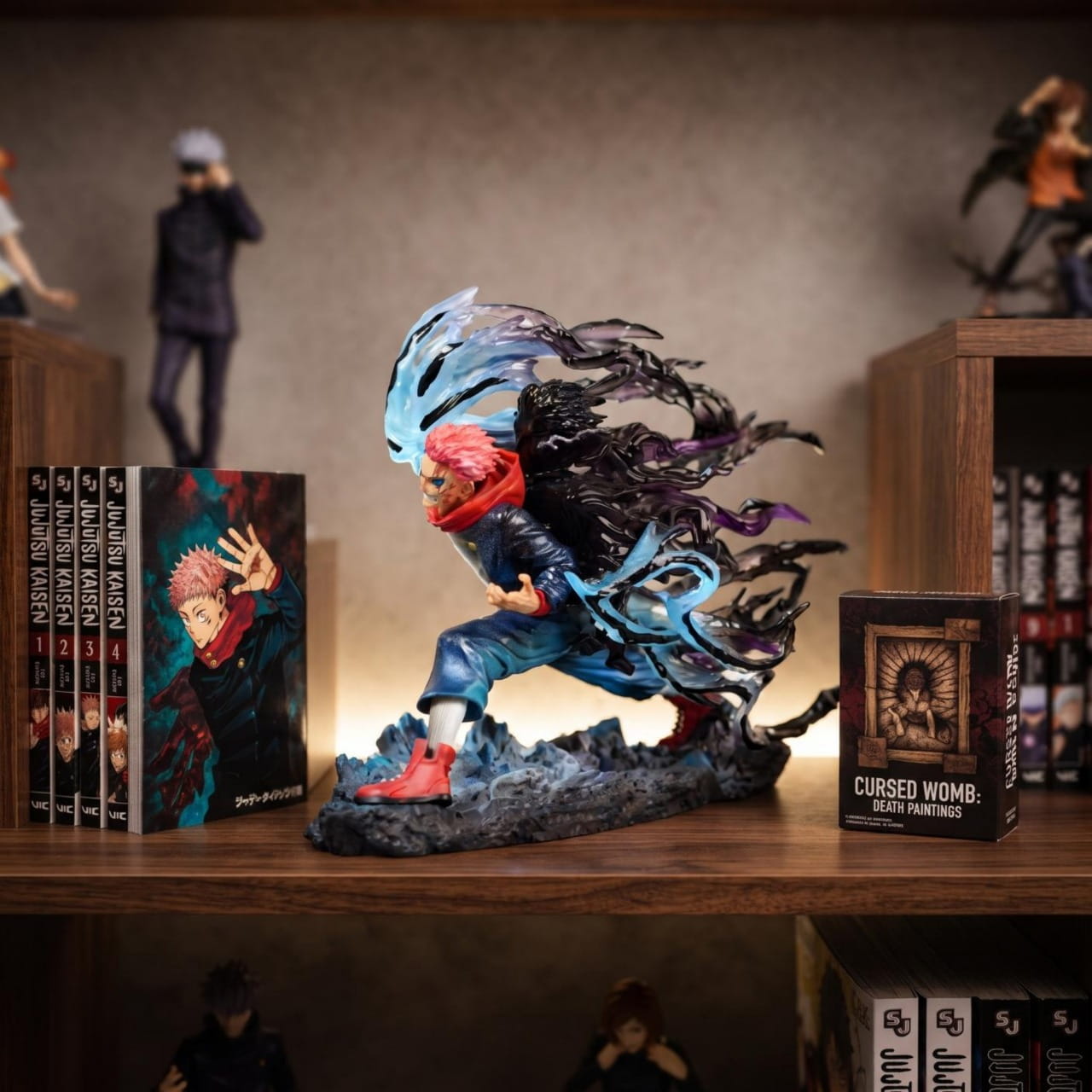
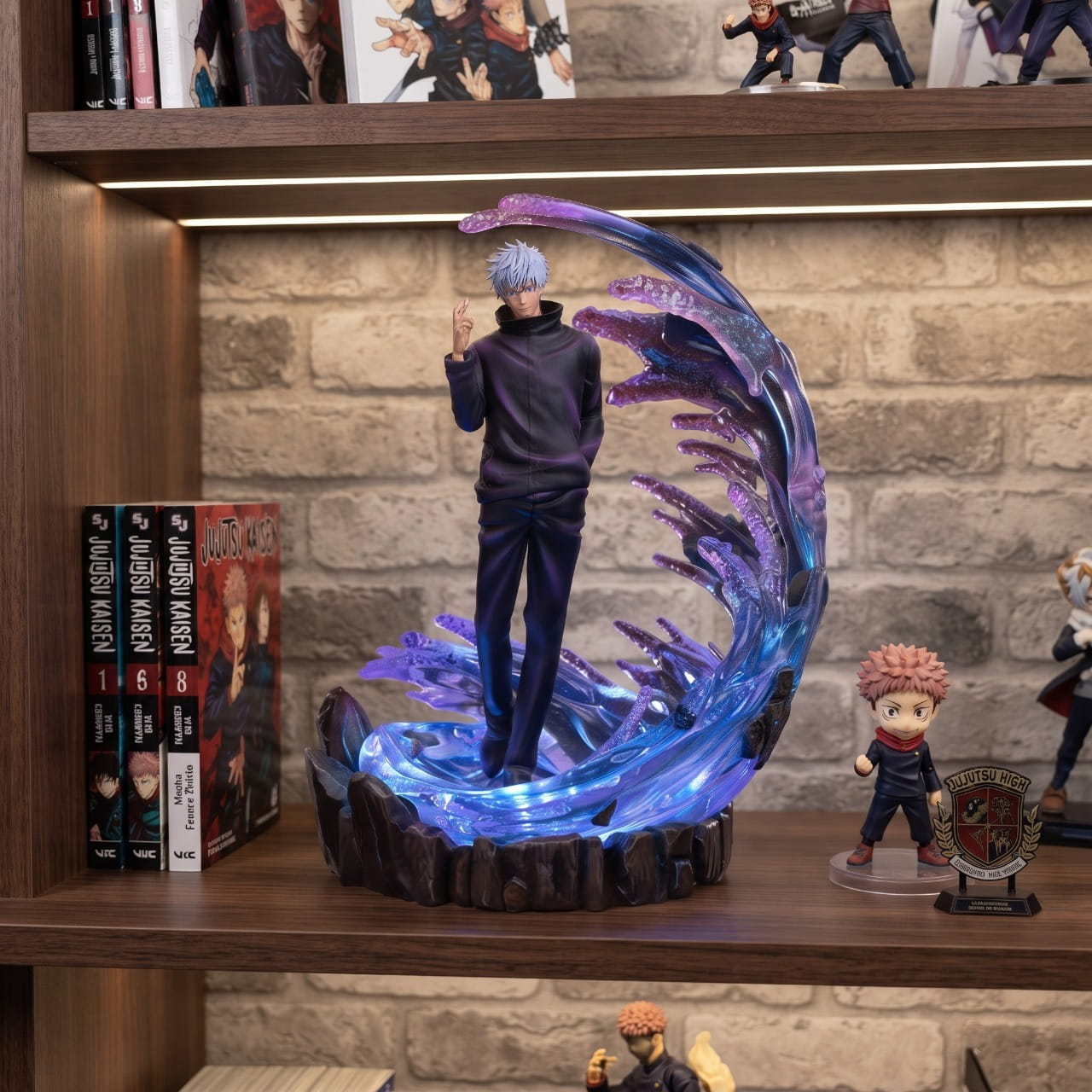
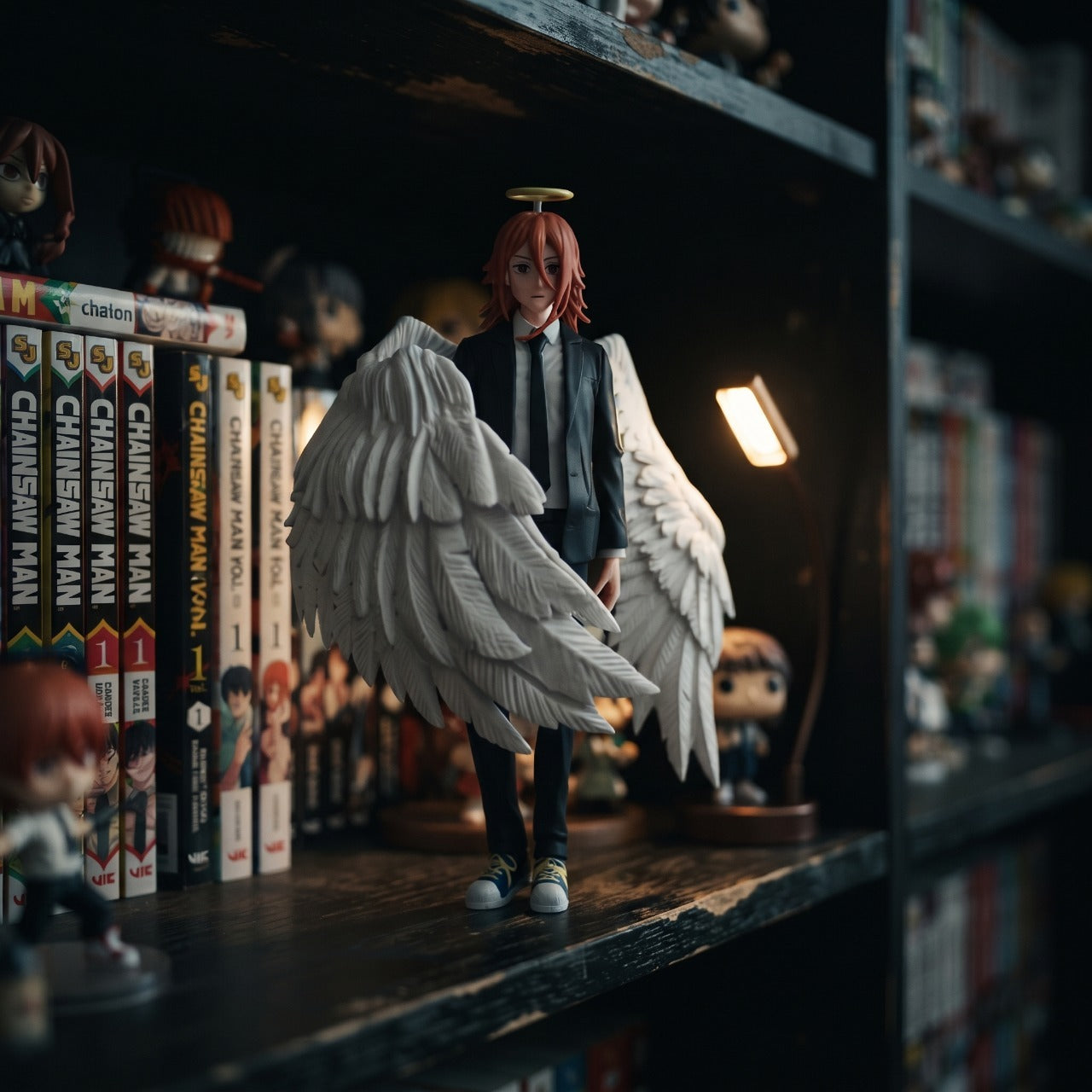
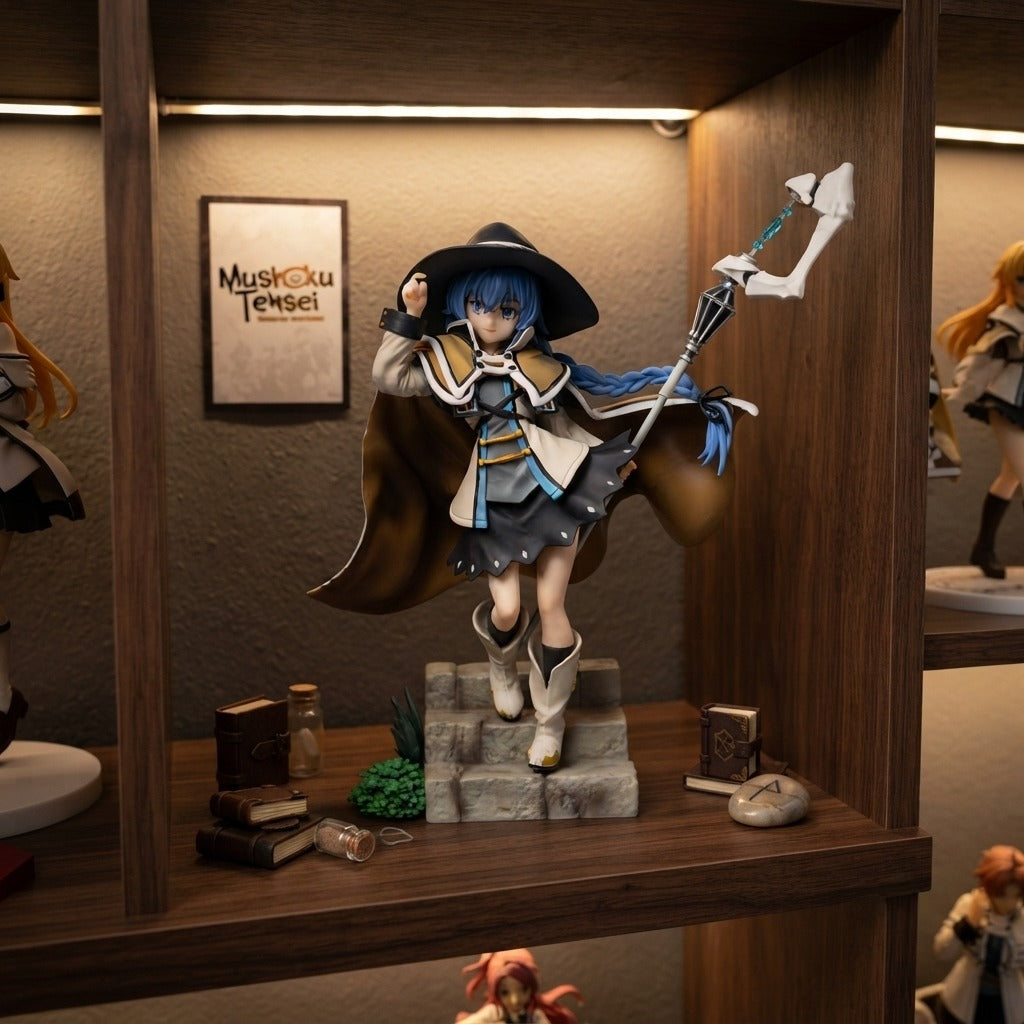
Manga Figures — learn more
This section brings together 441 figures spread across 17 universes, ranging from a size that fits on the corner of a desk to a statue that takes up an entire display case. Ranging from €18.90 to €449.90, with a median of €104.90.
How this section is organized
Three possible entry points, and they do not lead to the same place. By license, if you already know which series you are interested in — each universe has its own collection. By format, if it's the available space that dictates your choice. By style, if you are looking for realism or, conversely, chibi.
This page brings everything together; the collections by license below break down the catalog.
The 17 universes in the section
- One Piece (114 pieces)
- Dragon Ball (90 pieces)
- Naruto (59 pieces)
- Demon Slayer (44 pieces)
- My Hero Academia (23 pieces)
- Jujutsu Kaisen (22 pieces)
- Bleach (14 pieces)
- Hunter x Hunter (13 pieces)
- Chainsaw Man (13 pieces)
- Attack on Titan (8 pieces)
- Solo Leveling (8 pieces)
- Berserk (7 pieces)
- Mushoku Tensei (6 pieces)
- Tokyo Ghoul (5 pieces)
- Haikyu!! (5 pieces)
- Frieren (5 pieces)
- other licenses (5 pieces)
The licenses with fewer items are those where the existing supply is thin, not by editorial choice. When a series releases a good piece, it joins the section.
Choose a format before choosing a character
This is the order that avoids disappointment. A 10 cm figure and a 40 cm one do not tell the same story and do not go in the same place.
- 10 to 15 cm — the desk format. Fits between two books, is easy to move, and can be collected in series without overcrowding the shelf.
- 18 to 25 cm — the standard format. Large enough for the sculpt to be readable, compact enough to fit on a standard shelf.
- 28 to 35 cm — the focal point. One per piece of furniture, not three.
- 40 cm and up — the statue. It requires its own space and a background that doesn't compete with it.
Each product page announces the total height, including the base. Beware of photos: tight cropping on a neutral background gives the illusion of a large format.
What "PVC" means, in practical terms
Almost all of these pieces are made of painted PVC, sometimes with ABS resin elements for delicate parts. This is the standard material for collectible figures: it holds detail well in the sculpt, accepts paint, and doesn't break at the first bump like solid resin would.
What this implies: a PVC piece can deform in heat. A figure left behind a south-facing window in the summer might see a lock of hair or a thin cape sag. It is reversible with care, but it is better not to let it get to that point.
The prices, and why they range from €18.90 to €449.90
The price gap is not random. The main factors are: height, first — the volume of material and the difficulty of molding increase quickly. Then the number of pieces assembled and the complexity of the base: a diorama with transparent energy effects costs several times more than a figure on a flat base. Finally, the fineness of the painting, which is seen mostly on faces and gradients.
At €30, you are buying a good, simple sculpt. At €150, a display-case piece. Between the two, it is a question of what you want to look at every day.
What you will find in this section
Main characters, and many others. Luffy, Zoro, Sanji and the crew; Goku, Vegeta, Broly and Frieza; Naruto, Sasuke, Itachi and the Akatsuki; Tanjiro, Nezuko and the Hashira; Gojo, Sukuna, Toji; Ichigo and the captains. But also supporting characters that only avid readers will recognize.
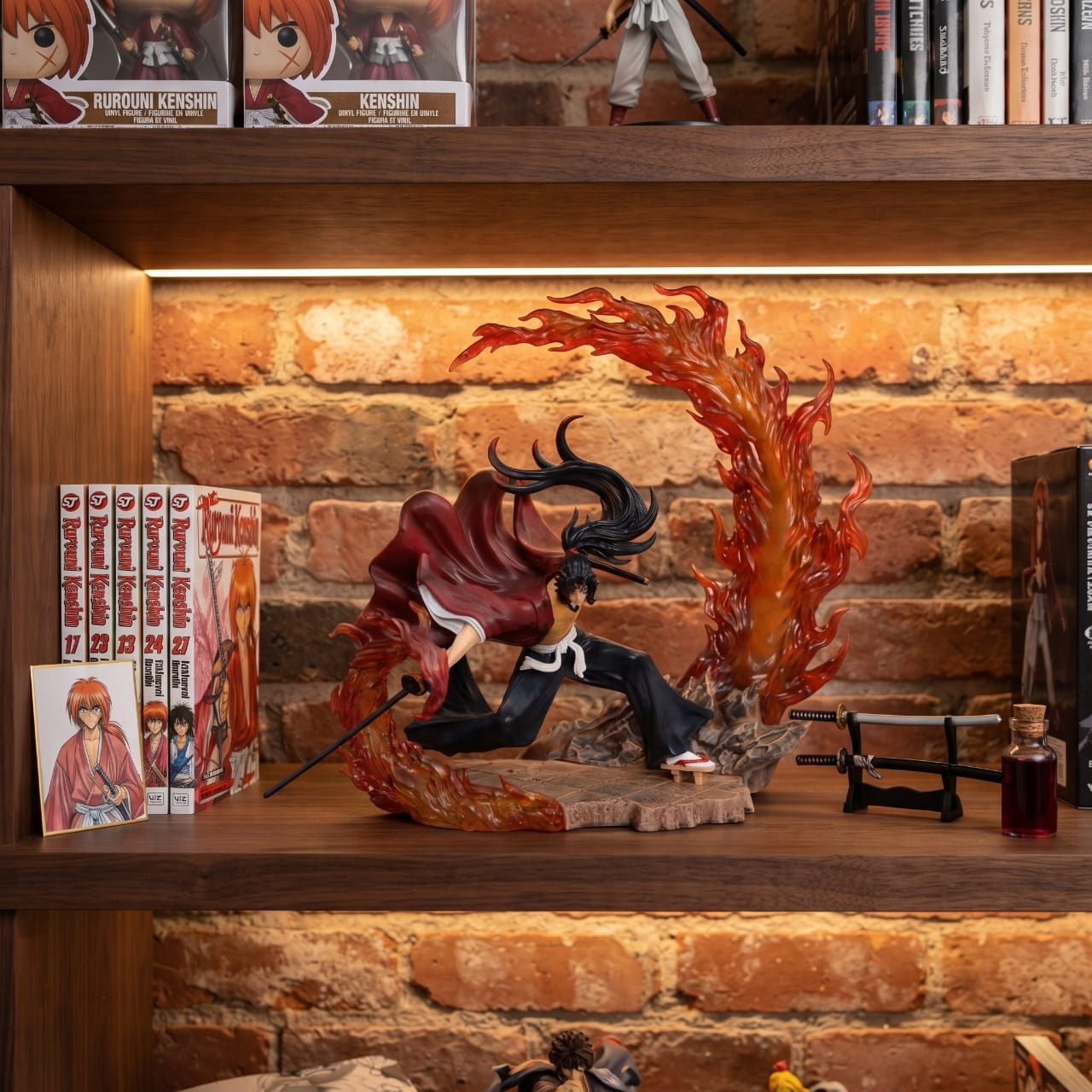
Scenes, not just poses. Part of the section is composed of dioramas: two characters in combat, scenery under their feet, an rising energy effect. These are the most expensive and most spectacular pieces.
Lamps and nightlights that remain, for us, figures: they are sculptures that are lit, not light fixtures.
Displaying and maintaining
Three rules, and the first accounts for nine-tenths of the result.
No direct sunlight. UV rays cause paint to fade and soften the PVC. A south-facing display case is the worst possible place, even behind glass.
A soft brush rather than a cloth. Dust settles into crevices; a cloth pushes it deep down and scratches glossy surfaces. A clean makeup brush does the job better.
Never use household cleaning products. Alcohol and cleaners attack the varnish. Use barely soapy water on a cotton swab for stubborn stains, and nothing else.
Our stands and display cases are designed for this: elevating, lighting, and keeping pieces safe from dust.
Frequently asked questions
Do the figures come with their box?
Every product page specifies this.
Part of the catalog is delivered without a box, in protective packaging: this does not take anything away from the piece, but if the original packaging matters to you, check the
"Conditioning" line.
Is there any assembly required?
Most pieces arrive assembled.
Some require snapping the figure onto its base or attaching a separate effect — it is indicated
on the page, and requires no tools or glue.
How do I know if a piece is big?
The height is always in the
title and the specifications. This is the only reliable guide: studio photos provide no scale.
What is the difference from chibi?
The style. A chibi assumes distorted
proportions — big head, small body. This section collects realistic proportions.
Both look great together on the same shelf, provided you group them.
To explore further: our posters and wall scrolls to decorate the wall above, our manga phone cases to carry the universe with you, and our guide to displaying and maintaining your collection for details on maintenance.